

Guide for Austria Visa Requirements

Austria Visa

Do You Need a Visa for Austria?

This is a great question; the answer depends on several factors, including your country of citizenship and the duration of your stay. This comprehensive guide gives you all the information you need to obtain a Schengen Visa for Austria. At Luma, we’re here to give you peace of mind every step of your journey to Austria.

Applying for Schengen Visa to Austria

The application process is straightforward; you must apply for the Austria-Schengen visa at the embassy or consulate in your home country. There are several documentary requirements.

Visiting Austria on a Schengen Visa

When you arrive at the Austrian port of entry, it’s important to have certain travel and identification documents ready to show the Austrian border officer, so it’s best to be well prepared. This includes:

  • A valid passport or travel document: Ensure your passport was issued within the last 10 years and is valid for at least 3 months after your departure date.


  • A visa (if applicable): If you are subject to an Austrian visa requirement, ensure you have obtained the necessary visa before your trip and can provide the supporting documentation.

💡 Travel tip: you must book an appointment at the Austrian embassy or consulate in your country to make the visa application (or another Schengen country if you will spend more time there). The consular appointment may take up to 30 days to be confirmed, so preparing well in advance is advisable.
Austria Schengen Visa

Who needs a Schengen Visa to enter Austria?

If you plan to take a short trip to Austria, it’s important to know that there are certain circumstances in which you’ll need to obtain a visa. This is due to the standard visa rules of the Schengen zone, which Austria is a part of. Depending on your nationality, a Schengen visa may be required.

The European Commission has provided a comprehensive official list, short-stay calculator and user guide to help you check the Schengen visa requirements for Austria before your travel.

How do I apply for a Schengen Visa to Austria?

Applications for the Austria-Schengen visa can be made at the embassy or consulate in your home country or country of residence.

When applying for Schengen visas, it is crucial to note that the visa must be issued by the representation office of the country where your primary travel destination within the Schengen area, such as Austria, is situated.

If you plan to spend equal time in multiple countries (e.g. during a tour), the representation office is that of the country where the main travel destination resides, based on the length and purpose of the trip. If a primary destination cannot be determined, the member country of your first entry into the Schengen area will be responsible for visa issuance.

The Federal Ministry of European and International Affairs (BMEIA) Austria visa website offers an exhaustive list of representation offices, catering to individuals obtaining Schengen visas for Austria

What are the Austria Visa requirements for a work, business or student visa?

Work Visa in Austria

There is no specific Schengen-Austria “work visa.” You can obtain a Schengen visa to Austria for airport transit, short and long-term stays in Austria. You are not permitted to work while holding a tourist Schengen visa.

Business Visa in Austria

The list of requirements for a long-term stay for an Austria visa is comprehensive, and you will likely need to seek the assistance of your employer and the Human Resources Team. The Austrian Government has issued detailed information on the Schengen Austria visa entry requirements.

The main requirements include but are not limited to; a completed and signed visa application form, two recent passport-sized photos, a valid passport, a round trip reservation or itinerary, travel insurance coverage of at least EUR30,000, proof of accommodation, proof of financial means, proof of paid visa fee, a cover letter explaining the purpose of the visit, a profile of your workplace and other documents.

Type D visas typically allow holders to reside for 91 days to six months, but exceptions may apply. A type D visa may be valid for up to 12 months based on international agreements or less than 91 days in the case of visa extensions in Austria. If a Schengen country issues a type D visa, it allows for free travel within Schengen territories for up to 90 days within 180 days, provided the entry requirements of Article 6(1)(a), (c), and (e) of the Schengen Borders Code for the Austria visa are met, and the holder is not under other alerts of the relevant member country. Only Austrian representations abroad can issue type D Austria visas.

If another Schengen country represents Austria in a specific location, only Schengen visas are issued there. If you need a type D visa, the relevant Austrian visa representation (BMEIA) must be visited in a neighbouring country.

💡 Travel tip: The company letter you provide must be from an Austrian citizen and state that the company will cover all expenses during your stay in Austria. Include a photocopy of the company’s registration certificate (Firmenbuchauszug).

Student Visa in Austria

To summarise the requirements for a Student Schengen Visa:

  • The applicant must be a third-country national from a country without a visa-free agreement with Schengen Area member states. The Austria Schengen visa type depends on study duration.
  • Required documents include two completed visa application forms, two identical photos, a valid passport, a copy of the passport’s biometric data, proof of residency in the applicant’s country of origin, roundtrip reservation or itinerary, travel medical insurance. We recommend the Luma Schengen Pass travel insurance that comprehensively covers all the requirements for travel to Austria), proof of accommodation, letter of acceptance at a European university/college/school, proof of academic qualifications, proof of financial means, and proof of paid visa fee. Additional requirements may apply.

What steps do you follow when applying for an Austria-Schengen Visa?

Here’s a checklist of documents you’ll need for your tourist visa application as per the Austria Schengen Visa requirements:

  • Austrian visa application form: this must be completed accurately and signed at the end of page 3.
  • Two identical photos of a recent full-face photo against a light background (portrait format, 35 x 45mm). These must not be damaged or stapled in any way and meet the Schengen visa for Austria photo criteria.
  • Your passport/Travel document:
    • Valid for at least three months beyond your planned departure date from Austria (the Schengen zone).
    • No older than 10 years.
    • It should contain at least 2 blank pages.
  • Copies of your previous Schengen visas (if applicable).
  • Schengen Travel Insurance: presentation of a fully comprehensive travel health insurance policy for the planned duration of the stay (amount of cover: EUR30,000 and valid for the entire Schengen area). We recommend the Luma Schengen Pass travel insurance, which covers all Austria and Schengen area travellers’ insurance requirements.
  • A cover letter: This requires you to state the purpose of your visit to Austria and present a detailed trip itinerary. This cover letter should contain the following:
    • The purpose of your travel to the Schengen member state(s).
    • Proof of how you will fund your trip, whether through your funds or a sponsor.
    • Sponsor details.
    • Itinerary overview.
    • Explanation of any missing documents and the reasons.
    • Proof of intent to return to your home country.
  • Round-trip Flight Itinerary: This should contain the dates and flight numbers specifying entry and exit from Austria.
  • Proof of accommodation: Proof of hotel reservation for the intended stay in Austria. This document must show that you have a place to stay during your trip to the Schengen Area, whether it’s a hotel booking, a letter from a family member or friend, or a rental agreement for a short-term home rental. The documents you’ll need for proof of accommodation can include:
    • Evidence of a place to stay, such as a hotel reservation.
    • Evidence of sponsorship or an invitation from your host.
    • Evidence of a prepaid tour.
  • Proof of civil status: This could be a marriage certificate, children’s birth certificate, etc.
  • Proof of sufficient financial means. You must show sufficient funds to support yourself during your visit. For Austria, the specific amount of funds required for a Schengen visa is determined case by case. Having at least EUR100 per day is generally recommended, as that is the average amount tourists spend in Austria. There are several ways to prove your financial sufficiency for a Schengen visa, including bank statements, credit cards, cash, pay slips, etc.

💡 Travel tip: It may seem rigid to have a fully planned itinerary or schedule, but it is a necessary requirement to obtain your Austria Schengen Visa. Although you may not strictly follow this itinerary during your actual trip, it is essential to have it for visa purposes. Avoid mentioning train or flight journeys between cities unless you have booked a ticket to validate your itinerary. Instead, mention private cab as the mode of transportation between places. Having copies of all your documentation is also recommended.

austria visa fee

Where do I apply for an Austria-Schengen Visa?

Before leaving your home country, you must apply at the Austrian embassy or consulate, visa application centre or relevant embassy or consulate representing the country where you will spend most of your stay in the Schengen area.


Is travel insurance mandatory for Austria?

Yes, both travel and medical insurance are mandatory when you visit Austria.

To apply for a Schengen Visa, it’s important to have travel and medical insurance valid for all 27 countries in the Schengen Area. This insurance should cover accidents and illnesses, with a minimum coverage of EUR30,000, even for countries you don’t plan to visit. This ensures adequate protection throughout your trip for any illnesses and accidents.

The Luma Schengen Pass travel insurance comprehensively covers all the requirements for travel to Austria – we’ve got you covered!

Here are some reasons why you should consider choosing Luma for your Schengen travel insurance needs:

  • Extensive coverage: With coverage starting at EUR30,000 Luma offers comprehensive protection throughout your trip, giving you peace of mind as you explore Europe.
  • Flexible options: Whether you’re planning an individual trip or multiple trips within a year, Luma Schengen Pass Travel Insurance has got you covered.
  • Wide range of eligibility: Luma is designed to accommodate travellers of various age groups, from 1 year old to 85 years old.
  • Perfect for South East Asian travellers: If you’re departing from South East Asia, Luma Schengen Pass Travel Insurance is specifically tailored to meet your needs.

But that’s not all! Here are some additional benefits you can enjoy with Luma:

  • Easy application process: Applying for Luma insurance is a breeze – simply do it online and receive your insurance certificate via email.
  • Trustworthy and reliable: Join over 60,000 fellow travellers who have placed their trust in Luma. With a proven track record, Luma is a name you can rely on.
  • Globally recognized: Luma insurance is widely accepted by embassies around the world, making your visa application process smoother and hassle-free.

So why compromise on your travel insurance? Choose Luma Schengen Pass Travel Insurance and experience the peace of mind you deserve while exploring Europe.

austria visa requirements

💡 Travel tip: No travel health notices are currently in place for Austria, but you may want to review the recommended vaccines for travel to Austria before you go.

How long does it take to get an Austria-Schengen Visa?

Receiving your visa can take around 15-45 days or even longer due to several factors, including the mode of application, the need for an interview, application volume, and additional document requests. To minimise delays, submit your application as early as possible, ideally at least 8 weeks before your planned travel date.

Can I extend My Schengen Visa during my stay in Austria?

If you need a visa extension, you’ll have to prove that you can’t leave the Member States’ territory before your visa expires due to force majeure, serious personal reasons, or humanitarian grounds. Typically, you can only extend your visa if you’ve been in the Schengen area for less than 90 days over the past 180 days, and if your current visa isn’t expired. To apply for a short-stay Schengen visa extension, you will need the following documents:

  1. Passport: Your passport must contain the current visa that you used to enter the Schengen Area.
  2. Application form: Complete the application form specifically for a short-stay Schengen visa extension.
  3. One photo: Provide a passport-sized photo that meets all the required criteria and visa photo requirements.
  4. Proof of Income: Show evidence that you have sufficient financial means to support yourself during the extended period of your visa.
  5. Travel Health Insurance: Obtain travel health insurance that covers the entire Schengen Area for the duration of your requested visa extension.
  6. Supporting Documents: Provide additional documents substantiating your situation and the need for a visa extension.

Can my Austria Schengen Visa be refused?

If your Schengen visa application is refused, the Member State’s consulate will notify you using a standard form with the reasons and procedures for appeal. To appeal, you must follow the deadlines and procedures outlined in the notification. If a Member State represents another for visa issuance, the appeal process will follow the procedures of the Member State who made the final decision. You can re-apply for a visa, but it’s advisable to review and address any reasons for the earlier refusal before doing so. Note that visa fees are non-refundable and cover the cost of your application’s examination.

The main reasons for an application being rejected include:

  • Invalid Passport
  • Criminal record
  • Schengen Information System (SIS) alert
  • Incomplete Application
  • Failure to Attend Interview (if required)
  • Fraudulent application

Travel Insurance for Austria

Retiring in Thailand: Top 5 Cities To Stay In

Retirement in Thailand

The next chapter of your life beckons. And unlike all other fast-paced chapters that you have previously lived through, which includes career, parenting or business, retirement involves taking a step back and enjoying everything life has to offer. And sometimes, this could even mean moving to another country to fulfill the desire for new adventures and experiences.

Thailand is widely known as a sought-after retirement hub among retirees the world over. If this country has appeared on your radar as a possible retirement destination, here are its top five retirement locations to help convince you.

Retiring in Bangkok

If you are looking for the ultimate cosmopolitan retirement destination in Thailand, then no look further than the nation’s capital. All you can ask for in a big city can be found in Bangkok, including shopping malls, entertainment venues, contemporary and classical art museums, as well as a myriad of nightlife destinations.

The city of Bangkok also boasts futuristic infrastructure, excellent hospitals and medical services as well as highly-efficient transit systems. Made up of a number of temples, palaces and canals, Bangkok is also known as the “Venice of the East”, and is home to a population of over 9 million people, which includes a large expat community.

retiring in Huahin

Retiring in Hua Hin

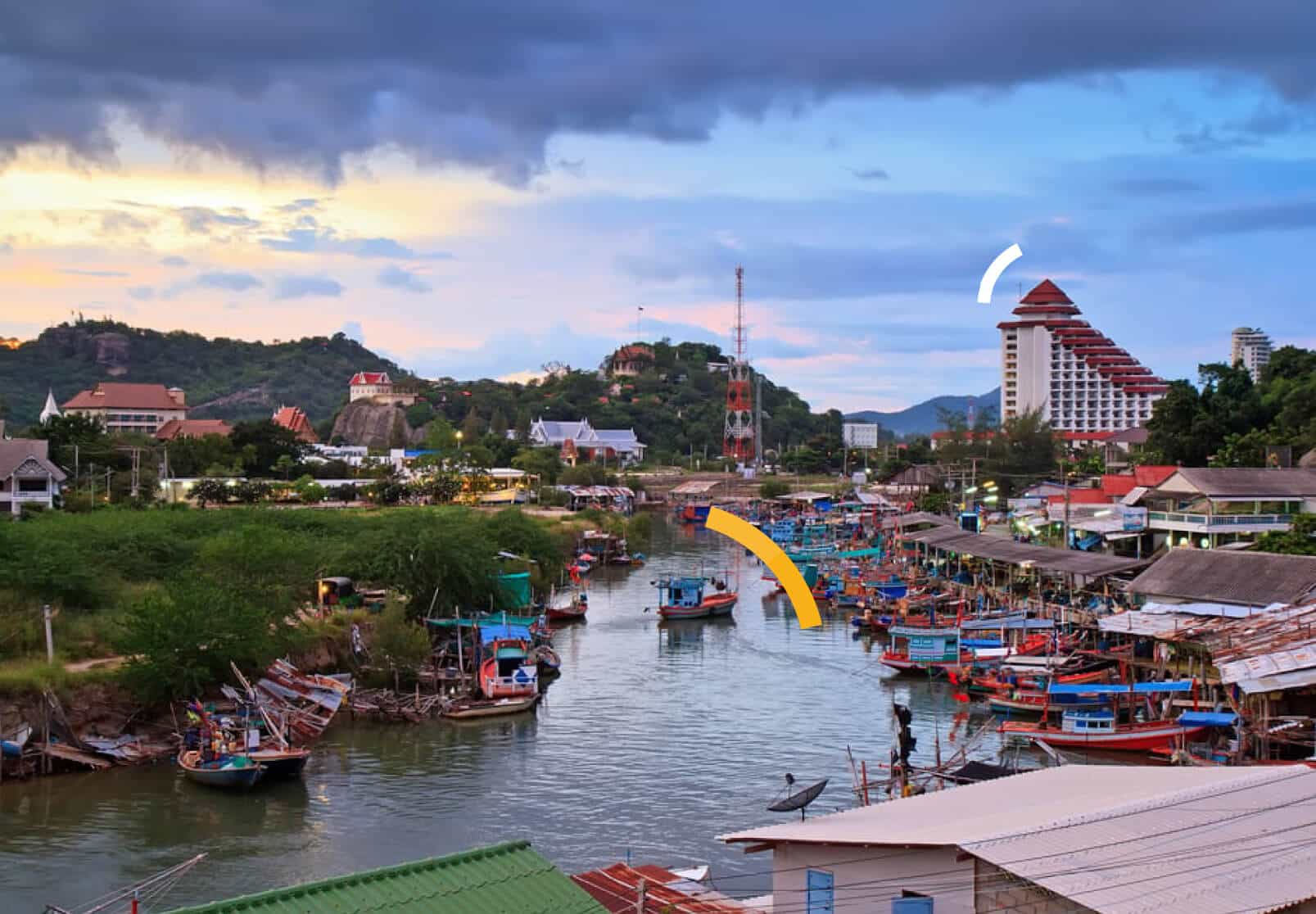
Once a fishing village, Hua Hin is essentially a combination of both modern living and relaxation, with technologically-advanced facilities, bars and beaches aplenty. It is also one of the most architecturally beautiful locations in the country, attracting even the likes of the Thai royal family for regular hunting vacations.

Additionally, it is home to some of the best golf courses in the country, such as Black Mountain Golf Club and Banyan Golf Club, which are both located in the stunning hillside of Hua Hin. In terms of beaches, some of its most popular destinations include Khao Takiab beach, Pranburi beach and the Hua Hin beach, which offer a sense of complete relaxation that complements their natural beauty. Medical-wise, the San Paulo hospital is recommended by expats as the English language is widely spoken, medical care is inexpensive, and its premises are generally clean and modern.

retiring in Krabi

Retiring in Krabi

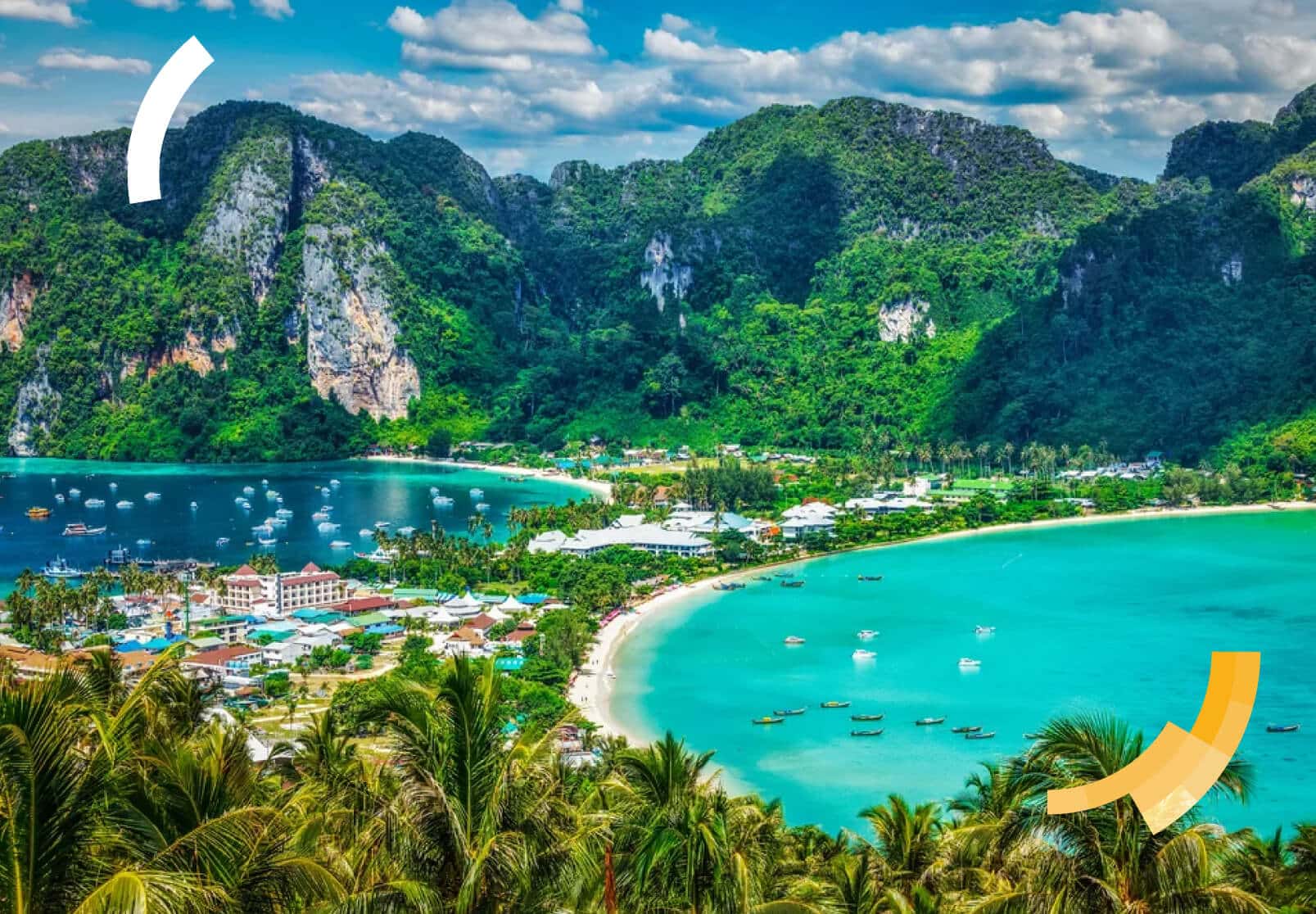
Located on the west coast of southern Thailand, Krabi is a riverside town that is situated along the banks of the Krabi River, that empties into Phang Nga Bay. If you are looking for a calm and tranquil retirement destination, Krabi is definitely the place for you. This is because it not only boasts an inexpensive cost of living, but a low crime rate as well.

But what really sets Krabi apart from all other retirement destinations in Thailand is its closeness to nearby hot springs, sea caves, coral reefs, exotic marine life and limestone cliffs, which offer a multitude of options for enjoying Krabi’s natural beauty. A couple of Thailand’s national parks, Koh Phi Phi and Koh Lanta, are also easily accessible, while its beaches are a matter of minutes apart. Ao Nang beach is more vibrant in nature, with guesthouses, hotels, bars, and restaurants lining its seaside, while Nopparat Thara, which is also part of the national park that includes the Phi Phi Islands, offers a quiet and shady beach option.

retiring in Chiangmai

Retiring in Chiang Mai

Apart from being the spiritual epicenter of Thailand, Chiang Mai is also a popular retirement destination because it is also an adventure hub. This is made possible through its mountainous terrain that is naturally suited for activities such as whitewater rafting, kayaking, mountain biking and jungle trekking. On the other end of the spectrum, Chiang Mai is also home to some of the best street food, notably its Sunday street market which offers a wide range of mouth-watering delights.

Chiang Mai boasts a number of great places to dine and drink, including a few major nightlife attractions. During the day, you can visit museums, shopping centers, or one of 300 Buddhist temples. With excellent healthcare options at top-tier hospitals, Chiang Mai is a popular retirement destination for expats from around the world

retiring in thailand places

No matter your fancy, take comfort in knowing that Thailand has it all. From natural beauty and endless beaches, to vibrant cities and quiet riverside towns, Thailand is a prime retirement destination for both families and singles alike, at a much lower cost of living.

Health Insurance for Retirement Visa in Thailand

Retire in Thailand | 5 Things You Need to Know Before

In many ways, Thailand is the ideal location for the retiree seeking a new chapter in their life. The tropical holiday destination is a relaxed, enjoyable and affordable option for settling down. Friendly people, warm weather all year round, plenty of sightseeing opportunities, and every modern convenience await you in the Land of Smiles.

Still, when preparing for such a significant move, there are plenty of details to attend to – including beyond the obvious questions of choosing a specific location and type of accommodation. Is it practical to seek retirement in Thailand? Is it safe, and is good medical care available? Are there activities to participate in, and other retired expats to mingle with?

We’ve put together this short guide to answer the crucial considerations for retirement in Thailand, taking the main issues one at a time so you’ll know what to expect step by step.

Retire in Thailand
retiring in Thailand

Retirement Visa for Thailand

Thailand is a popular retirement destination for a never ending list of reasons. It offers a warm climate, affordable cost of living, and a rich culture. If you are considering retiring to Thailand, you will need to obtain a retirement visa. The process of applying for a retirement visa can be complex, so it is advisable to consult with an immigration lawyer. However, with careful planning, it is possible to obtain a retirement visa and enjoy a happy and fulfilling retirement in Thailand.

There are two main types of retirement visas for Thailand: O-A (1 year) Retirement Visa and O-X (5 years) Retirement Visa. The best type of visa for you will depend on your individual circumstances and financial resources.

Visa requirements for a retirement O-A Thai visa:

  • Be at least 50 years old at the time of application.
  • Have a valid passport with at least six months of validity remaining.
  • Have a medical certificate from a licensed doctor stating that you are in good health and free of any contagious diseases.
  • Have a minimum income of THB 65,000 ($1,800 USD Approx.) per month or a deposit of THB 800,000 ($22,000 USD Approx.)  in a Thai bank account.
  • You must have no criminal history record. This criminal record check must be from your home country or country of residence.

The health insurance requirements for a retirement O-A Thai visa

  • The policy must cover the entire period of your stay in Thailand.
  • You must have a health insurance with minimum coverage of THB 3,000,000 ($100,000 USD Approx.) including treatment for COVID-19 treatment.
  • Your policy must cover both inpatient and outpatient care.
  • The policy must be issued by a reputable insurance company that is licensed to operate in Thailand. 

Please note that visa requirements for O-A Visa are subject to frequent changes. For the most up-to-date and accurate information, it is recommended to check the official Thai Embassy of your country before proceeding with your visa application.

Visa requirements for a retirement O-X Thai visa:

  • Be at least 50 years old at the time of application.
  • Have a valid passport with at least six months of validity remaining.
  • Have a medical certificate from a licensed doctor stating that you are in good health and free of any contagious diseases.
  •  outpatients, including coverage for COVID-19 treatment.
  • Have a minimum income of THB 80,000 ($2,200 USD Approx.) per month or a deposit of THB 1 million ($27,500 USD Approx.) in a Thai bank account.
  • You must have no criminal history record. This criminal record check must be from your home country or country of residence.

The health insurance requirements for a retirement O-X Thai

  • The policy must cover the entire period of your stay in Thailand.
  • The Health Insurance plan must have a minimum coverage of THB 400,000 ($11,000 USD Approx.) for inpatients and THB 40,000 ($1,100 USD Approx.) for outpatients.
  • Your policy must include coverage of COVID-19 treatment.
  • The policy must be issued by a reputable insurance company that is licensed to operate in Thailand. 

Please note that visa requirements for O-X Visa are subject to frequent changes. For the most up-to-date and accurate information, it is recommended to check the official Thai Embassy of your country before proceeding with your visa application.

Aside from the retirement visa, there are two other types of long-stay visas in Thailand: the Thailand Elite Visa and the LTR Visa (Long Term Resident Visa).

Thailand Elite Visa requirements:

The Thailand Elite Visa is a premium visa that offers a range of benefits, including:

  • Multiple-entry visa with a validity of 5, 10, or 20 years
  • Priority immigration processing
  • Access to exclusive airport lounges and fast-track immigration lanes
  • Discounts on travel, accommodation, and other services
  • The ability to own a property in Thailand
  • Health insurance coverage with a minimum coverage of THB 3,000,000 for COVID-19 treatment

The Thailand Elite Visa is available to applicants of all ages and nationalities. However, it is a relatively expensive visa, with fees starting at THB 500,000 (approximately US$15,000).

LTR Visa (Long Term Resident Visa) requirements:

The LTR Visa is a visa for foreigners who wish to reside in Thailand for a long period of time, but who do not qualify for the retirement visa. The LTR Visa is valid for five years and can be renewed once.

To qualify for the LTR Visa, applicants must meet one of the following criteria:

  • Invest at least THB 500,000 (approximately US$15,000) in Thai government bonds or Thai real estate
  • Have a Thai spouse or child
  • Be a high-skilled worker or investor
  • Be over the age of 50 and have a monthly income of at least THB 80,000 (approximately US$2,500)
  • Have health insurance coverage with a minimum coverage of THB 3,000,000 for COVID-19 treatment

The LTR Visa is a more affordable option than the Thailand Elite Visa, with fees starting at THB 5,000 (approximately US$150).

Please keep in mind these are the basic requirements and the actual application process may require additional documents. Please always be sure to check with the official Thai Embassy of your country before proceeding with your visa application.

Re-entry Permits and 90-day Report for Retirement Visas

Thailand offers two types of re-entry permits: single and multiple. A single re-entry permit allows you to leave and re-enter the country once on your retirement visa. A multiple re-entry permit allows you to leave and re-enter Thailand multiple times on the same visa, up to the expiration date of your retirement visa.

Which Re-Entry Permit is right for you when Retiring in Thailand?

Thailand offers two types of re-entry permits: single and multiple. A single re-entry permit allows you to leave and return to Thailand once on the same visa, while a multiple re-entry permit allows you to leave and return multiple times on the same visa, until the visa expires.

90-day Reports

If you are retiring in Thailand you will need to do a 90 Day report. You are required to report to a Thai immigration office regarding your current address in Thailand. This helps Thai Immigration keep track of your visa and latest address.  To submit a 90-day report, you must go to a Thai immigration office and submit the following documents:

  • Your passport
  • A completed TM.47 form
  • A copy of your visa
  • A copy of your departure card (TM.6)

Alternatively, you can submit your 90-day report through the online Royal Thai Police website. Be sure to check with your immigration lawyer for your specific case.

Healthcare in Thailand 

Let’s face it – health insurance is an especially important issue for people of retirement age. In some countries, regular healthcare can be prohibitively expensive for people past middle age, particularly those with pre-existing conditions.

Fear not. Thailand’s private hospitals are generally of excellent quality, and affordable insurance is available to people of all ages. Thailand’s sizeable expat population has led to an impressive collection of health insurers and hospitals that specialise in providing exceptional service to foreigners. This means there are a variety of medical insurance plans to choose from so you can find exactly the right one for you.

Known widely as a prime destination for medical tourism, Thailand offers health care on par with the modern treatment available in Western countries, with prices more typical of Southeast Asian nations. For the perfect balance between high-quality service and genuine affordability, Thailand ranks up there with the world’s very best locations.

thailand retiring

How much will retiring in Thailand cost?

The cost of living in Thailand varies depending on location but is generally very affordable. A monthly budget of $1500 is sufficient for a modest lifestyle, covering basic necessities.

One major advantage of living in Thailand is the low cost of food. Delicious and nutritious meals can be easily found at markets and restaurants for a fraction of the price in other countries. For example, a plate of Pad Thai at a street stall typically costs less than $3.

Reasonably priced accommodation can be found all over Thailand, even in the most popular and beautiful regions of the country. Apartments and condominiums are available for much better prices than can be found for comparable properties in the world’s more advanced economies. Affordable accommodation options are available even in popular tourist destinations. For example, a one-bedroom apartment in the heart of Bangkok can be rented for around $600 per month. Overall, Thailand is a great place to retire. With a little planning, it is easy to live a comfortable and enjoyable lifestyle without breaking the bank.

Retire in Thailand

Places to Move when Retiring to Thailand

If you’re considering a move to Thailand, the country offers diverse options. The south is renowned for its islands and beaches, while Bangkok provides an exciting urban experience. Northern areas like Chiang Mai and Chiang Rai appeal to those seeking cooler weather and natural beauty. Check out our article on Top 5 Cities To Stay In Thailand

Thanks in part to Thailand’s significant expat population, quality hospitals can be found in all major areas of Thailand. This means that your health will be well cared for in any of the areas listed in our ultimate guide to health insurance in Thailand.

export groups for retirees in thailand

Expat Groups for Retirees in Thailand

Expat groups in Thailand for people looking to retire in Thailand can be a valuable resource for those considering making the move. These groups can provide information and advice on everything from the visa process to finding a place to live to adjusting to life in a new country.

These groups often meet for social events, such as dinners, lunches, and coffee mornings. Some expat groups also organize activities such as hiking, biking, and golf.

With its friendly atmosphere and a large population of retirees, living in Thailand offers plenty of opportunities to get out and be social among locals and expats alike. Golf courses, tennis and badminton courts, beaches, activity centers, bars, cafes, and plenty of other social destinations await you in Thailand, each time you step outside.

Each community has its own gatherings and events so that you can meet new people and stay active. With beautiful weather most of the year, and affordable activities easy to get involved with, you’ll have plenty to keep you busy for as long as you like.

As a retirement destination, Thailand is hard to beat. Comfortable, entertaining, and with an always-positive atmosphere, retirement in this Southeast Asian nation is an excellent way to reward yourself after a long and successful career. And with comprehensive medical care keeping you healthy and in good spirits, you’ll have nothing to worry about as you go out and enjoy everything the country has to offer.

LUMA Care Application
Contact Us

Copyright © 2026 lumahealth.com. All Rights Reserved.   Privacy Policy & Terms of Conditions