
How a Second Opinion and Positive Energy saved my life. A perilous journey.

As part of our “Journey to Health” (#journeytohealth) series on our Instagram page, Luma brings you the story of Richard who was confronted with a diagnosis of a potentially terminal cancer.

Richard did not have any symptoms and signs of prostate cancer but went for a checkup. The diagnosis was “benign and common prostate enlargement”. Two years later, he was back to the hospital for another routine check. This time, the checkup revealed a potential stage 4 prostate cancer. He consulted friends and got a second medical opinion. That second opinion saved his life.

Read more about the inspiring story of struggle, hope, and perseverance and incredible mental support from his wife and son. Learn more about Richard’s perilous journey to overcome the deadly disease, from diagnosis to treatment below.

Richard and his Journey to Health

   My name is Richard and this is my CANCER story. Or better, it is the story how I survived CANCER with the help of my friends of 35 years and the LUMA Chief Medical Officer. They urged me back to my country when they saw, that here, in Bangkok. The 2 doctors I consulted put on an expensive road of no return………Being a lawyer I am still thinking of suing the hospital and the doctor, but now, that my situation is under control I started looking forward and am closing this dark chapter. Maybe I can also forgo my wrath, because of the light my wife and my son were shining on my path into darkness and the incredible professional, yet uncommercial ethic the medical team in Munich showed.


I have seen their journey alongside mine as well, starting from detached professional concern, to compassion, hope, relief, triumph and to outright joy.


It started about 4 years ago with a routine health check in a notoriously expensive and highly commercial hospital in Bangkok. A doctor explained that my PSA value of 14 would require attention and investigation. The PSA value is a tumor market indicating an irregularity with the prostate. There was no further explanation, but a nurse shipped me to the specialist, after I had to acknowledge that there would be an additional charge for this consultation.


The consultation was short, expensive, and inconclusive.  I was recommended to immediately book a set off additional investigative measures such as CT Scan and a biopsy. Core cost for biopsy on outpatient basis about THB 150,000. Credit card for down payment. please… sign here……


I just paid my school fee bill a few days earlier and knowing the ferocious commercial appetite of this place I decided to get a second local opinion at a hospital of originally good repute, known for its more appropriate rates.


The doctor there was friendly and relaxed.  He just asked: Did you have an ejaculation and /or did you ride a bicycle? Then he asked me to come back next month for another PSA check. The same repeated itself for 6 months and the PSA went up to 37!!! Straight!!! Linear!!! Not up or down.


At PSA 37 he recommended a biopsy. No ultrasound. No abdominal CT Scan. Just a biopsy. The cost was 1/3 of the first estimate.


The process was executed sub-standard by all measures. I do not want to go through the methodology of getting the tissue samples, but it was painful although I was supposed to be sedated. Well, it did not work. What was worse was that he only took 6 samples.


A few days later I got a call: Everything is fine. No cancer material found. Benign! Should be observed, but seems normal prostate enlargement. No worry. Have a nice day.


I did not worry. And I made the mistake of believing this information without asking my friends. I am not squeamish and I do not bother friends, especially friends that are doctors, with what seemed to be a trivial question.  Also what I read about benign prostate enlargement, did fit into the picture. Except that there the values do not rise is a steep straight line.  My mistake.


Another reason why I did not question the results too much was our generally good experience with the Thai medical system over the last 20 years. While we are a very healthy family, my wife had an eye operation at Rutnin Hospital and it was done to perfection. And also the other maladies following injuries, tropical infections and accidents were all treated well, with good attitude and in a friendly setting. It was my case in which I got unlucky. 


I also did not have any symptoms or indications that usually manifest with prostate enlargement, mainly frequent urge to urinate or the feeling of an obstructed urine flow. But after 2 years I went back for – what I thought would be – a routine check.


Instead the PSA was 148 !!! This is not only an indication for CANCER. It is an indication for a Stage 4 CANCER, which means that the tumor has already broken through the originally encasing prostate tissue and is now spreading through the body. First targets of the cancer outside the primary tumor are usually the adjacent lymph knots and the abdominal bones. Once the CANCER enters the lymphatic system it can travel anywhere in the body. The PSA value will also catch these manifestations and this is why a value of 148 indicates an acute advanced or even life threatening condition.


My first question was: How long do I still have?. Not because I am afraid of death, but because I have a son and a mission that I have yet to accomplish. When I was told that it can be anywhere between 6 months and 5 years, depending on metastasis I decided to FIGHT.


Naturally for my son and my wife it came as a shock, but they, too, started fighting. And it transformed our family. Priorities changed. But life did not get infused and infiltrated by fear and fatigue. We started to seeing the best things in us and our environment. Carpe Diem. All the many small daily grudges of family life vaporized and what was left was pure positive energy to make the best out of it.


On the day of the diagnosis my wife activated her network. Nobody tried to conceal anything. I informed the school, the colleagues and clients that I trust and my friends. Their reaction was one of shock and compassion but also of reason and support. Our openness was rewarded with moral help, professional support and a flood of positive energy. From the network of my wife came the introduction to a friend of a friend, who is a Thai specialist in this field. He lives and works overseas and splits his time between Thailand and his life abroad. He called me on the day of the diagnosis (it all went very fast) and I sent him the anamnesis and the test results. He told me: “Do not worry, I will take care of you, but you have to wait until I am back in Thailand in 2 months’ time. Then I can admit you and we do the full workup and staging tests”.  I was not comfortable with waiting. But in the first conversation he already explained the merits of Brachytherapy, which was his core area of expertise (and income).


Brachytherapie  is a rather un-invasive process, where by a number of radioactive capsules are injected into the prostate to destroy the tumor from within. His explanations had appeal, compared to the Castration and Chemotherapy approach of the first doctor.


The next day I started Androgen Suppression treatment. This is a kind of reversible Chemical Castration, consisting of tablets and a 3-month injection which needs to be applied for a 2 year period. The injection stops the production of testosterone while the pills block certain receptors. Both medications together can – if the patient is receptive – stop tumor growth. But it is a costly therapy and not covered by the insurance, because I only have inpatient cover. One injection is about THB 30.000 and only available in hospitals at retail prices. And the pills cost around THB 300 to 450/pill and day.  


It was a busy day. Because I also spoke to my friends and specialist in Germany. And I spoke to a French friend who is the Chief Medical Officer of a health insurance in Bangkok. They were listening, reading the reports and came to very different conclusions than the original 2 doctors.


They all, however, agreed on the immediate start of the Androgen Suppression Therapy. But they urged me to immediately start the staging assessment, which includes a Bone Scintigraphy (a bone scan), Ultrasound, MRI and CT Scans. Ideally as well a PSMA PET SCAN, which is a state of the art CT to detect even micro metastasis throughout the body that have its origins in the prostate tumor. But these scans are very costly. The PET scan alone is at least around THB 60.000, after discount.


All the European specialists were clear that at a PSA of 148, Brachytherapy would be the wrong approach. This is not an approach for a suspected stage 4 carcinoma. This second opinion had the biggest medical bearing on my life for all the years still to come.


I resisted their urge to jump on the next flight to Germany because they told me, that I have to plan for 3 to 9 month in Munich for any meaningful therapy. From the record they told me that spreading has to be assumed and that it is likely only to take palliative measures, meaning therapies to preserve live quality and to buy some time, instead of attempting to heal.


My family is here. My clients and jobs are here. My responsibilities are here. I have not been to Germany for years and am living abroad for more than 25 years. It was a difficult decision so I decided to wait the 2 month for the doctor and then review the best way forward. I had no intention to burn through the family values and reserves that are meant to provide for my son’s education and my wife, just to ….. what???……buy time to die???? NO.


Instead I made peace with death. I used my time to work even harder, bring my things in order as long as I still could, take all preparations necessary to not burden my family and mentally prepared to fight. I started with Pranayama, which is an ancient breathing technique and philosophy my wife is teaching, but continued my martial arts training with my son. I have been in critical life threatening situations before. I had a challenging time at the Army, I did 88 m dives, sailed at 11 Beaufort and took risks. What I was building up in these 2 month was the cold resolve to fight for harmony at home, time and productivity, under the full acceptance of death. I had and have a mission and I suffused my mind and my body with strength and positive energy, like a warrior on the eve of battle. My workout regime got harder and with every day my body and mind got stronger and more focused. All the time my family and my friends were by my side, but in my mind they faded back onto the ranks, as observers. This was MY fight. A fight FOR my family. Not a fight alongside my family to save my life. I believe that this made all the difference. I was not driven by fear for myself, but by my fear to leave my wife and son at the wrong time.


And I worked on the backup plan. And this backup plan slowly became the master plan. In my mind I prepared for going back to Germany. I have a place to stay with close friends. I was preparing to find work and to shift not only myself back into the system, but to shift the center of gravity for the whole family back. My son will start to go to university in Munich next year and my time there would allow me to create a family existence back in my ancestral birthplace.


Again, it was my mindset and this plan that mobilized even more energy in me. During the 2 month a potential forced necessity to leave for Germany, as a backup, knowing the sheer magnitude of the problems and cost it would bring to the family, turned into a game plan. Concerns were replaced by concepts. Action aimed at preservation turned into an offensive strategy to attack. It was like the feeling of living on an island with limited resources, but surrounded by sharks, while the land in sight holds the resources to survive for all. I saw myself as having to go and building a beach head for them. It extended and clarified my mission and the preparations took shape.


After 2 months (it was now January) and after the arrival of the doctor in Bangkok, I then paid about THB 60.000 for the basic CT scan, the Ultrasound and the Scintigram, which was the first part of the staging tests. The doctor did not order a PSA test.


The results were not encouraging. I had suspicious marks on the bones on the shoulder and the sternum and the ribs and the CT showed liver knots and what could be cysts…. or tumors. Yet his solution was still Brachytherapy (immediate down payment required).


This evening 3 things happened. 1. I called my friend. 2. I shared the results. 3. I booked a ticket to Munich. I was ready. My family was ready. I knew that I might not see them again or that I might come back with various grey options.


The day I arrived in Munich was the first day of my new life. My friend in his clinic hugged me with somber gravity and bade me to pull down my pants. The ultrasound in Bangkok required 7 nurses and an operation theater plus an admin person asking for advance payment.


At my friend’s clinic we joked throughout the process and within 15 min he explained to me that the prostate is not as big as the PSA would indicate. Also the texture is not like that of a golf ball, but rather flatter than expected. He booked me for a new Scintigram and another CT, this time focused on the abdomen. And he took blood for the PSA and indicator check.


For the scans I had to wait a week, because it was not an emergency. But a few hours after the blood was taken, my friend called me late night and he was so excited that the PSA was down to 0.55. This means that – if correct – my organism and the enemy within did respond well to the Androgen Suppression. Next day we repeated the test just to make sure and the value was 0.54. BINGO.


More positive energy. It was like facing a ruthless and brutal enemy in the field and surviving the first engagement.


I have to admit that I was very tense during the scans that followed, because if the liver had been affected already, I would have only month to live. Or a bit longer, perhaps.


When I met the Radiologist (in Germany the doctors do take time to explain their conclusions) the Scintigram… yes… it showed “spots” on the sternum and the shoulder (this time the other shoulder) BUT, they did not have an outright tumor signature and could be results of injuries. Especially because the CT Scan showed no abdominal bone infiltration and that the abdominal lymph knots also seemed clean. If a tumor spreads it would first affect the close by and adjacent tissue.


Because of this, the liver anomalies could be “normal” cysts and not cancer related.


This was the day that I did survive the second engagement with the enemy.


My friend then sent me to his friend and colleague, Prof. Dr. Alexander Karl, at a small hospital in the middle of Munich, in which his Urology has top word class standards. After discussion they both agreed on a Radical Prostatectomy. This would be THE decisive battle. It is a highly invasive operation whereby the whole primary tumor is removed. The fact that the abdomen was clear of spreading, the chance that the liver was not yet infiltrated and the ultrasound size measurements were the reasons for this decision.


It is needless to say that the prostate is an organ in the very center of the male organism. Surrounded by and interwoven with nerves controlling potency, continence and parasympatic abdominal functions, a lot can go wrong. The flow of urine is controlled by 2 ring muscles. One we can actively control, the other one not. The one we cannot control and which is system controlled (like the heart or the peristaltic) is removed in the process and the Urethra is re-fixed to the bladder. Any accidental or necessary removal/ cutting of nerves will lead to irreparable damage. The operation requires spinal pain management, a catheter and post-surgery drainage. The hospitalization period is between 8 to 14 days.


It is not subtle. Not gentle, not preserving. It is a frontal, highly invasive, uncompromising attack against the enemy within. But I was ready for it and the date was set for End February. THIS WAS WHAT I CAME FOR.  The decisive battle. And again, my family sent me incredible amounts of positive energy, like they were cheering in an arena fight. And I know that their spiritual positivity and the skill of the operating team were the key contributors to victory. I prepared myself with 10 km walks workouts, meditation, pranayama and my young friends, where I lived, shaved my head.


What the team then did, was nothing else but outstanding professionalism of the highest international order. An elite strike team on a complicated mission.


I was standing up the day after the surgery. The catheter was removed after 6 days. No blood clots in the urine from the beginning. 95% continence within an hour after catheter removal. Full continence within a few days. 


But the most remarkable information came then: The lab results: The tumor has consumed the Prostate from within, but had not yet- by a hair’s breadth- broken through the confining tissue. Very much to the amazement of the specialists themselves. This meant that the primary tumor has so far been the ONLY identified tumor. This could mean that, today, 6 weeks post operation, I might be cancer free.


The androgen suppression has been stopped and my body is washing out the drugs in the next 2 to 3 months. Then the PSA value will be measured again. If it is above 0.07 a PSMA PET SCAN will be performed and then we kill every PSA related manifestation in my organism through focused radiation. But whatever it is, it cannot be big.


Naturally I am now very careful and get the rest of my body checked piece by piece. And I have learned many lessons along the way. Getting a second opinion in critical cases is one of them.


Had I stayed in Bangkok and in the care of the 2 doctors, I would have bankrupted by family for a few years of life extension and mental and physical misery.


I believe…..no, I know, that my fight, the positive energy sent by my family, the support of my friends, the mastery of fear of dying, the decisive steps I took to fulfill my mission in life, were the ones that kept the raging, aggressive monster long enough inside in his cage to be captured and killed by one of the finest doctor teams in the world. On home ground. In my own keep.


To go back was my choice. I am sure I would have been able to find the correct treatment in Bangkok, too. But not alone. Cancer is a fierce enemy and it grows within, camouflaging as one own body cells and hence invisible to our immune system. Every cancer has its own signature and the treatment options can vary from person to person. There are immunotherapies, holistic approaches, the oncogenomic approach, whereby the genetic signature of the cancer is profiled and where AI is calculation potential mutations and the pharmacological molecules killing them. A wide range. Age, gender, general health, individual pharmacogenomics responses, fear of or indifference to complicated surgeries, the availability of skills or medication on location, the many hunderd clinical trials all around the world…. All this can influence the choice of treatment. The average doctor has about 15 minutes max per patient to discuss and decide what to do. Standard treatments are the usual outcome of these 15 minutes. This is why the success rate is so low. Chemotherapy for instance is only effective in 25% of all cases. But it can be damaging to the body and it is expensive. Getting the right intelligence, understanding of the situation, the nature of the disease, exploring options and alternatives, can make all the difference. Specialists of all disciplines concerned should be heard. Yes, timing is an issue. There is little time to loose after a diagnosis is confirmed, but running off in the wrong direction can be the bigger peril.


3 weeks after the operation I was on my way back home to my family and into COVID-19 voluntary confinement, and back to work.  In the hospital they had a joke about me. They called me “The Patient Who Does Not Know He Is Sick…….”

NIPT Test

NIPT Test

What is a NIPT test

Non-Invasive Prenatal Test (NIPT), also known as Non-Invasive Prenatal Screening (NIPS), is a test for pregnant women to screen the risk of their baby being born with certain genetic disorders. The test analyzes the baby’s DNA that has been passed to the mother’s bloodstream during pregnancy. The NIPT Test primarily analyzes the risk of Down Syndrome (Trisomy 21), Edwards Syndrome (Trisomy 18), and Patau Syndrome (Trisomy 13).
A NIPT Test is carried out by simply drawing blood from the mother after 10 weeks into pregnancy. The NIPT Test can reveal the baby’s gender during the first trimester, while traditional ultrasound can reveal the gender during the second trimester.

Safe

Non-invasive screening with no increased risk of miscarriage

Accurate

Detects more than 99% of cases of Down Syndrome

Convenient

A simple blood sample drawn by a nurse who comes to you

Fast

to receive the results

Is NIPT Test necessary?

A NIPT testing is necessary when the parents want to know the risk of the fetal chromosomes, and is also known for the detection of Down Syndrome, a popular chromosome abnormality which could be found. Previously, for women who are over 35 years old it was recommended to test for Down Syndrome as there is a higher risk with the pregnancy, which was carried out through Amniocentesis. However, with today’s technology, the NIPT test is carried out via a blood sample, reducing the risk to the pregnancy and baby.

Frequently Asked Questions about NIPT Test

How accurate are the results of a NIPT test?

Accuracy rates depends on the chromosome.

How does a NIPT test work?

The NIPT test examines cell-free DNA (cfDNA) released from the placenta into the mother’s bloodstream. The NIPT test detects chromosomal abnormalities within this fetal cfDNA present in the mother’s blood, with a simple blood draw.

How do I read the results of a NIPT test?

A NIPT test is a screening test — not a diagnostic test. This means that it can’t diagnose a genetic condition with certainty. It can, however, predict whether the risk of a genetic condition is high or low. Therefore, you need to have the results read by a professional. We strongly recommend you to take the results to your OBGYN to interpret the results.

Who should get a NIPT test?

Any pregnant women could get a NIPT test but it is especially recommended for pregnant women:

– aged over 35 years old

– who have a personal/family history of chromosomal disorder (or from the baby’s father)

Is NIPT test risky?

NIPT test is performed by collecting blood sample which poses no threat to fetus.

What happens if the test results come back mentionng a high risk for a disorder?

We recommend you to talk to your doctor for next course of action that may include further testing.

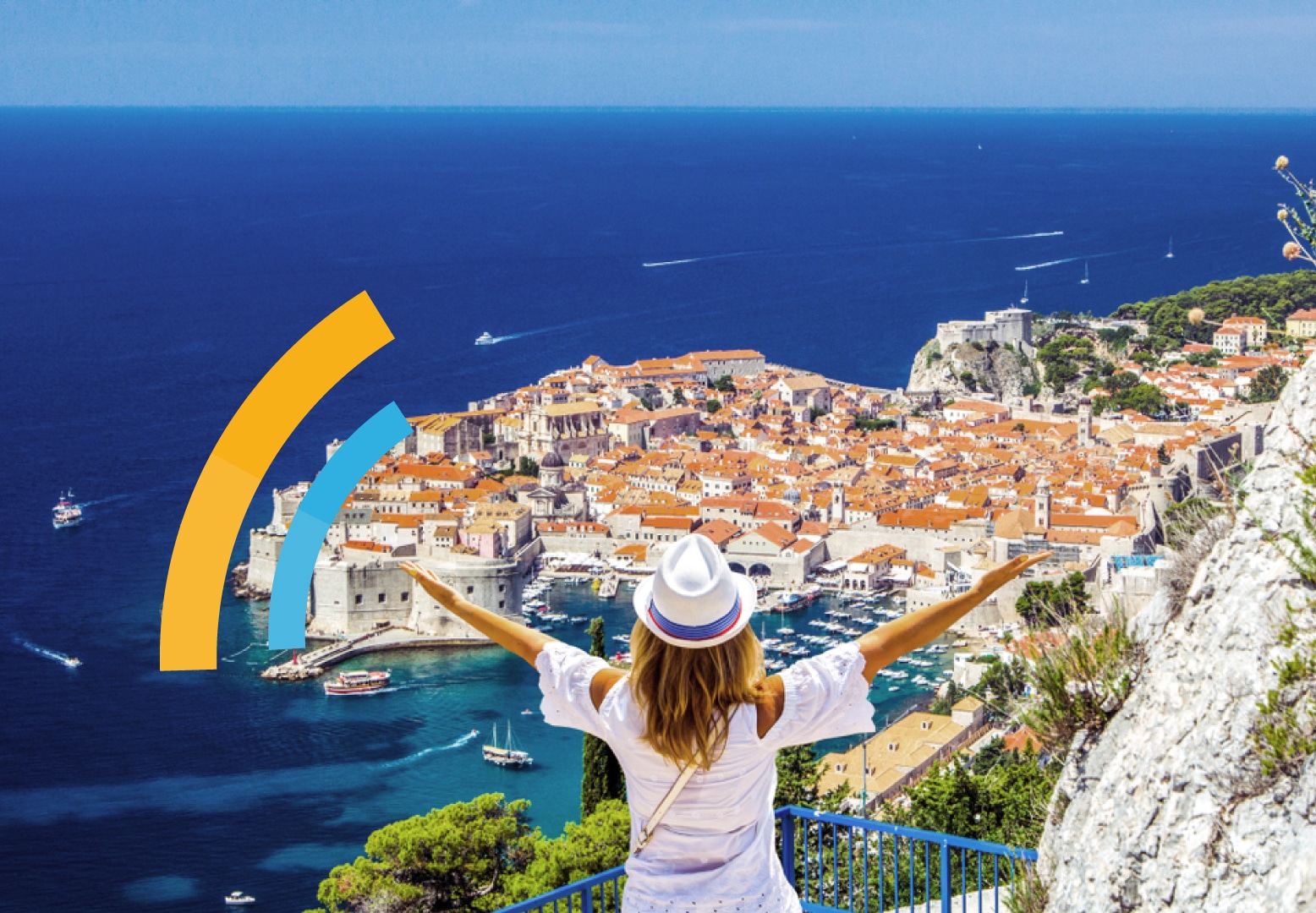
Guide for Croatia Visa Requirements

Schengen visa for croatia

If you plan to visit Croatia, you will likely need a Schengen Visa, as Croatia joined the Schengen Zone on January 1, 2023. This visa allows you to stay in Croatia for up to 90 days within a 180-day period. The documents you need may vary depending on your nationality and individual circumstances. You must present certain documents to the border police, regardless of how you arrive in Croatia (by land, sea, or air). LUMA can help you with your Croatia visa requirements.

Where do I apply for my Schengen Croatia Visa?

You will need to apply for your Schengen Croatia visa in your home country before you depart. Schengen visas for Croatia are processed by the Croatia consulate’s official partner, VFS Global.

For those from ASEAN countries planning to experience the Croatia, getting acquainted with visa requirements specific to your home country is important. Below are the documents you’ll need for a Croatia visa application. 

Croatia Visa Requirements for Thai citizens

Documents required for Thai Citizens
  1. Visa application form: This must be completed in full and signed.
  2. One recent photo (taken within the last 3 months) should be submitted and attached to the application.
  3. Passport with validity of at least 3 months after the planned journey ends (and one copy), plus previous passports if any.
  4. Identity Card, Work Permit, Residence Permit and one copy of each.
  5. Letter of employment (original) or evidence of business ownership, such as Business Registration Certificate (and a copy) and Income Tax Payment Certificate or Receipt (true copy).
  6. For minors (person under 18 travelling alone or with only one parent): birth certificate, proof of custody, (e.g. marriage certificate, divorce certificate, registration of residence); – An authorisation to travel (alone or with one parent) indicating the purpose of the trip and signed by both parents/legal guardians or from the parent/guardian who does not travel, with copy of their passports or national identification cards. The signature(s) should be verified by a legal entity (e.g. municipal registration office or court).
  7. Six months of bank statements or bank account booklets copied and certified by the Bank or original document from the bank (in English) indicating the balance (exact amount); or other proof of sufficient means of subsistence for the intended entire journey and the duration of stay.
  8. Round-trip flight booking (and a copy)
  9. Confirmed hotel reservation (and a copy)
  10. Travel insurance: (plus one copy). The insurance must cover:
  • Cost of repatriation for medical reasons or death.
  • Urgent healthcare and emergency hospital treatment for the entire stay and throughout the Schengen area.
  • Any expenses that might arise with Covid-19 or repatriation for medical reasons.
  • Coverage must be of at least €30,000 or its equivalent in local currency.
    • If the application is for a multiple-entry visa, the medical insurance must be valid for the first planned entry. The Luma Schengen Travel Pass is highly recommended as it meets all these requirements.
  1. Tourist visa holders must be able to prove possession of the equivalent of 70 euros for each day of their stay within the Schengen area.
  2. For business meetings/partners and persons staying at the residence of Croatia citizens: Invitation issued by the host (with verified signature) which should be sent to the Embassy by fax or e-mail before the day of application. The original may be sent by post.
  3. For persons under 20 years old; Parents’ consent permitting visa issue and for the specific travel (original).
  4. For students: Letter from school/university (original) in English.
  5. Any other documents supporting the purpose and circumstances of the trip. An itinerary of the planned trip if several countries are visited.
  6. Copy of Real Estate Property (title-deed), marriage certificate, birth certificate of children, if relevant.
  7. Visa fee: The fee starts from EUR80.00 per person but may vary depending on the visa type and stay duration.
  8. Application: This should be made in person at the VFS Office in Bangkok.
  9. Document checklist: This should be referred to before making your visa application in person.

Fingerprinting will be required during the visa application process.

Croatia Visa Requirements for Indonesian citizens

Documents required for Indonesian Citizens
  1. Visa application form: This must be completed in full and signed.
  2. One recent photo (taken within the last 3 months) should be submitted and attached to the application.
  3. Passport with validity of at least 3 months after the planned journey ends (and one copy), plus previous passports if any.
  4. Identity Card, Work Permit, Residence Permit and one copy of each.
  5. Letter of employment (original) or evidence of business ownership, such as Business Registration Certificate (and a copy) and Income Tax Payment Certificate or Receipt (true copy).
  6. For minors (person under 18 travelling alone or with only one parent): birth certificate, proof of custody, (e.g. marriage certificate, divorce certificate, registration of residence); – An authorisation to travel (alone or with one parent) indicating the purpose of the trip and signed by both parents/legal guardians or from the parent/guardian who does not travel, with copy of their passports or national identification cards. The signature(s) should be verified by a legal entity (e.g. municipal registration office or court).
  7. Six months of bank statements or bank account booklets copied and certified by the Bank or original document from the bank (in English) indicating the balance (exact amount); or other proof of sufficient means of subsistence for the intended entire journey and the duration of stay.
  8. Round-trip flight booking (and a copy)
  9. Confirmed hotel reservation (and a copy)
  10. Travel insurance: (plus one copy). The insurance must cover:
    • Cost of repatriation for medical reasons or death.
    • Urgent healthcare and emergency hospital treatment for the entire stay and throughout the Schengen area.
    • Any expenses that might arise with Covid-19 or repatriation for medical reasons.
    • Coverage must be of at least €30,000 or its equivalent in local currency.
  • If the application is for a multiple-entry visa, the medical insurance must be valid for the first planned entry. The Luma Schengen Travel Pass is highly recommended as it meets all these requirements.
  1. Tourist visa holders must be able to prove possession of the equivalent of 70 euros for each day of their stay within the Schengen area.
  2. For business meetings/partners and persons staying at the residence of Croatia citizens: Invitation issued by the host (with verified signature) which should be sent to the Embassy by fax or e-mail before the day of application. The original may be sent by post.
  3. For persons under 20 years old; Parents’ consent permitting visa issue and for the specific travel (original).
  4. For students: Letter from school/university (original) in English.
  5. Any other documents supporting the purpose and circumstances of the trip. An itinerary of the planned trip if several countries are visited.
  6. Copy of Real Estate Property (title-deed), marriage certificate, birth certificate of children, if relevant.
  7. Visa fee: The fee starts from EUR80.00 per person but may vary depending on the visa type and stay duration.
  8. Application: This should be made in person at the VFS Office in Jakarta.
  9. Document checklist: This should be referred to before making your visa application in person.
  10. Fingerprinting will be required during the visa application process.

Croatia Visa Requirements for Philippines Citizens

Documents required for Philippine Citizens
  1. Visa application form: This must be completed in full and signed.
  2. One recent photo (taken within the last 3 months) should be submitted and attached to the application.
  3. Passport with validity of at least 3 months after the planned journey ends (and one copy), plus previous passports if any.
  4. Identity Card, Work Permit, Residence Permit and one copy of each.
  5. Letter of employment (original) or evidence of business ownership, such as Business Registration Certificate (and a copy) and Income Tax Payment Certificate or Receipt (true copy).
  6. For minors (person under 18 travelling alone or with only one parent): birth certificate, proof of custody, (e.g. marriage certificate, divorce certificate, registration of residence); – An authorisation to travel (alone or with one parent) indicating the purpose of the trip and signed by both parents/legal guardians or from the parent/guardian who does not travel, with copy of their passports or national identification cards. The signature(s) should be verified by a legal entity (e.g. municipal registration office or court).
  7. Six months of bank statements or bank account booklets copied and certified by the Bank or original document from the bank (in English) indicating the balance (exact amount); or other proof of sufficient means of subsistence for the intended entire journey and the duration of stay.
  8. Round-trip flight booking (and a copy)
  9. Confirmed hotel reservation (and a copy)
  10. Travel insurance: (plus one copy). The insurance must cover:
    • Cost of repatriation for medical reasons or death.
    • Urgent healthcare and emergency hospital treatment for the entire stay and throughout the Schengen area.
    • Any expenses that might arise with Covid-19 or repatriation for medical reasons.
    • Coverage must be of at least €30,000 or its equivalent in local currency.
  11. If the application is for a multiple-entry visa, the medical insurance must be valid for the first planned entry. The Luma Schengen Travel Pass is highly recommended as it meets all these requirements.
  12. Tourist visa holders must be able to prove possession of the equivalent of 70 euros for each day of their stay within the Schengen area.
  13. For business meetings/partners and persons staying at the residence of Croatia citizens: Invitation issued by the host (with verified signature) which should be sent to the Embassy by fax or e-mail before the day of application. The original may be sent by post.
  14. For persons under 20 years old; Parents’ consent permitting visa issue and for the specific travel (original).
  15. For students: Letter from school/university (original) in English.
  16. Any other documents supporting the purpose and circumstances of the trip. An itinerary of the planned trip if several countries are visited.
  17. Copy of Real Estate Property (title-deed), marriage certificate, birth certificate of children, if relevant.
  18. Visa fee: The fee starts from EUR80.00 per person but may vary depending on the visa type and stay duration.
  19. Application: This should be made in person at the VFS Global Office in Makati.
  20. Document checklist: This should be referred to before making your visa application in person.
  21. Fingerprinting will be required during the visa application process.

Croatia Visa Requirements for Singapore Citizens

Visa Exemption: According to the regulations, citizens do not need a visa to enter the countries of the Schengen Agreement, including Croatia, as tourists or business travellers if their stay is no longer than 90 days within 6 months. Verifying with the official Croatia Embassy in Singapore before travel is recommended. It is also recommended to check Schengen Visa for Croatia requirements before making arrangements to travel.

Croatia Visa Requirements for Malaysian Citizens

According to the current guidelines, citizens of Schengen Agreement countries do not need a visa to enter Croatia, as tourists or business travelers, for stays of up to 90 days within 6 months.

Verifying with the official Croatian Embassy in Kuala Lumpur before travel is recommended. Always check with the embassy for Croatia visa requirements.

💡 Travel tip: While the Schengen visa allows movement across many countries, always be ready with a printout of your visa and other travel documents. Some border checks may still require verification.

croatia visa requirement

How much is the cost of the Croatian Visa?

The cost of a Schengen Visa for Croatia can vary based on the applicant’s age, visa type, and nationality. As of the last update, the general visa fee structure for the Schengen visa is as follows:

  • Adults: EUR80
  • Children (6-12 years old): EUR40
  • Children under 6 years: Free of charge

However, there are exceptions and reductions:

  • Students: Reduced fees or waivers may apply for students or postgraduates and accompanying teachers on educational trips.
  • Researchers: Individuals travelling for scientific research may benefit from reduced fees.
  • Diplomatic passport holders: can obtain a visa for free.
  • Certain categories of applicants from countries with Visa Facilitation Agreements with the Schengen states may be subject to a reduced visa fee of EUR35.
  • Long-term visas: National visas or Type D visas, intended for longer stays or any other Schengen country, might have a different fee structure.

Fees are non-refundable, even if your visa application is rejected. Additionally, visa processing agencies or centres might charge an additional service fee.

What travel insurance requirements are there?

Travel Insurance is mandatory as part of the Croatia visa requirements and the insurance must cover:

  • Cost of repatriation for medical reasons or death.
  • Urgent healthcare and emergency hospital treatment for the entire stay and throughout the Schengen area.
  • Any expenses that might arise with Covid-19 or repatriation for medical reasons.
  • Coverage must be of at least €30,000 or its equivalent in local currency.

If the application is for a multiple-entry visa, the medical insurance must be valid for the first planned entry. The LUMA Schengen Travel Pass is highly recommended as it meets all these requirements.

LUMA’s Schengen Pass offers:

  • Extensive coverage: With coverage starting at EUR30,000 LUMA offers comprehensive protection throughout your trip, giving you peace of mind as you explore Europe.
  • Flexible options: Whether you’re planning an individual trip or multiple trips within a year, LUMA Schengen Pass Travel Insurance has got you covered.
  • Wide range of eligibility: LUMA is designed to accommodate travellers of various age groups, from 1 year old to 85 years old.
  • Perfect for South East Asian travellers: If you’re departing from South East Asia, LUMA Schengen Pass Travel Insurance is tailored to meet your needs.
  • Easy application process: Applying for LUMA insurance is a breeze – do it online and receive your insurance certificate via email.
  • Trustworthy and reliable: Join over 60,000 fellow travellers who have placed their trust in LUMA. With a proven track record, LUMA is a name you can rely on.
  • Globally recognized: LUMA insurance is widely accepted by embassies around the world, making your visa application process smoother and hassle-free.

So why compromise on your travel insurance? Choose LUMA Schengen Pass Travel Insurance and experience the peace of mind you deserve while exploring Europe.

Other things to know about the Schengen visa for Croatia

Can I transit through Croatia?

If you’re transiting through a Croatian airport on your way to another Schengen or non-Schengen destination, you generally won’t need a Croatian visa as long as you remain in the international transit area and don’t pass through Croatian immigration control.

Do I need to provide biometric data for my Schengen Croatia Visa?

Croatia visa applicants may be required to provide biometric data (fingerprints and a photo) as part of the application process.

Where do I apply for a Croatia Schengen Visa?

To obtain a Schengen visa for Croatia, you typically need to apply at the embassy or consulate of the Schengen country where you plan to spend the most time during your trip. Make sure to apply well in advance of your intended travel date.

💡 Travel tip: Ensure your passport photos for the visa application adhere to the specific requirements of the Schengen visa. Some countries may have particular photo specifications that differ from standard passport photos.

croatia visa requirements

Can I switch my visa type or my residence status while in Croatia?

In the past, it was possible to switch visa types or residence statuses in Croatia under specific conditions. Travelers could potentially change from a tourist visa to a residence permit, but the process could be intricate and involved adhering to Croatian immigration laws. Changing visa types may require leaving Croatia and applying at a Croatian consulate or embassy abroad, while a tolerated stay might be permitted during the application process. The eligibility criteria and required documentation varied depending on the specific circumstances. Compliance with local immigration laws was crucial to avoid penalties. Given the potential for policy changes, it’s essential to verify the current regulations from official sources and seek professional guidance when needed.

Can I extend my short stay Schengen Visa in Croatia?

If you have a short-stay Schengen visa and wish to extend your stay in Croatia, you would need to consider the specific regulations and requirements set by the Croatian authorities to obtain a Schengen Visa for Croatia.

For more information and guidance on visa requirements and processes, it is recommended to contact the Department for Visas at the Croatian Consulate in your home country. Please note that visa regulations and policies are subject to change.

visa for croatia

Frequently Asked Questions from People Traveling to Croatia

Do you need a Schengen visa for Croatia?

Starting from 1 January 2023, a Schengen visa for Croatia is required. This means that travellers who wish to visit Croatia will need to obtain a Schengen visa to enter the country. The Schengen visa is a type of visa that allows travel within the Schengen Area, which consists of 26 European countries that have abolished internal border controls.

Is Croatia part of the Schengen Visa Zone?

Yes, Croatia joined the Schengen Zone officially in January 2023.

How do I get a Croatia Schengen Visa for Filipino in Singapore?

According to the Embassy of the Republic of Croatia, Filipino passport holders who want to visit Croatia will need to obtain a visa from the Croatian embassy or the relevant provider, such as VFS Global. The Croatian visa regulations are currently updated as of 1 January 2023 and follow the Schengen standard. There is no Croatian Embassy in Singapore and the Manila-based Croatian Embassy should be contacted instead.

The Ministry of Foreign Affairs of the Republic of Croatia states that the visa requirements and process will depend on the purpose of your visit and other specific circumstances. Generally, the visa application process requires submitting required documents, including a completed application form, a valid passport, travel itinerary, proof of accommodation, and insurance. It is recommended that you consult with the Croatian embassy for details before applying.

schengen croatia visa

To further enrich your travel experience in Croatia, always ensure that you’re covered with the LUMA SCHENGEN PASS. This ensures a smooth visa application process and guarantees peace of mind throughout your journey.

For detailed visa application processes, guidelines and other specifics, visiting the official website of the Croatian Embassy or Consulate in your respective country is recommended. Safe travels!

Travel Insurance for Croatia

LUMA Care Application
Contact Us

Copyright © 2026 lumahealth.com. All Rights Reserved.   Privacy Policy & Terms of Conditions