
All You Need to Know About Screening Test for Colon Cancer

Colon cancer, also known as colorectal cancer or rectal cancer, is most likely to develop from precancerous polyps in the colon or rectum. Therefore, it is important that an individual undergoes colon cancer screening tests early, in order to detect precancerous polyps and remove them before they turn into cancer. Similarly, screening tests can find colorectal cancer early.

There are two categories of test to screen for polyps or colon cancer. The first category is stool-based tests and the second one is visual-based tests. Here are all you need to know about both categories of screening tests, including their functions, as well as the pros and cons of each test option.

Stool-Based Testing

stool-based testing

     Stool-based testing involves an analysis of an individual’s faeces for possible indicators of colorectal cancer, or the presence of polyps. These tests are typically favoured by most individuals, seeing as they can be easier to conduct as compared to a colonoscopy and can also be done within the confines of their own homes. However, the primary downside to conducting this test is that it needs to be conducted more frequently. Also, should the result of a stool test come out positive, thus indicating the presence of an abnormal growth, a colonoscopy is still required to check if an individual has cancer. 


    Stool-based testing can be divided into 3 individual types – faecal immunochemical testing (FIT), Guaiac-based faecal occult blood testing (gFOBT), and stool DNA testing. It is recommended that you conduct the FIT and gFOBT tests every year, while stool DNA testing should be conducted for as often as your doctor recommends.


     A FIT test, also known as an immunochemical faecal occult blood test (iFOBT), looks at sample of your stool (faeces ) to check for blood. This test is fairly inexpensive and can be done privately at home by collecting small amounts of your stool on cards, or in tubes. Additionally, there are no drug or dietary restrictions which should be adhered prior to conducting this test as the nutrients found in foods do not affect FIT results. This test is also less likely to react to bleeding present in other parts of the digestive tract such as the stomach. However, there are a couple of disadvantages related to the test, such as overlooking the presence of polyps or other cancers and having a false-positive result, which can be caused by haemorrhoids, ulcers, or other conditions.

gFOBT Test
gFOBT Test

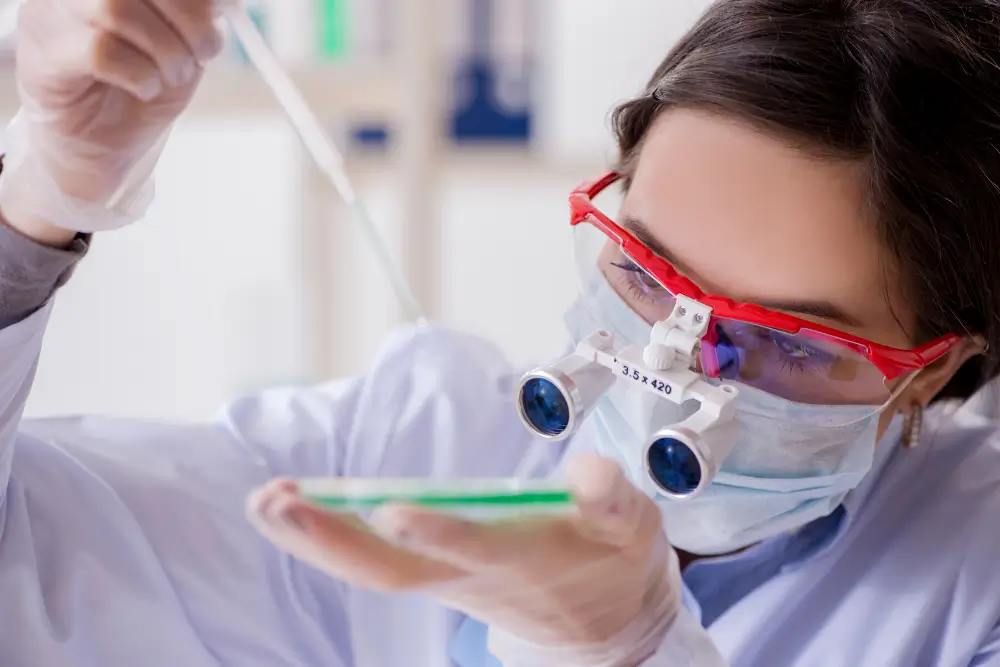
A gFOBT test, on the other hand, is able to detect the presence of hidden blood in the stool through a chemical reaction, unlike a FIT test. Another difference between both tests is that the results of this test can be affected by certain types of foods or drugs. Non-inflammatory drugs (NSAIDs), including ibuprofen, naproxen, or aspirin, should be avoided at least 7 days prior to testing. NSAIDs can cause bleeding in the digestive tract, which in turn can produce a false-positive result. However, if you are taking NSAIDs for certain medical conditions, do not stop taking them, unless you have already gotten clearance from your doctor. Similarly, red meat such as beef, mutton, lamb, or pork should be avoided at least 3 days before testing, as certain components in the meat blood can also cause a false-positive result. You should also avoid taking vitamin C in excess of 250mg at least 3 days before testing. This is because vitamin C, which is supplied to your body through citrus fruits or supplements, can affect the chemicals in the test and cause the test result to be negative, even if there is blood present in your stool.

Stool DNA Testing
Stool DNA Testing

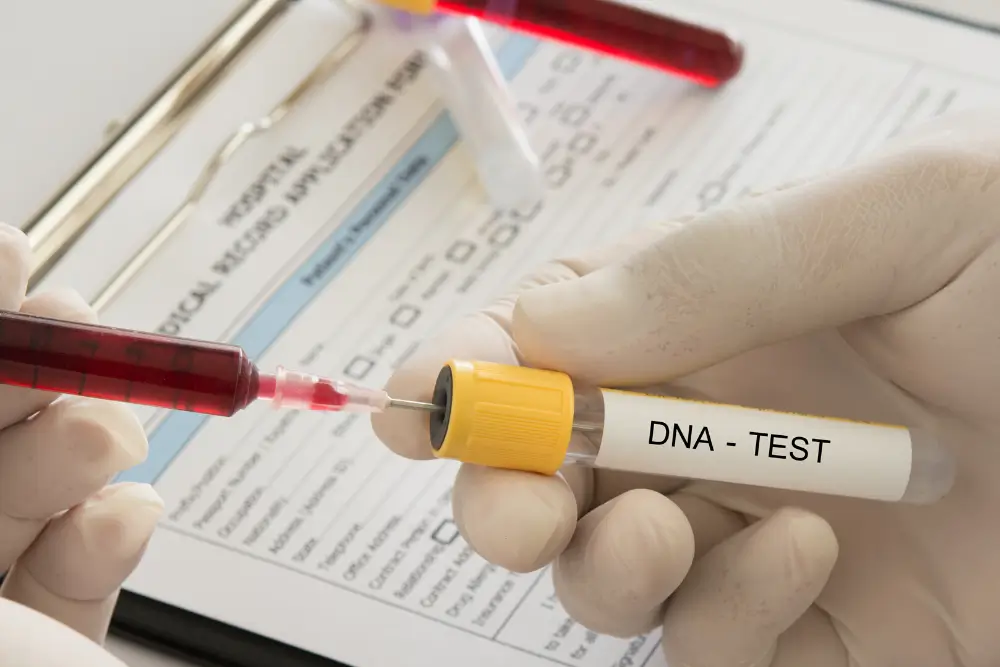
In comparison, a stool DNA test is conducted to identify abnormalities in sections of your DNA, which is caused by cancer, or the existence of polyp cells. Colon cancer or polyp cells usually contain DNA mutations in certain genes and can get into your stools, thus making it possible for you to detect either one of its presence through the test. It is recommended that you do this test every 3 years, but it is better to stick to the guidelines provided by your doctor, who could possibly advise you to run the test more frequently, based on an analysis of your past medical history.

Visual-Based Testing

Visual-based testing involves looking at the inside structure of your colon and rectum for any abnormalities that could point towards cancer, or the existence of polyps. These tests need not necessarily be conducted as often as stool-based tests. However, they do require prior preparation and could be liable to certain risk factors which are not similar to stool-based tests. There are three types of visual-based tests which can be conducted – a colonoscopy, a computed tomography of your colon and rectum, and a flexible sigmoidoscopy.  

Colonoscopy
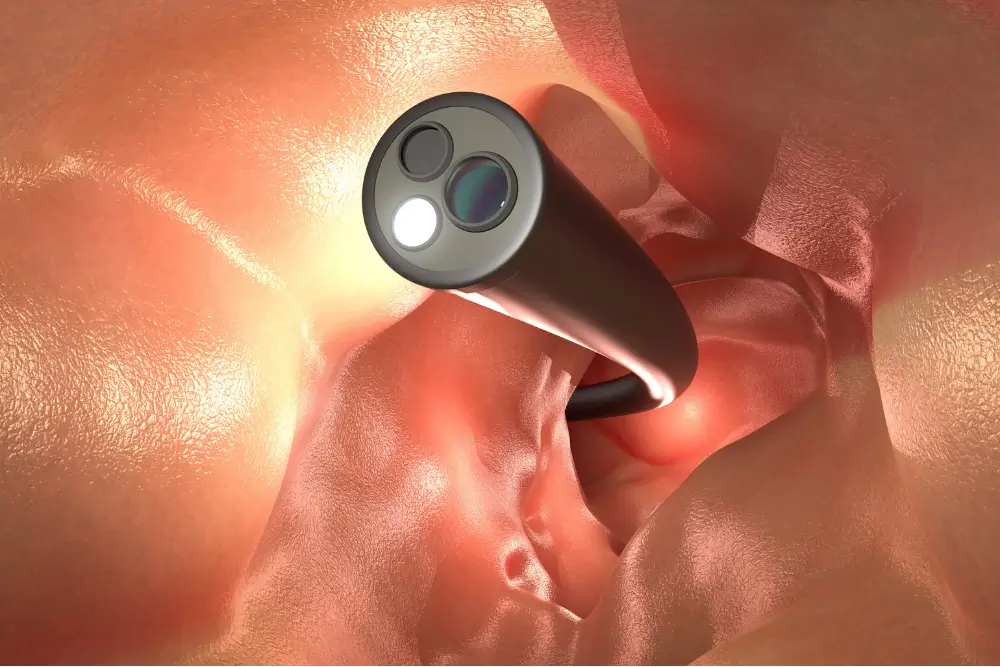
Colonoscopy

One of the most effective examinations carried out to detect colon cancer, or the presence of polyps, is a colonoscopy. It involves the use of a colonoscope, a flexible tube that is as wide as a finger, and fitted with a light bulb and mini video camera at its tip. The tube is inserted into the anus, and has to go through the rectum and colon. For the purpose of sampling abnormalities, or removing polyps, special instruments can be passed through the colonoscope as well. Prior to conducting a colonoscopy, you would need to ensure that your colon and rectum is empty and clean, so as to allow your doctor to analyse the inner lining thoroughly. It is recommended that you stick to the specific instructions as laid out by the doctor, who may suggest the use of one method, or a combination of a few, which include ingesting pills, downing a liquid laxative solution, or using an enema. You will also be asked to follow a specific diet a day before the colonoscopy procedure.


During the colonoscopy, your doctor will look at the inner lining of your colon, seeking out polyps, which may be removed and subsequently sent to a laboratory for further testing. This testing will allow your doctor to ascertain if the polyps have become cancerous, and proceed to prescribe the next course of action. Similarly, if your doctor identifies the presence of a larger polyp or tumor, a small piece of it will be biopsied and sent to a laboratory to determine if it is a benign growth, or something more dangerous.


It is important to note that there are possible side effects and complications which can be experienced by undergoing a colonoscopy. For instance, some individuals may suffer from bloating, stomachaches, or cramping, which can last for a short period of time, until all the air from the colon and rectum passes out. Others may experience low blood pressure or a change in their heart’s rhythm due to the sedative induced, but these symptoms will wear off eventually. If a polyp is removed during the colonoscopy, there is a possibility of blood being present in your stool for at least a day or two after the test is conducted. Serious bleeding is uncommon, but in certain cases, it needs to be treated with urgency, or can otherwise be life-threatening.


Although rare, a colonoscopy can also result in a puncturing of the colon or rectum wall, otherwise known as a perforation. Some of the symptoms which relate to a perforation include severe abdominal pain, nausea, and vomiting. If not treated with proper care and urgency, it can lead to severe abdominal infection, which is why it is advisable to speak to your doctor regarding the risks of complication before agreeing to a colonoscopy.

CT Scan

A computed tomography (CT) of the colon and rectum is more advanced than an x-ray, but less invasive than a colonoscopy. However, cleaning and emptying of the colon and rectum akin to the process you undergo before a colonoscopy, is required. A CT colonography’s main function is to take many pictures as it rotates around you while you lie on a table, unlike a regular x-ray, which takes only a single picture. Using specialised computer programmes, these pictures are then combined to provide a detailed image of your body for study. Featuring 2-dimensional (2D) and 3-dimensional (3D) viewing options of the inside of your colon and rectum, a CT colonography enables your doctor to ascertain if there are polyps or cancer, present in your colon or rectum. However, undergoing a CT colonography also exposes you to a few temporary side effects, such as bloating and stomach cramps, which usually dissipate after a while. You could also be at risk of a colon or rectum perforation, although the risk of occurrence is thought to be higher with a colonoscopy. Alas, with every other type of CT scan, a colonography also exposes you to a tiny amount of radiation.

Flexible sigmoidoscopy

A flexible sigmoidoscopy, which should be done every 5 years, especially if you are above the age of 50, is a fairly quick and safe method for detecting, and possibly removing, any identified abnormalities. The sigmoidoscope, a flexible, lighted tube which is as thick as a finger, and has a video camera on its tip, allows for a complete analysis of your entire rectum through a screen, but is only limited to one-third of your colon. As a result, your doctor could fail to detect smaller-sized polyps, which could turn cancerous over time. This test may cause you to feel a little discomfort, as a result of the air pumped into your colon and rectum, but it should not be very painful. Traces of blood may be visible in your bowel movements for a couple of days after the procedure, but should you experience profuse bleeding, or if you are still experiencing bleeding after two days, report the situation to your doctor immediately.


Given the increasing number of cases of colon cancer involving people below the age of 50, it is recommended that you start regular screening once you turn 45. However, should you be suffering from inflammatory bowel diseases such as Crohn’s or ulcerative colitis, have a relative who has been previously diagnosed with colon cancer, or suffer from a genetic syndrome such as Lynch syndrome (a hereditary, non-polyposis form of colon cancer), it is advisable that you conduct self-checks based on the advice of your doctor. Always remember, one small step today can save you a lifetime of anguish tomorrow.


Cancer Prevention: What Can You Do to Prevent It?

     According to the World Health Organisation (W.H.O), between 30-50% of all cancer cases worldwide are preventable. In the long run, prevention can actually be a superior cost effective strategy as compared to undergoing treatment for the disease. In that regard, here are some proven tips on how to prevent being stricken with cancer. 

1. Health Check-Up

Stethoscope

     There are diseases like cancer that may not show the symptom in the early stage, so even if there is no indication of illness adults above 40 years of age should seek to have a health check-up at least once a year. The health check-up may include a blood test, blood pressure assessment, physical examination such as colorectal and prostate screening and a chest x-ray. These check-ups can help you locate the problem and possibly able to detect cancer in the early stages. 

In some kinds of cancer like cervical cancer this requires women aged 21–65 years to get a Pap test (with or without a HPV testing,  every 3 years. Women aged 30 or older need to get a general check-up as well every year. For men aged 50 years and older, it is important to do a Prostate cancer exam annually as well.  For example, group age, gender that should start annual checks up according to type of cancer.

  • Breast cancer – Women aged from 40 to 44 have the option to start annual screening with mammogram and breast ultrasound. But for ages 45-49 women should get mammogram and breast ultrasound  every year.

  • Colon and rectal cancer – and polyps, for people at average risk American Cancer Society recommends to start regular screening at age 50 .. The most appropriate screening test for colon cancer is the colonoscopy that is, for most people, recommended every 5 years from 50 years of age onwards.

  • Cervical cancer – testing should start at age 21 and ages between 21-29 should have a Pap test every 3 years. Women ages between 30-65 should have Pap and HVP co-testing done every 5 years but it’s ok to have Pep alone every 5 years.

  • Endometrial cancer – All women should be told about the risk and symptoms of endometrial cancer. In the absence of symptoms, there are no specific screening tests to detect endometrial cancer. The transvaginal ultrasound exam is a first-line test to use if any symptom occur.Some women according to their history may need to consider having yearly endometrial biopsy.

  • Lung cancer – The American Cancer Society recommended yearly lung cancer screening with low-dose CT scan (LDCT) for certain people at high risk for lung cancer:

    • Ages between 55-74 years in fairly good health

    • Currently smoke or have quit smoke in part 15 years

    • Have at least 30 pack-year smoking history 

  • Prostate cancer – Starting at age 50 you should talk to your health care provider about pros and cons of prostate screening that include physical examination, a ultrasound of lower abdomen and a PSA test.

2. Know Your Family History

     Some types of cancer run in certain families, but most cancers are not clearly linked to the genes we inherit from our parents. Gene changes that start in a single cell over the course of a person’s life cause most cancers. There are chances that you have inherited faulty genes and it is important to know your family health history. Telling the doctor about your family health is the first step, then the doctor can analyze what kind of test or care is required.

     Sometimes, certain types of cancer seem to run in some families. This might be because family members share certain behaviors or exposures that increase cancer risk.  Some of these are discussed briefly here as examples. For more information about a particular type of cancer and its genetic components, diagnosis, and treatment, please see our content on that specific type of cancer. Such as hereditary:

  • Breast and Ovarian Cancer, 

  • Hereditary non-polyposis colorectal cancer

However, a gene is not the main or only reason for you to develop cancer. There are also healthy lifestyle and other circumstances that might put you at more risk.  


3. Quit Smoking or Chewing Tobacco

     Tobacco is the largest and most avoidable risk factor for cancer which kills approximately 6 million individuals every year through cancer and other chronic diseases1. Tobacco is a primary ingredient in cigarettes. When smoked, tobacco releases up to 7,000 chemicals into your body1. At least 250 chemicals in this equation are known to be harmful to the human body, with over 50 of these same chemicals being known to increase the risk of suffering from different types of cancer1. These include cancers of the lungs, mouth, throat, kidneys and bladder 

There are a number of methods which can be used to help you quit smoking effectively, especially if you’ve tried too before but failed. For example, distracting yourself from wanting to pick up a cigarette by avoiding possible smoking triggers such as alcohol consumption and stress. To help with the distraction, indulge in frequent snacks consisting of fruits and vegetables and stick to an effective workout routine. Quitting smoking can also prevent the inhalation of secondhand smoke, which can also increase the risk of your loved ones being affected by cancer. Similarly, chewing tobacco is another habit which has to be kicked to the curb to lower an individual’s risk of being affected by cancer. Although smokeless, this common habit amongst adults living in marginalised countries such as Myanmar and Nepal can also cause cancers of the oral cavity and pancreas.

4. Eat More Fruits and Vegetables

     The type of food you put in your body can have a large impact on your quality of life and can either increase or decrease your risk of being affected by chronic diseases. One of the best foods to consume to prevent cancer is broccoli. This is because broccoli contains sulforaphane, a plant compound that contains anti-cancer properties which can be mostly found in cruciferous vegetables. In fact, various studies have shown that this compound is actually able to reduce the size of cancerous cells significantly. For example, a test tube study revealed that sulforaphane reduced the number and size of breast cancer cells by up to 75%. Some studies have also found that a higher intake of cruciferous vegetables containing sulforaphane was also linked to a reduced risk of prostate cancer. 

     The consumption of berries too has been associated with a reduced risk of cancer. This is mainly attributed to their high contents of plant pigment called anthocyanin, which also possesses antioxidant properties. The laboratory evidence, antioxidants may slow or possibly prevent the development of cancer. Antioxidant neutralise free radicals as the natural by-product of normal cell processes. Free radicals are molecules with incomplete electron shells which make them more chemically reactive than those with complete electron shells. Exposure to various environmental factors, including tobacco smoke and radiation, can also lead to free radical formation. In humans, the most common form of free radicals is oxygen. When an oxygen molecule (O2) becomes electrically charged or “radicalised” it tries to steal electrons from other molecules, causing damage to the DNA and other molecules. Over time, such damage may become irreversible and lead to disease including cancer. Antioxidants are often described as “mopping up” free radicals, meaning they neutralise the electrical charge and prevent the free radical from taking electrons from other molecules.

     A number of studies have been conducted to prove the effectiveness of berries in lowering the risk of cancer. For instance, one human study of 25 people with colorectal cancer found that eating bilberries for one weeks duration was able to reduce the growth of their cancer’s cells by 7%. In another study, patients with oral cancer were given freeze-dried black raspberries to eat and were found to have lower levels of cancer progression markers after consuming the berries. 

Therefore, eating one or two servings of berries daily may aid in mitigating the risk of cancer.

5. Engage in Increased Levels of Physical Activity

     A panel of experts, which included researchers from the American Cancer Society and the American College of Sports Medicine developed a new guidance that endorsed physical activity as prevention for bladder, breast, colon, esophageal, kidney, stomach and uterine cancer. The guidance also noted that exercise improved the survival rates of patients with breast, colon and prostate cancer. One of the reasons is that physical activity helps maintaining healthy body .  It also mooted that exercise do improve the quality of life for these same individuals by reducing the side effects of their cancer treatment.


     To prevent cancer, the recommended amount of general physical activity is up to 150 minutes of moderate exercise or 75 minutes of vigorous exercise per week. The panel also pointed out that engaging in regular physical activity contributed to reducing inflammation; regulates blood sugar levels and sex hormones level as well as improving metabolism and immune functions.

6. Limit Skin Exposure to the Sun

Skin Protection

Skin cancer is a common type of cancer which can be easily prevented by incorporating several different skin protection tips. 


     When you are outdoors, one of the best ways to prevent skin exposure to the sun’s ultraviolet (UV) rays would be to actively seek out shaded areas. If you have no choice but to be directly under sunlight, opt to use a broad-spectrum sunscreen with an SPF of 30 or higher to avoid skin exposure to the sun’s ultraviolet because it may of damage the  DNA in skin cells leading to skin cancer. 


     For prolonged exposure under sunlight however, this same sunscreen should be reapplied every couple of hours, more often if you’re sweating. Alternatively, you should also consider wearing brightly colored clothing as it is able to reflect the sun’s UV rays more effectively than pastels or bleached cotton.

7. Make Sure Your Vaccinations are Up to Date

Interestingly enough, cancer prevention also involves you to be sure that all your mandatory vaccinations are up to date. These include vaccinations:

  • for Hepatitis B and 

  • the Human Papillomavirus (HPV)

     Hepatitis B is a disease which can put you at an increased risk of liver cancer. The Hepatitis B vaccination is recommended for those who may be unaware that they are at risk of contracting this disease. These individuals include those who are sexually active but not in a monogamous relationship, those who have sexually transmitted infections (STI’s), those who use intravenous drugs, men who engage in sexual intercourse with other men and those who work in an environment where they are exposed to infected blood or body fluids on a regular basis.

HPV, on the other hand, is a sexually transmitted virus which can put you at risk of cervical cancer, other genital cancers and squamous cell cancers involving your head and neck. 


     Implementing these tips can help you reduce the risk of suffering from cancer if you remain disciplined and be consistent with the daily healthy practices. At the same time, regular self-examinations and screenings for cancers such as skin, colon, cervical and breast cancers are encouraged. These examinations can help you to detect early warning signs of any cancer and increase your chances of treating it at an early stage, where the odds of successfully eliminating the cancerous cells will most likely be in your favour..

If you want to know about the health insurance that covers cancers from Luma, fill in the form below and click submit. Our consultant will contact you within 24 hours.

Why Early Diagnosis of Cancer is Important?

One in six deaths in the world is due to cancer, making it the second leading cause of death after cardiovascular diseases. Cancer is a generic term for a large group of diseases with a common trait of rapid creation of abnormal cells that grow beyond their usual boundaries. Cancer can affect any part of the body, presenting as a disease with its own characteristics, risk factors, causes and treatments.


Abnormal cell growth in cancer can invade adjoining parts of the body and spread to other organs, also known as metastasising. Metastases are a major cause of death from cancer. Despite the bleak prospect often associated with cancer, thousands of people are successfully treated every year with more people than ever before surviving cancer.


One of the key contributors to successful cancer management, alongside a healthy lifestyle,  is an early diagnosis. This involves procedures to determine whether a patient has cancer, where it is located, what is its histological type and severity. Early cancer detection means that it may more easily removed or treated. Although there is a huge variation in survival between cancer types, even for those cancers where survival is poor, the chances of surviving are better if the cancer is found early.

Relative Survival Rates

A relative survival rate compares people who have developed cancer to people in the overall population. The following are the relative survival rate of some of the most common cancers and how early diagnosis can make a difference:

Breast Cancer:

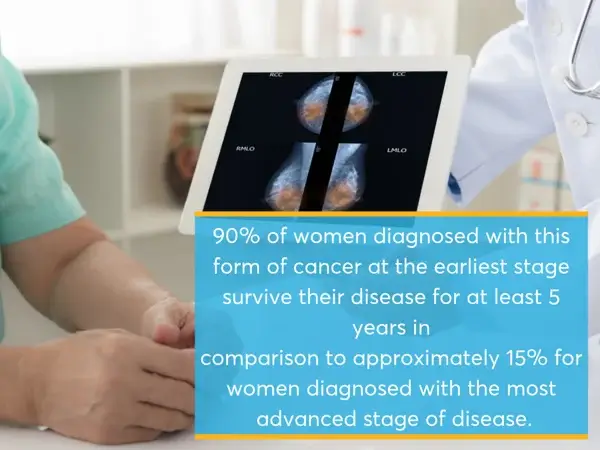
The most common cancer in women – 90% of women diagnosed with this form of cancer at the earliest stage survive their disease for at least 5 years in comparison to approximately 15% for women diagnosed with the most advanced stage of disease.

Ovarian cancer:

90% of women diagnosed with the earliest stage ovarian cancer survive their disease for at least 5 years in comparison to around 5% for women diagnosed with the most advanced stage of the disease.

Cervical Cancer:

The 5-year survival rate for all women with cervical cancer is 67%. When detected at an early stage, the 5-year survival rate for women with invasive cervical cancer is 92%.

Colorectal cancer:

The most common malignant tumour of men and women together, presents an average survival rate of 65% five years after diagnosis. While diagnosis at early stages have over a 90% chance of cure and surviving.

Lung Cancer:

One of the most aggressive tumours, more than 80% of lung cancer patients will survive for at least a year if diagnosed at the earliest stage compared to around 15% for people diagnosed with the most advanced stage of the disease.

Prostate Cancer:

Today the most common cancer in men (excluding skin cancer), has an increasingly favourable prognosis, with a 5-year survival rate for local or regional prostate cancer is nearly 100%. The introduction of screening tests for prostate cancer is believed to contribute to the decline in the number of deaths by 21%.

Pancreatic Cancer:

Due to difficulty in diagnosing pancreatic cancer, the vast majority of cases are not diagnosed until too late. As such, 5-year survival rate is significantly improved to approximately 25% if the cancers are surgically removed while they are still small and have not spread to the lymph nodes compared to only 9% in most pancreatic cancer cases.

Skin Cancer:

The most aggressive form of skin cancer, melanoma, has a 5-year survival rate of about 99% when detected early compared to 64% once it spreads to lymph nodes. With increasing risk in sun exposure, knowing sun safety guide to skin cancer can also be an important measure aside from early diagnosis.

Cancer Diagnosis

Cancer Screening and Diagnosis

Biomarker detection, imaging and biopsy are some of the modalities used for cancer screening and diagnosis. The improvement of technology and scientific discovery also means that cancer diagnosis and treatment has been made less invasive. At the beginning of the 1970s, progress in ultrasound (sonography), computed tomography (CT scans), magnetic resonance imaging (MRI scans) and positron emission tomography (PET scans) have replaced most exploratory operations. Using miniature video cameras and endoscopy, surgeons can remove colon, oesophagus and bladder tumours through tubes. Recently, less invasive ways of destroying tumours without removing them are being studied including liquid nitrogen spray to freeze and kill cancer cells (cryosurgery). Lasers are also used to cut the tumour tissue of cervix, larynx, liver, rectum, skin and other organs.


Unfortunately, approximately 70% of deaths from cancer occur in low- and middle-income countries, which are most ill-equipped to cope with the cancer burden. Lack of cancer data, screening methods and access to treatment are some of the gaps that contribute to the high rate of mortality.


The incidence of cancer in the global population will continue to increase throughout the years with an estimated addition of almost double the cases in 2040 from 2008. But, as the cancer diagnosis rates increase, so does the improvement in technology and expertise in managing them. Diagnostic methods have improved over the years and will surely continue to do so, ensuring a better prognosis for most cancer patients. Thanks to scientific advances in tests and procedures, we can accurately diagnose and treat most cancer from a very early stage.


In fact, the percentage of people who die from cancer has fallen by 20% in the past 32 years and more than 67% of the people diagnosed with cancer today will still be alive in five years time.

Take Steps to an Early Diagnosis

However, lack of awareness of signs of cancer and symptoms as well as reluctance and embarrassment in seeking medical consultation may hinder the opportunity of early diagnosis.

So, if you notice anything unusual about your body, or you suspect any possible symptoms, it’s important to consult your healthcare provider about it. Because in the end, it’s better to be safe than sorry. More importantly, you need to have regular health check-ups (that need to be adapted to your specific medical background) as well as adhere to the core principles of healthy lifestyle to reduce the risk of many cancers.


To protect your future, make sure you have comprehensive health insurance that looks after your health from start to finish. With regards to cancer treatment, make sure that both IPD and OPD treatments are covered.

LUMA Care Application
Contact Us

Copyright © 2026 lumahealth.com. All Rights Reserved.   Privacy Policy & Terms of Conditions