
Dealing with Thai Food Allergies: What Foods to Avoid?

Studies show that the prevalence of food allergy is increasing in both Western countries and developing countries in Asia and Africa during the last decade. In Thailand, the incidence has increased by three or four times during the past four decades.

“Most people think that the allergic symptoms are not severe, just skin rashes or other conditions that are inconvenient rather than fatal,” said Prof Emeritus Pakit Vichyanond, director of the Samitivej Allergy Institute (SAI) at Samitivej Thonburi Hospital as interviewed by The Nation Newspaper. “In fact, if the allergy affects more than two body systems or leads to anaphylaxis, death might occur.”
Thai food allergy

What is a food allergy and what are the symptoms?

Excessive adverse effects to a certain kind of food is a sign that your immune system is displaying an allergy to proteins in the food. The reaction can be immediate or appear as much as two hours after eating, even if you have only had a small amount of that food.

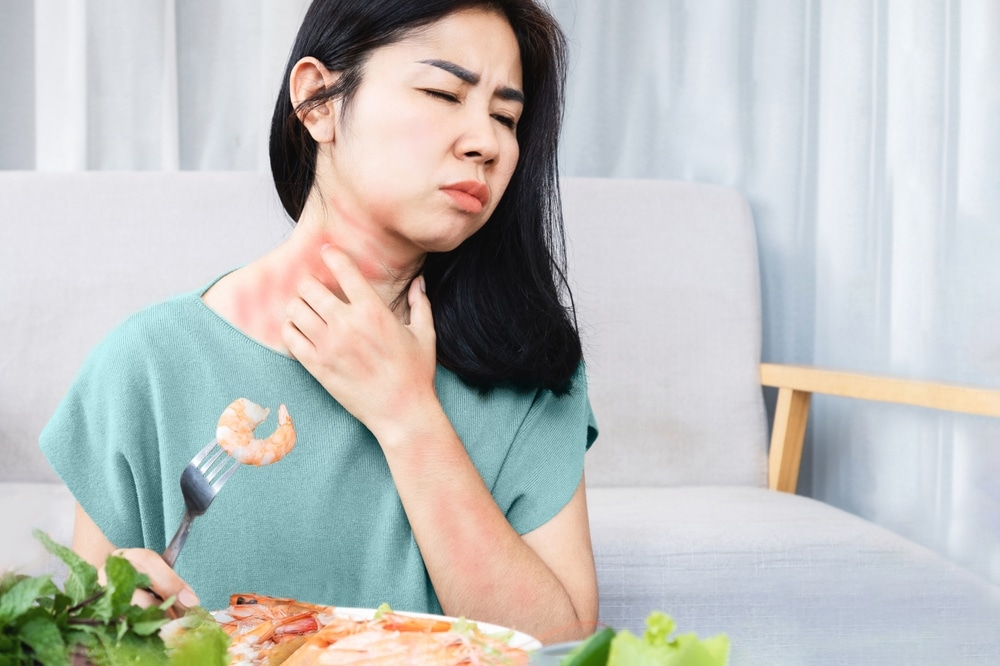
Symptoms can be mild to moderate-tingling in the mouth, skin rash, nasal congestion, vomiting, abdominal cramps, diarrhea, dizziness, swelling of the tongue and throat – or they can be very serious like anaphylaxis.

Anaphylaxis is the life-threatening complication. It is unpredictable and occurs suddenly making it potentially life threatening. One of the most dangerous symptoms of anaphylaxis is swelling of the throat, making it difficult or impossible to breathe, possibly resulting in acute cardio-respiratory distress. Other anaphylaxis symptoms include abdominal pain, vomiting, diarrhea, oedema of lips and tongue, diffuse skin rash, low blood pressure, elevated and abnormal heart beats, chest pain and faintness. If you know that you suffer from anaphylaxis, you should carry your Epi-Pen with you at all times.

However, most people confuse food allergies with food intolerance. There’s a difference between these two things. The latter does not involve the immune system, but rather a problem in the digestion process.


Most common food allergens
There are six common food allergens:

  • Milk
  • Eggs
  • Wheat
  • Nuts and beans
  • Shellfish
  • Fish

How to keep yourself safe from food allergies in Thailand
thai food allergies

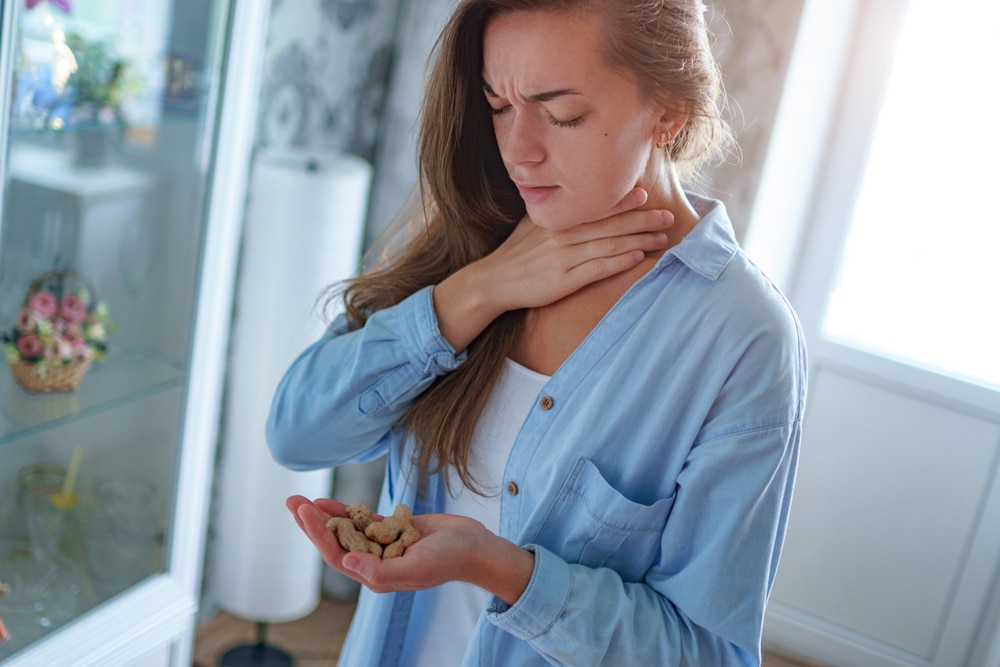
Certainly, Thailand is a haven for food lovers and well known for its street food. However, those with food allergies should be aware of what they eat because lots of Thai dishes contain food allergens. A lot of the most popular dishes, for example, Som Tam (spicy papaya salad), Tom Yum Kung (spicy and sour soup with shrimp), Pad Thai (fried noodle with peanut sauce), Kai Pad Mamuang Himapan (fried chicken with cashew nuts), Khai Jiao (Thai-styled omelette), contain a lot of the most common allergens.


Therefore, when eating out at restaurants or from a street vendor, you can reduce your risks by checking menus about ingredients or asking someone to help you understand the ingredients of each dish you want to eat. Below you can find some of the most common allergens and their Thai translation.

Food allergy is translated in Thai as ‘แพ้อาหาร’ (Pae-Ar-harn) or can be said in short as ‘Pae’.

If you are allergic to certain types of food. You can say in Thai “Phom (for male)/ Chan (for female)-Pae… that means “I am allergic to…”, and add the food that you are allergic to as follows:

  • ถั่ว (Tua) is nut
  • นม (Nom) is milk
  • ไข่ (Khai) is egg
  • แป้งสาลี (Paeng Salee) is wheat
  • กุ้ง (Koong) is shrimp
  • ปลา (Pla) is fish
  • ปลาหมึก (Pla Muk) is squid


Therefore, if you have doubts about the ingredients of your favourite dish, be sure to ask about both the ingredients and the way it is cooked to ensure food allergens are not included in the dish for your own safety.

Is an allergy test necessary for you?

In fact, there is no standard test to confirm or rule out a food allergy. Family background, type, and frequency of reactions, skin and blood tests usually form the diagnosis. Your doctor might ask you to skip a suspected food for a couple of weeks to see if the symptoms stop.

However, when it comes to an allergy test, there are several primary methods of testing for allergies as follows:

  • Skin test for allergy
  • Immunotherapy
  • Drug desensitization
  • Blood test for allergies

In Thailand, there are several allergy centers in leading private hospitals, mostly located in Bangkok. If you have healthcare insurance and suspect you are allergic to something it is worth getting yourself checked; but make sure if your insurance covers the allergy test or if it is claimable. Usually, health insurance will pay upon particular food allergy status based on the ICD-10-CM Diagnosis Code. 

If you have allergy symptoms, you can easily buy over-the-counter drugs which will typically help to reduce mild symptoms. If these drugs do not help your symptoms, then it is time to see your doctor.
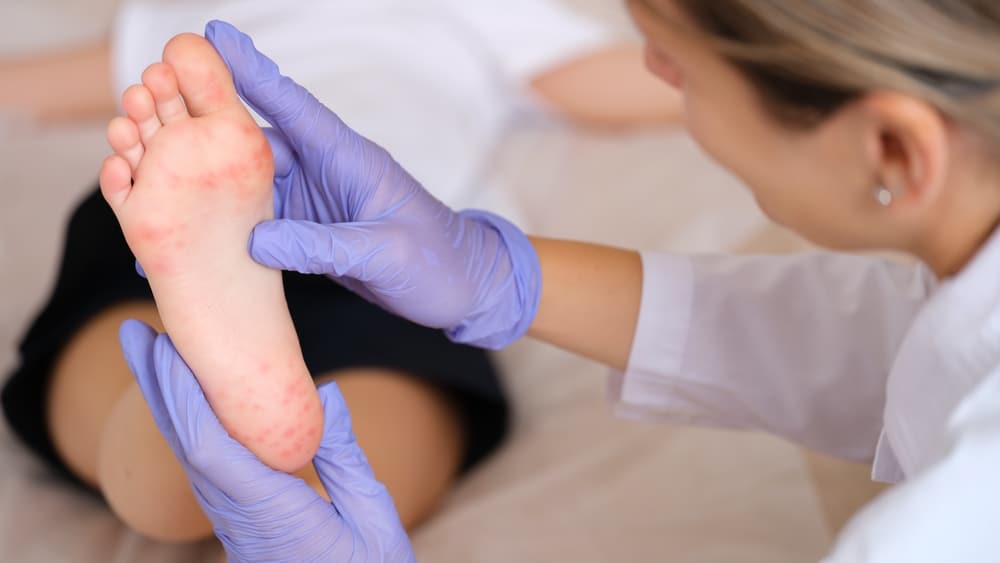
Hand Foot Mouth Disease: A guide for parents

hand foot mouth disease

Hand Foot Mouth Disease: A guide for parents

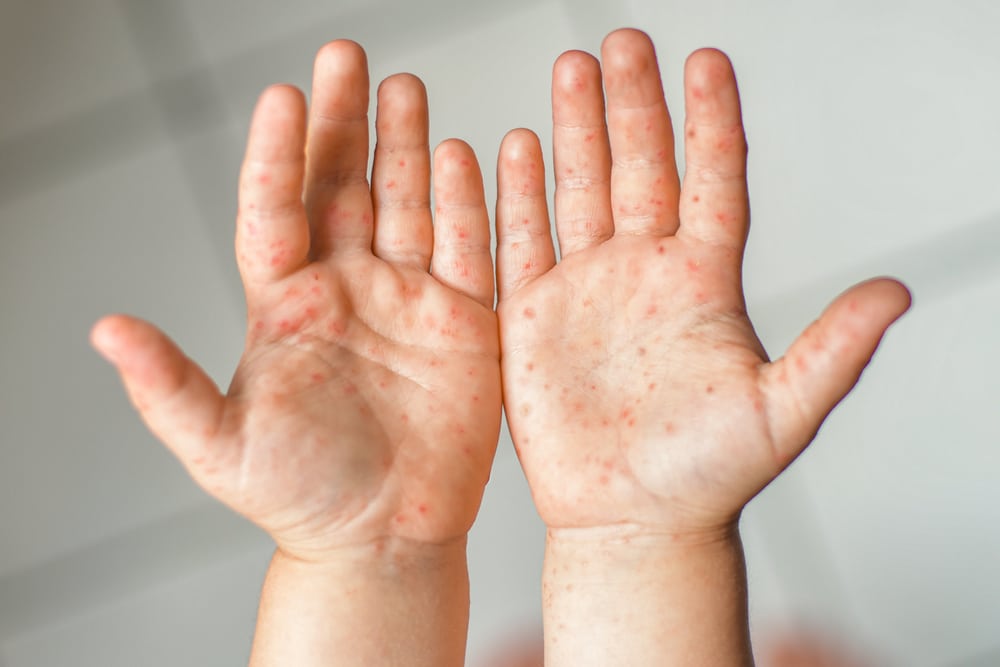
Hand Foot Mouth Disease (HFMD) is a common viral illness that predominantly affects young children. It is characterized by the development of sores or blisters on the hands, feet, and inside the mouth. HFMD is primarily caused by enteroviruses, with the most common culprits being Coxsackievirus A16 and Enterovirus 71.

HFMD is highly contagious and can spread easily from person to person, especially in crowded environments such as schools and daycare centers. The virus can be transmitted through close personal contact, respiratory droplets, and contact with contaminated surfaces or objects.

According to global statistics, HFMD is a significant public health concern. Each year, millions of cases are reported worldwide. For instance, in a study conducted in Asia, it was estimated that HFMD affected approximately 16 million individuals annually.

In specific regions, the incidence of HFMD can vary. For example, in a recent outbreak in a particular country, there were over 10,000 reported cases within a span of a few months. The majority of these cases occurred in children under the age of 5.

Common symptoms of HFMD include fever, sore throat, reduced appetite, and a rash or blisters on the hands, feet, and mouth. While most cases of HFMD are mild and self-limiting, some individuals, particularly young children, may experience complications such as dehydration or viral meningitis.

Sources: CDC, WHO

How does Hand Foot Mouth Disease spread?

HFMD is highly contagious and can spread through various modes of transmission. The primary routes of spread include:


  • Direct contact with nasal and throat secretions, saliva, blister fluid, or feces of infected individuals. This can occur through close personal contact, such as hugging, kissing, or sharing utensils
  • Indirect contact with contaminated objects and surfaces, such as toys, doorknobs, and utensils. The virus can survive on surfaces for several hours, allowing for transmission to occur when a person touches these surfaces and then touches their face
  • Respiratory droplets expelled through coughing or sneezing. This mode of transmission is more common in crowded places, such as schools and daycare centers
Hand foot mouth disease treament

Is Hand Foot and Mouth Disease Contagious?

Yes, Hand, Foot, and Mouth Disease (HFMD) is highly contagious, posing a significant challenge in controlling its spread, especially during the early stages of the illness when symptoms are most severe. Infected individuals can unknowingly transmit the virus to others even before they show visible symptoms, making it difficult to prevent its transmission.

The contagious nature of HFMD is a cause for concern, particularly in settings where young children are in close contact with one another, such as schools, daycare centers, and playgrounds. The virus can spread easily through various modes of transmission, including direct and indirect contact, as well as respiratory droplets.

Direct contact occurs when an infected person’s nasal and throat secretions, saliva, blister fluid, or feces come into direct contact with another person’s mouth, nose, or eyes. This can happen through activities like hugging, kissing, or sharing utensils, toys, or personal items.

How Do You Get Hand Foot and Mouth Disease?

Hand, Foot, and Mouth Disease (HFMD) primarily affects infants and young children, although individuals of any age can be susceptible. The virus enters the body through the mouth or nose, often transmitted via contaminated hands, objects, or surfaces. Close contact with infected individuals, exposure to respiratory droplets, and inadequate hand hygiene contribute to the acquisition of HFMD.

HFMD is highly contagious and can be transmitted through direct contact with infected individuals. The virus can be present in their nasal and throat secretions, saliva, blister fluid, and feces. Activities such as hugging, kissing, and sharing utensils can facilitate the transfer of the virus from one person to another.

Exposure to respiratory droplets expelled by infected individuals is another common mode of transmission. When an infected person coughs or sneezes, small droplets containing the virus can become airborne and potentially infect individuals in close proximity.

Inadequate hand hygiene practices can also contribute to the spread of HFMD. Touching contaminated surfaces or objects and subsequently touching the face, mouth, or nose can introduce the virus into the body. It is important to wash hands regularly with soap and water, especially after using the toilet, changing diapers, and before preparing or consuming food.

Children, particularly those in close contact with others, are more susceptible to contracting HFMD. Their immature immune systems and behaviors, such as putting hands and objects in their mouths, increase the likelihood of coming into contact with the virus. HFMD outbreaks often occur in crowded environments, such as schools and daycare centers, where the virus can easily spread among children.

Practicing good hygiene, including proper handwashing with soap and water, is essential to reduce the risk of contracting HFMD. Additionally, avoiding close contact with infected individuals and promoting awareness of HFMD symptoms can help prevent its spread.

What are Hand Foot Mouth disease Symptoms?

The symptoms of HFMD typically appear within 3 to 7 days after exposure to the virus. Common signs and symptoms include:

  • Fever
  • Sore throat
  • Painful mouth sores, often accompanied by a decreased appetite
  • Rash or blisters on the hands, feet, and sometimes buttocks

What are Hand Foot Mouth disease treatment?

Currently, no specific antiviral treatment is available for HFMD. The infection is usually self-limiting and resolves within 7 to 10 days without medical intervention. Treatment focuses on relieving symptoms and promoting comfort, including:

  • Ensuring adequate hydration by encouraging fluids.
  • Using over-the-counter pain relievers to alleviate fever and discomfort.
  • Employing topical oral analgesics for relief from mouth sores.
  • Implementing good hygiene practices to prevent secondary bacterial infections.

When to seek medical assistance?

While most cases of HFMD can be managed at home, certain circumstances warrant medical attention. It is advisable to seek healthcare advice if:

  • The fever persists beyond three days.
  • The mouth sores become severe, making it difficult to eat or drink.
  • The child shows signs of dehydration, such as decreased urination or excessive thirst.
  • The child appears lethargic, irritable, or experiences worsening symptoms. 

Hand Foot Mouth Disease continues to pose a significant threat, particularly among young children. It is essential to grasp the ways in which the disease spreads, its contagiousness, the associated symptoms, available treatment options, and the appropriate timing for seeking medical assistance. Effectively managing HFMD requires the implementation of preventive measures, the promotion of good hygiene practices, and the importance of obtaining adequate health insurance coverage, such as LUMA, to ensure timely and affordable medical care. By adopting these measures, we can effectively minimize the impact of HFMD and prioritize the health and well-being of children.

Sources: CDC, WHO

Hand Foot Mouth experienced by Lumanians

โรคมือเท้าปาก

My eldest son got it from mixing in the Kindergarten when he was around 2-3 years old. The school (international kindergarten) policy was to close the class if more than 2 HFM cases declared so they can clean everything and limit spreading within the class and to other classes. 

I admitted him to the hospital because he wouldn’t eat and would throw up everything he could take in. So to prevent dehydration, doctor recommended to admit so they could monitor my son and put him under IV. First baby so you’re worried about everything and anything… 

My family was insured with LUMA back then and everything was covered, no questions asked. Check out was very smooth and since Samitivej is within LUMA’s medical network, I didn’t have to pay anything upfront. 

Funny thing is that the family staying opposite of our room at Samitivej was the other kid from the same class who got HFM at the same time. So we were the 2 families who caused the class closure that week.

A few years later my second son had it when he was a bit over 1 year old, just right in time for the first lock down in Bangkok. I think he got it from his older brother who carried it from school. Symptoms were very mild, just a mild fever and some spots on the feet. That time I did not consult nor admit. Just monitored him at home, everything was fine. 

  • -Thuyvan (Marketing Department)

My nephew had hand foot mouth disease when he was around 2 years old. We noticed a red rash on his palms and noticed that he wasn’t eating properly. So, we decided to take him to the hospital to see a doctor. The doctor recommended admitting him for observation due to his symptoms.

During his stay, he had a fever, didn’t have much of an appetite, and cried a lot. I’m not exactly sure how long he stayed, but I think it was around 5 days.

  • -Yha (Claims Department)

Talk to our consultants for Health Insurance options for your child

Health insurance that covers hand foot mouth disease

What to do in case of emergency in Vietnam

Vietnam’s medical emergency service number: 115

Calling the emergency number of foreign-managed clinics or private hospitals is a wise option.

Despite the well-equipped, private tertiary hospitals in Hanoi and Ho Chi Minh City, the overall standard of healthcare in Vietnam is generally considered not satisfactory in most locations. For specific serious conditions, medical evacuation to Bangkok, Singapore or to the home country may be proposed. Counterfeits medicines are present in Vietnam. 

Urgent OPD visits are usually set in a foreign-managed clinic or private hospital. International clinics can organize medical evacuations to any oversea destinations.

Primary care locations Hanoi

General Hospitals in Hanoi

Primary care locations Ho Chi Minh City

General Hospitals in Ho Chi Minh City

National Anti-poison Centre

Related Readings

LUMA Care Application
Contact Us

Copyright © 2026 lumahealth.com. All Rights Reserved.   Privacy Policy & Terms of Conditions