
Dealing with Diabetes in Thailand

diabetes in thailand

Diabetes is a growing public health challenge in Thailand with a prevalence of 1 in 10 adult Thais diagnosed with diabetes. It is important to know that this illness is a lifelong problem, without cure but with proper care can be managed. Over time, diabetes can cause other  organ problems affecting the heart, blood vessels, eyes, kidneys and nerves.

What is Diabetes?

Diabetes (diabetes mellitus) is a condition where the body is unable to use the energy obtained from consumed foods. There are two types of diabetes; type 1 diabetes and type 2 diabetes. Type 1 diabetes also called insulin-dependent diabetes, is often discovered during childhood. This type of diabetes is caused when the body’s immune system or specifically the white blood cell mistakes the beta cells as a foreign invader. As an autoimmune response, it destroys beta cells in the pancreas that produces the insulin or it can also occur due to genetic predisposition. In diabetes type 1, the body is incapable of processing the glucose due to a deficiency of insulin and caused blood sugar levels to rise.

On the other hand, type 2 diabetes or non-insulin-dependent diabetes is the most common type of diabetes, responsible for 95% of diabetes cases among adults. Type 2 diabetes is a condition where the body’s cells are not able to react with the presence of insulin as they should. The insulin receptor did not respond and open up the cells to allow the glucose to enter it, causing the glucose to remain in the bloodstream. The body may also not generate enough insulin in the later stages of the disease. Type 2 diabetes used to be called adult-onset diabetes, but with the rising prevalence of obesity and overweight children, type 2 diabetes is now common in children also. Type 2 diabetes is milder than type 1 diabetes but still can cause major health problems.

How do we know if we have Diabetes?

Generally, the symptoms between these two types of diabetes are similar. The symptoms include:

  • Feeling thirsty
  • Feeling hungry
  • Frequent urination
  • Fatigue
  • Having a blurry vision
  • Sores or cuts that don’t heal well
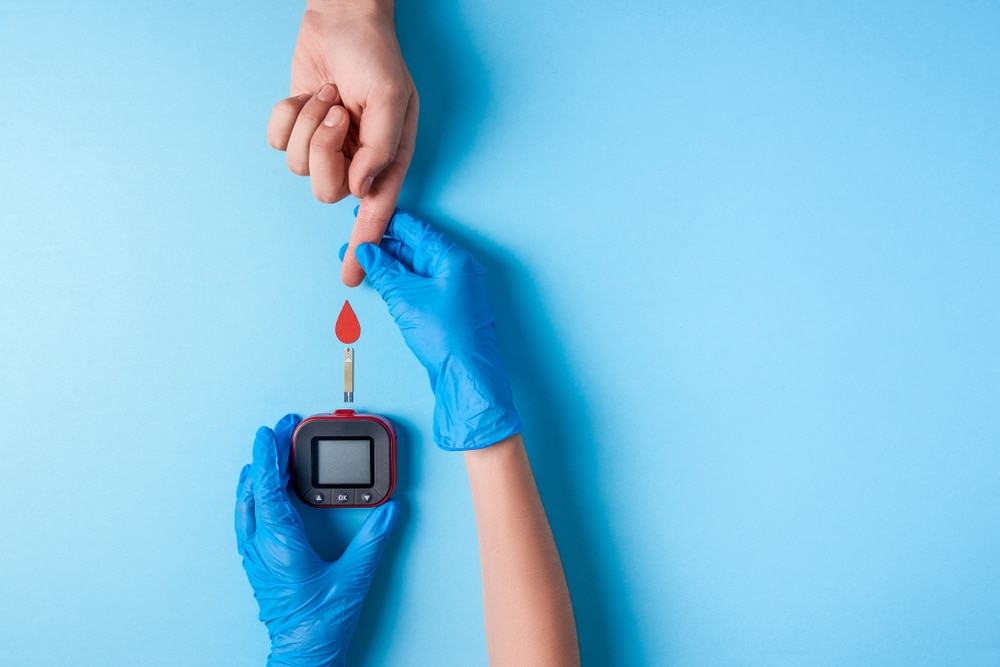
checking diabetes

Are there any differences in the symptoms between type 1 Diabetes and type 2 Diabetes? 

Type 1 diabetes sufferer may also experience further symptoms like irritability and mood changes as well as an unexplainable loss of weight. While people with type 2 diabetes may also sense numbness or tingling in their hands or feet. Even though the symptoms for both types of diabetes appear similarly, the way they present is different. People with type 2 diabetes commonly don’t have symptoms for years and the symptoms develop casually over the course of time. Some people don’t realize that they have type 2 diabetes until the complications develop, leading to a condition of undiagnosed diabetes. This should be a concern given the fact that young adults in Thailand were identified as having the least access to the national screening program to identify people with hyperglycemia (excess blood sugar levels), obesity and high blood pressure.

Diabetes is a long-lasting permanent condition with no cure currently available. In order to reduce the risk of developing diabetes it is important to make sure we are living a healthy life by monitoring what we are eating every day and how we exercise and sleep. Healthy eating is the most commonly suggested step to reduce the risk of type 2 diabetes. Reducing sugar intake in your daily meal plan by taking low-calorie foods as well as reducing the consumption of animal fats and junk food. Choose foods with high nutritional value and be careful not to overeat. Foods such as vegetables, legumes, fruits and whole grains are rich in fibre while tuna, salmon, mackerel, cod or sardines are good sources of omega-3 fatty acids which are also good for your heart. You can still consume dairy products but opt for low-fat contents. Be moderate in consuming food with a high level of carbohydrates and fat. Limit or avoid foods with high content of sugar, fat and sodium such as processed meats, baked goods, sugary drinks, high-fat dairy products, processed snacks, salty foods and fried foods.

fried chicken thailand

How can Diabetes be treated?

People who suffer type 1 diabetes don’t produce enough insulin. They must inject the insulin through soft tissue into the body regularly several times per day. Some use the insulin pumps to supply a constant amount of insulin into the body through a small tube. For type 2 sufferers, their condition can be controlled with a balanced diet and exercise. But the doctor may prescribe medications for those who need extra support for their body to utilize insulin effectively.

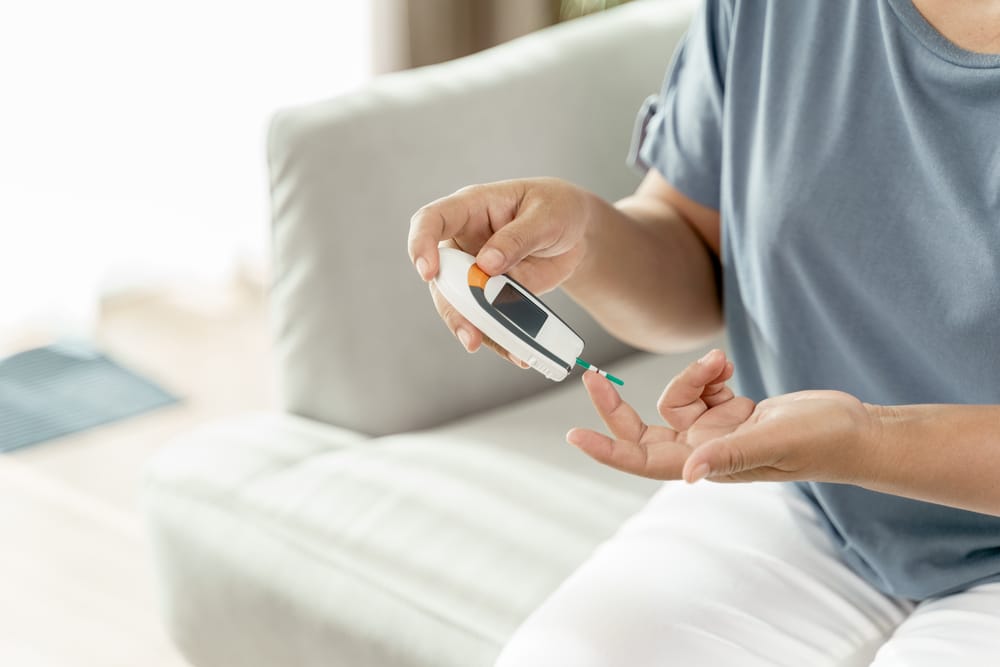
Apart from insulin injection, a balanced diet plan and exercise, monitoring your blood sugar is also a crucial part of diabetes management. It is the only way for you to know if you are meeting your target levels. By monitoring your blood sugar using the glucometer, you will be able to know when your body needs the insulin injection, besides monitoring signs of too low or too high blood sugar. A flash glucose monitoring system can also measure your sugar levels continuously all the time. It does not actually measure the level of blood sugar but the sugar amount in the fluid under your skin called interstitial fluid. The system consists of a sensor (to stick to your arm) which last for 14 days and a reader to scan the sensor to see your sugar levels. You still have to do a finger-prick check as the flash system readings are a few minutes behind the blood sugar levels.  
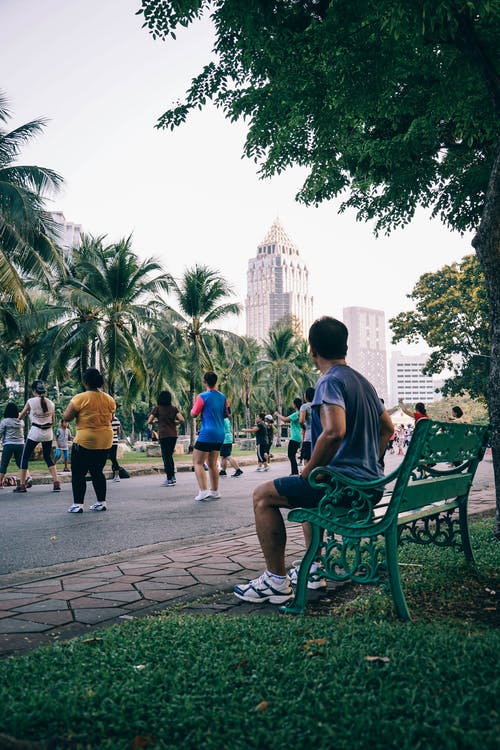
Lumpini Exercise

Doctors may also prescribe several medications to help the body in controlling the blood sugar level. Some of the medications include:

  • Sulfonylureas: help your body to produce more insulin
  • Metformin: acts to lower the blood sugar levels and improve how your body responds to insulin
  • Thiazolidinediones: help your body more sensitive to insulin
  • Meglitinides or glinides: help trigger your pancreas to dispense more insulin
  • Dipeptidyl peptidase-4 inhibitors: milder medication to reduce blood sugar levels
  • Glucagon-like peptide-receptor agonists: slow the digestion and improve the levels of blood sugar
  • Sodium-glucose cotransporter-2 inhibitors: help the kidney to avoid from reabsorbing sugar into the blood

All these medications have their own side effects and people with diabetes may take some time to discover the best medications which suit their diabetes. Equip yourself with preventive steps from acquiring diabetes with a healthy lifestyle as diabetes may decrease your quality of life and increase the cost of living.

If you are interested to learn more about other diseases that are commonly found in Thailand, check out our article about Thailand’s common diseases.

Read our guide on choosing the best health insurance in Thailand or speak to our team to get a quote to take your first steps to change.

Air Quality in Thailand: A guide to PM 2.5 Levels in Thailand

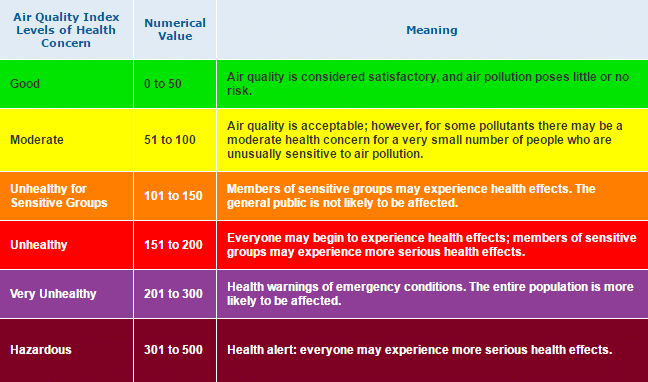
Air quality is a significant concern globally, and Thailand faces challenges with air pollution, particularly during the cooler months from December to January.

This article, reviewed by Dr. Gerard Lalande, Chief Medical Officer at LUMA, will delve into the issue of air quality in Thailand, focusing on the impact of fine particulate matter (PM2.5), its sources, and strategies for mitigating pollution.

Picture of Dr. Gerard Lalande
Dr. Gerard Lalande

Fact Checked

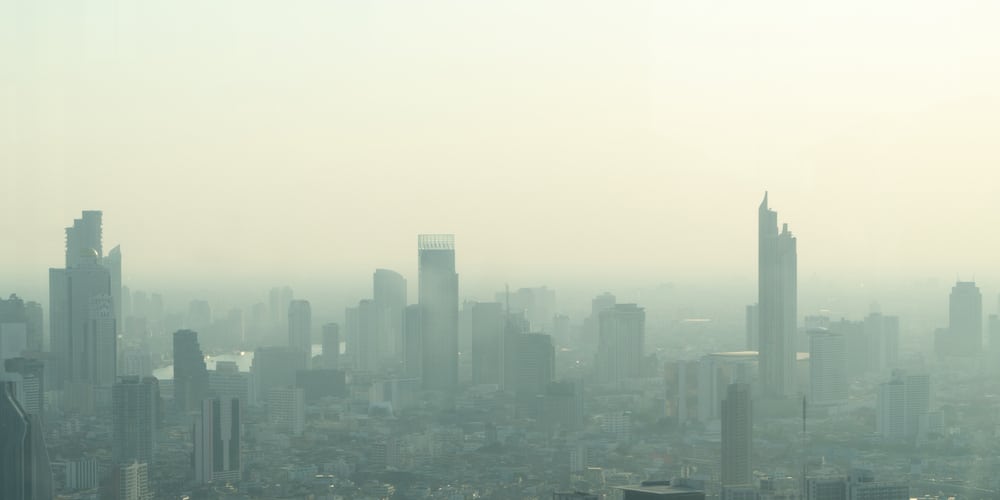
Pm 2.5 air quality thailand

What is PM 2.5?

PM 2.5 refers to fine particulate matter with a diameter of 2.5 micrometers or smaller. These particles are tiny and can easily enter the respiratory system, posing potential health risks. They can come from various sources, including combustion processes, vehicle emissions, industrial activities, construction, and agricultural burning.

air quality thailand

What is the source of PM 2.5 in Thailand?

The main sources of PM 2.5 in Thailand include:

  • Vehicle emissions: Traffic congestion and a high number of vehicles contribute significantly to PM 2.5 levels, especially in urban areas.
  • Industrial emissions: Industrial processes and emissions from factories and power plants release particulate matter into the atmosphere.
  • Agricultural burning: Open burning of agricultural waste, such as crop residue and forest clearing, releases significant amounts of PM 2.5.
  • Construction activities: Dust generated from construction sites can contribute to elevated PM 2.5 levels in nearby areas.


How does PM 2.5 affect your health?

Exposure to high levels of PM 2.5 can have detrimental effects on human health. These tiny particles can penetrate deep into the lungs and even enter the bloodstream, causing various health issues. Some of the health impacts associated with PM 2.5 exposure include:

  • Respiratory problems: PM 2.5 can aggravate existing respiratory conditions, such as asthma and chronic obstructive pulmonary disease (COPD). It can also cause respiratory symptoms like coughing, wheezing, and shortness of breath.
  • Cardiovascular effects: Fine particles can trigger cardiovascular problems, including heart attacks, strokes, and an increased risk of cardiovascular diseases.
  • Irritation and inflammation: PM 2.5 can irritate the eyes, nose, and throat, leading to discomfort and inflammation.
  • Adverse pregnancy outcomes: Pregnant women exposed to high levels of PM 2.5 may face an increased risk of preterm birth, low birth weight, and developmental issues in infants.
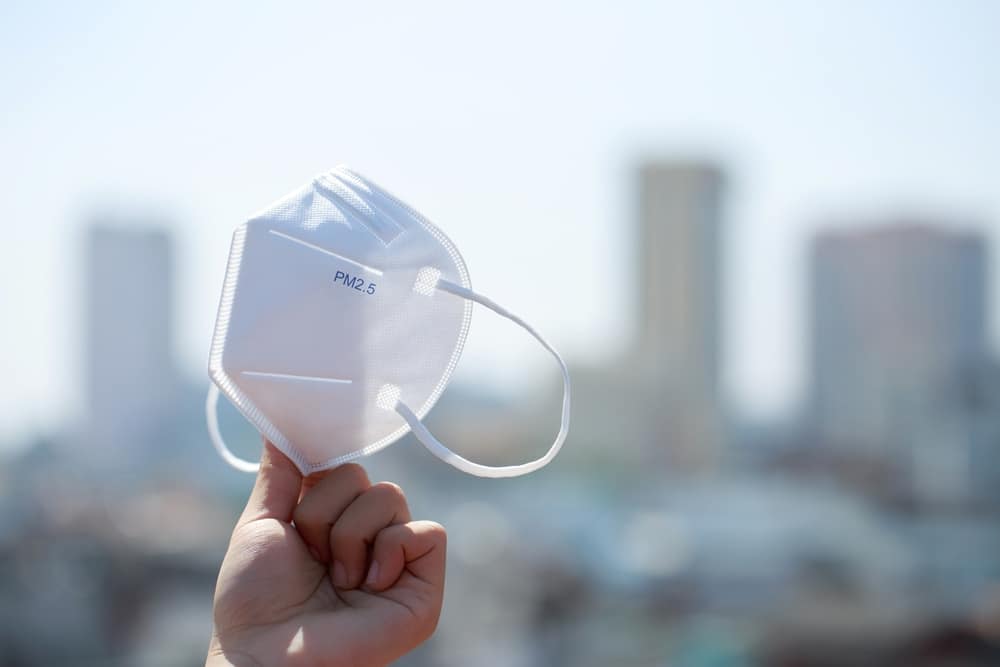
mask pm2.5

How is Thailand monitoring PM 2.5?

To assess air quality and monitor PM 2.5 levels, Thailand has established a network of monitoring stations across the country. These stations measure the concentration of PM 2.5 particles in the air. Real-time data is available to the public, allowing individuals to stay informed about the current air quality situation in their area.

The Department of Pollution Control, Ministry of Natural Resources and Environment, Thailand provides up-to-date information on air quality and PM 2.5 levels through their official website and mobile applications. PCD

Recognizing the seriousness of air pollution, the Thai government has implemented various measures to reduce PM 2.5 levels and improve air quality. Some initiatives include:

  • Promoting clean energy sources: Encouraging the use of renewable energy and reducing dependency on fossil fuels can help decrease pollution from power generation.
  • Enhancing emission standards: Stricter vehicle emission standards can help reduce pollutants from vehicle exhausts, including PM 2.5.
  • Implementing air quality control measures: The government has introduced regulations and measures to control emissions from industries and construction activities.
  • Raising public awareness: Educating the public about the health risks of air pollution and promoting individual actions to reduce emissions can contribute to improving air quality.


How to Protect Yourself from PM 2.5 in Thailand?

While the government takes steps to address air pollution, individuals can also take measures to protect themselves from the harmful effects of PM 2.5. Here are some recommendations:

  • Stay informed: Regularly check the air quality index and PM 2.5 levels in your area through official sources or reliable mobile applications.
  • Limit outdoor activities: When the air quality is poor, reduce outdoor activities, especially during times when PM 2.5 levels are high.
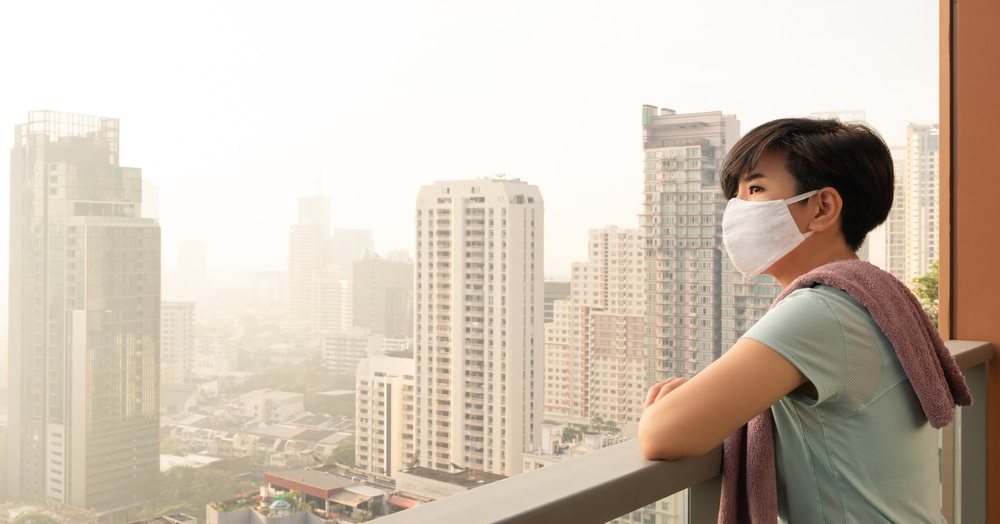
  • Use protective masks: When necessary, use masks specifically designed to filter PM 2.5 particles when outdoors.
  • Improve indoor air quality: Keep indoor environments clean and well-ventilated. Use air purifiers if needed, and avoid activities that generate indoor pollution.

PM 2.5 pollution is a significant concern in Thailand, impacting the health and well-being of its population. By understanding the sources, health impacts, and government initiatives, individuals can take proactive steps to protect themselves and contribute to improving air quality. Regular monitoring, awareness, and collective efforts are essential in combating air pollution and ensuring a healthier future for all.

How Much Does Dental Care Cost in Thailand?

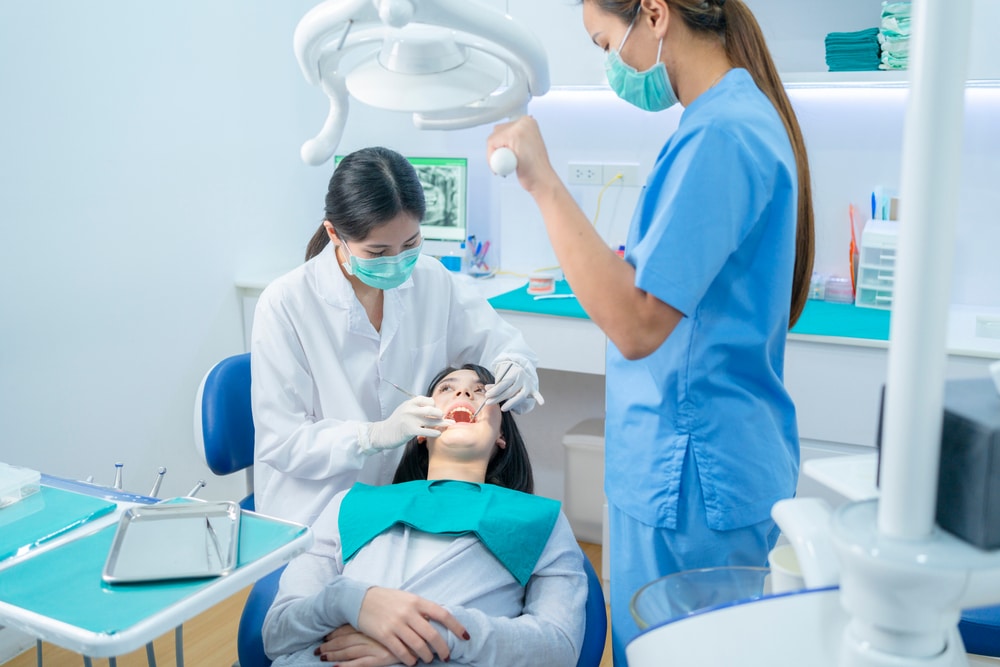
Dental problems are quite common and can cause a big inconvenience or concern when you are living in another country. Symptoms vary a lot but often start with slight pain which can become increasingly strong over a short period of time.

Regular oral screening is recommended to reduce the risk of health conditions such as diabetes, heart diseases, respiratory conditions, and rheumatoid arthritis which can be caused by poor oral health and gum disease. Therefore, it is a good idea to see your Dentist immediately when you experience any discomfort or change in sensation in your mouth or teeth.

Being in a foreign country you are probably wondering: Is dental care quality in Thailand good? Are dentists in this country safe? How much do they cost? Where should I go? This guide shows how to pick the right dentist in Thailand, where to go for general and complex treatment, and how much it costs.

Dental Cost in Thailand

Where to find best dentists and dental clinics in Thailand

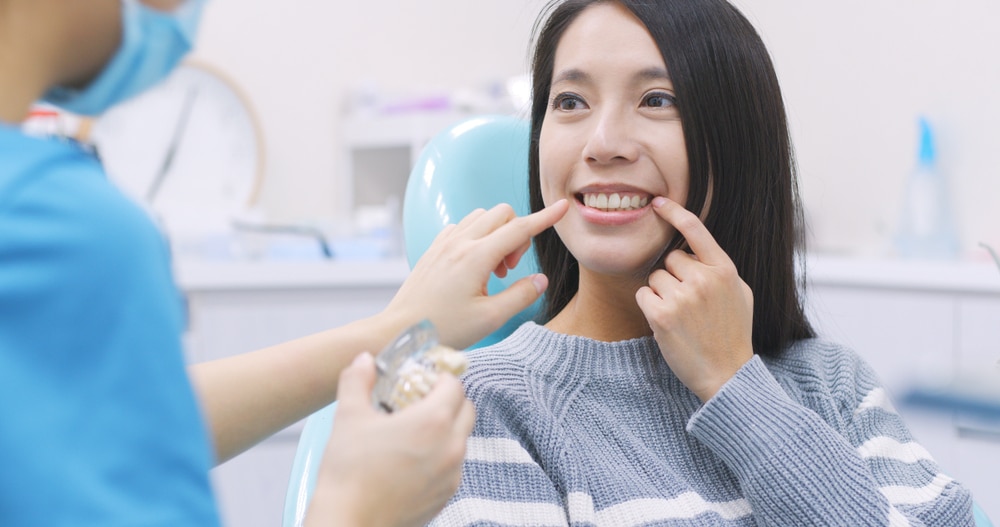
Bangkok is a popular destination to get your teeth treated, with many people travelling to Thailand for dental tourism. Thai Dentists in Bangkok typically work in clean clinics with safe, state of the art modern equipment and offer rates lower than what you pay in other countries.

For dentists, you have two choices for dentists in Bangkok: general dentists and specialists. General dentists can treat your teeth for cleanings, fillings, removals, checkups. Meanwhile, specialists deal with complex procedures.

Dental Cost Thailand

Regarding dental clinics, you have four choices:

  • Brand-name dental clinics specialise in general and complex dental procedures and have branches throughout Bangkok. When compared to privately-owned clinics, brand-name dental clinics offer better facilities and more modern equipment, and they cater to more expats.
  • Privately-owned clinics can generally be found on the streets and inside malls of Bangkok. This type of clinic can handle general procedures and might be able to do complex procedures depending on the dentist and the equipment.
  • Dental schools are the best choice if you want to pay less, but it usually comes with a long waiting time and poorer service level.
  • Dental Hospitals – you can see a dentist at government and private hospitals in Bangkok. Facilities, qualities, and prices depend on each hospital.

Estimated prices for dental treatment and cosmetic dentistry in Thailand at leading clinics

ClinicCrownsRoot canalsDental ImplantsDental Implants
BIDC10K – 20K9K to 15K33K to 60K60K to 195K
Truth Dental Clinic8.2K to 20K8K to 16K45K to 85K55K to 195K
iDentist Clinic9K to 20K 5K to 9K55K to 80K38K to 170K
PMDC15K to 17K8K to 12K75K85K to 180K
Chulalongkorn University Dental School8K to 16K5K to 8K70K52K to 160K
Mahidol University Dental School7K to 8K5K to 8K50K-

It is noticeable that prices of dental care in Thailand have been quite stable over the last 5 years. The only exemption from stable prices, are the oral surgery procedures, which increased in price over the last two years due to an increase in demand.

When comparing prices for different locations it can often be worthwhile seeking a second medical opinion, not only regarding prices, but also whether an altogether less expensive treatment might suffice. In this regard, it is good to note that initial evaluation (and most dental X-rays) are not expensive, so you do not waste a lot of money getting different opinions.

Often for dental treatments you are required to pay all or part of the procedure upfront and most standard insurance plans do not cover the cost of dental procedures, however some companies offer more comprehensive coverage. It is best to check with your insurer if your dental care is covered.

Dental care cost under the healthcare scheme in Thailand

If you work legally in Thailand you’re entitled to Social Security benefits. You get dental coverage with these annual limits per treatment:

  • 900 baht for tooth removal, filling, and cleaning combined
  • 1,500 baht for prosthodontic treatment of a few teeth
  • 4,400 baht for prosthodontic treatment of all teeth

Social Security has a network of thousands of dental clinics across the country where direct billing is performed. If you get dental work done at these clinics, you don’t need to pay anything up front if the price is under the coverage limits mentioned above.

Most insurance companies offer dental coverage as an add-on. But you might have to wait nine to 24 months before you can use your dental coverage. Dental coverage from private insurance gets you a higher limit and coverage for all dental treatments, on top of covering your healthcare as well. 


Enquire for Health Insurance in Thailand covering Dental Treatment. 

LUMA Care Application
Contact Us

Copyright © 2026 lumahealth.com. All Rights Reserved.   Privacy Policy & Terms of Conditions