
Thailand Etiquette and Customs to Know

Thailand is a beautiful and culturally rich country, known for its stunning beaches, delicious food, and friendly people. However, as with any country, it’s important to understand and respect the local customs and etiquette. In this article, we’ll explore some important etiquette do’s and don’ts in Thailand, as well as some cultural norms to be aware of.

Thailand

Thailand Etiquette Do’s ✅

Greet with a Wai

The traditional Thai greeting is called a “wai”, which involves placing your palms together in a prayer-like gesture and bowing your head slightly. This is the most common form of greeting in Thailand and is used to show respect and gratitude. When in doubt, it’s always best to greet someone with a wai.


 Remove Your Shoes

In Thailand, it is customary to remove your shoes before entering someone’s home, a temple, or even some shops. Just simply ask if you’re unsure, they get these questions from tourists all the time. It’s also important to note that you should never point your feet at someone, as this is considered rude. (not while standing but raising and pointing)


Dress Modestly When Visiting a Temple

Thailand is a predominantly Buddhist country, and as such, it’s important to dress modestly out of respect for the culture and religion. This involves ensuring that you cover your shoulders and knees, particularly when visiting temples or other religious sites. It’s also a good idea to avoid wearing revealing clothing in these situations. There is a time and place in Bangkok but not in religious sites.


Use Your Right Hand

In Thai culture, the left hand is considered unclean, so it’s important to use your right hand for all interactions, including handing over money, receiving items, and eating. This is especially important when dining, as it’s considered rude to use your left hand to handle food.


Show Respect for Monks

Monks hold a special place in Thai society, and it’s important to show them respect. When in the presence of a monk, it’s customary to lower your head and avoid making direct eye contact. If you’re a woman, it’s also important to avoid touching a monk or handing them anything directly.


Thailand Etiquette Don’ts 

Don’t Touch People’s Heads

In Thai culture, the head is considered the most sacred part of the body, and it’s considered rude to touch someone’s head, even playfully. This is especially important to remember when interacting with children, as it’s common for Westerners to ruffle a child’s hair, but this is considered disrespectful in Thailand.


Don’t Disturb the Peace

Thais value harmony and avoiding confrontation, so it’s important to keep your voice calm and avoid raising it in public. This is especially important when dealing with any issues or conflicts, as getting angry or aggressive will only make the situation worse. Even if you are not angry but just having a good time with a group of friends, be mindful of others in public, as all Thais follow this as well.


Don’t Show Affection in Public

While it’s common for couples to show affection in public in Western countries, this is not the case in Thailand. Public displays of affection, such as kissing or hugging, are considered inappropriate and should be avoided.


Don’t Disrespect the King or Royal Family

The Thai monarchy is highly revered in Thailand, and it’s considered extremely disrespectful to speak ill of the king or any member of the royal family. It’s also important to note that it’s illegal to deface or damage images of the king or royal family, so be mindful of this when handling money or other items with their image on it.


Cultural Norms

Smile Often

Thailand is known as the “Land of Smiles”, and for good reason. Smiling is an important part of Thai culture and is seen as a way to show friendliness and approachability. So don’t be afraid to smile and greet people, even if you don’t know them.


Show Respect for Elders

In Thai culture, elders are highly respected and hold a special place in society. It’s important to show respect to older people, even if you don’t know them. This can be done through a wai or by using polite language and gestures.


Don’t Point Your Feet at Buddha Images

When visiting temples or other religious sites, it’s important to show respect for Buddha images. This means not pointing your feet at them, as this is considered disrespectful. If you’re sitting on the ground, make sure your feet are tucked behind you or to the side.


By understanding and following these etiquette do’s and don’ts, as well as being aware of cultural norms, you can show respect for Thai culture and make the most of your visit to this beautiful country. Remember to always be polite, smile, and show respect for the local customs and traditions.
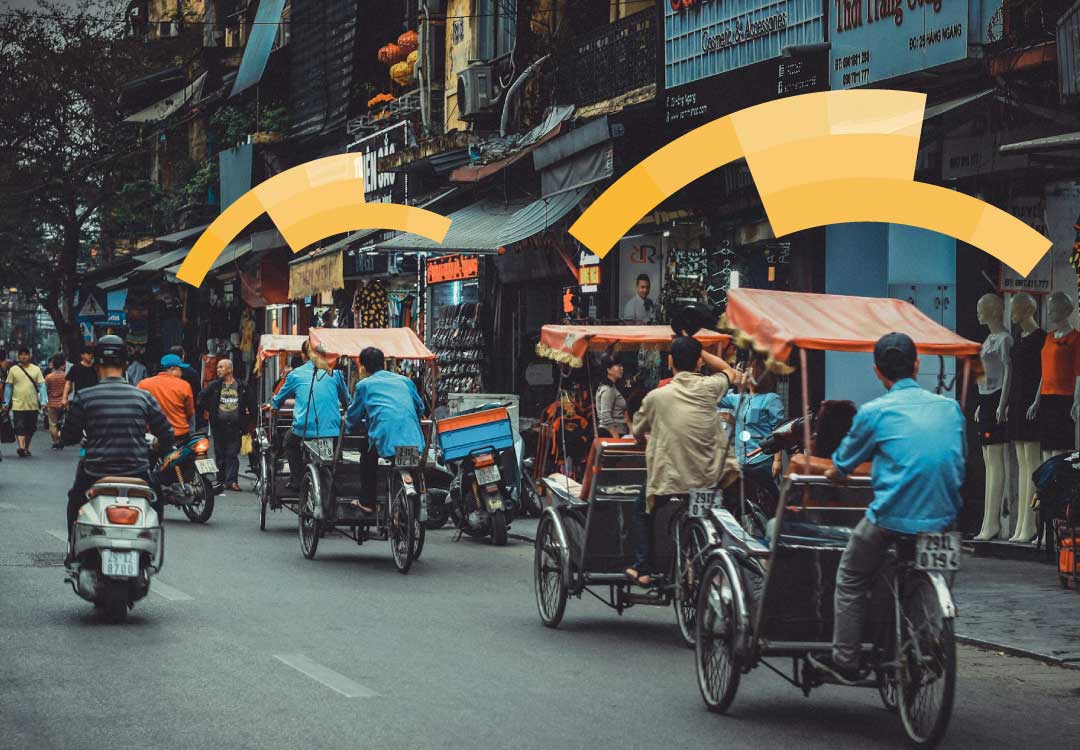
Best Sim Card in Vietnam for Tourists: 2024 Guide

The top Tourist SIM Cards for 2024 are:

  • Viettel Tourist SIM: Tour 60 15-day 5GB Max Speed data plan for 60.000 VND
  • VINAPHONE Tourist SIM Card: R1 30MB-day for 50.000 VND
  • MobiFone Tourist SIM Card: SSEA1 15GB Max  Speed data plan for 500.000 VND
best tourist sim card Vietnam

When you arrive in Vietnam, you will be surprised by the conveniences for international travelers. The first thing you can see is that you can easily purchase a tourist SIM card anywhere. Below are the typical types of tourist SIM cards available in Vietnam.

Types of tourist SIM cards in Vietnam.

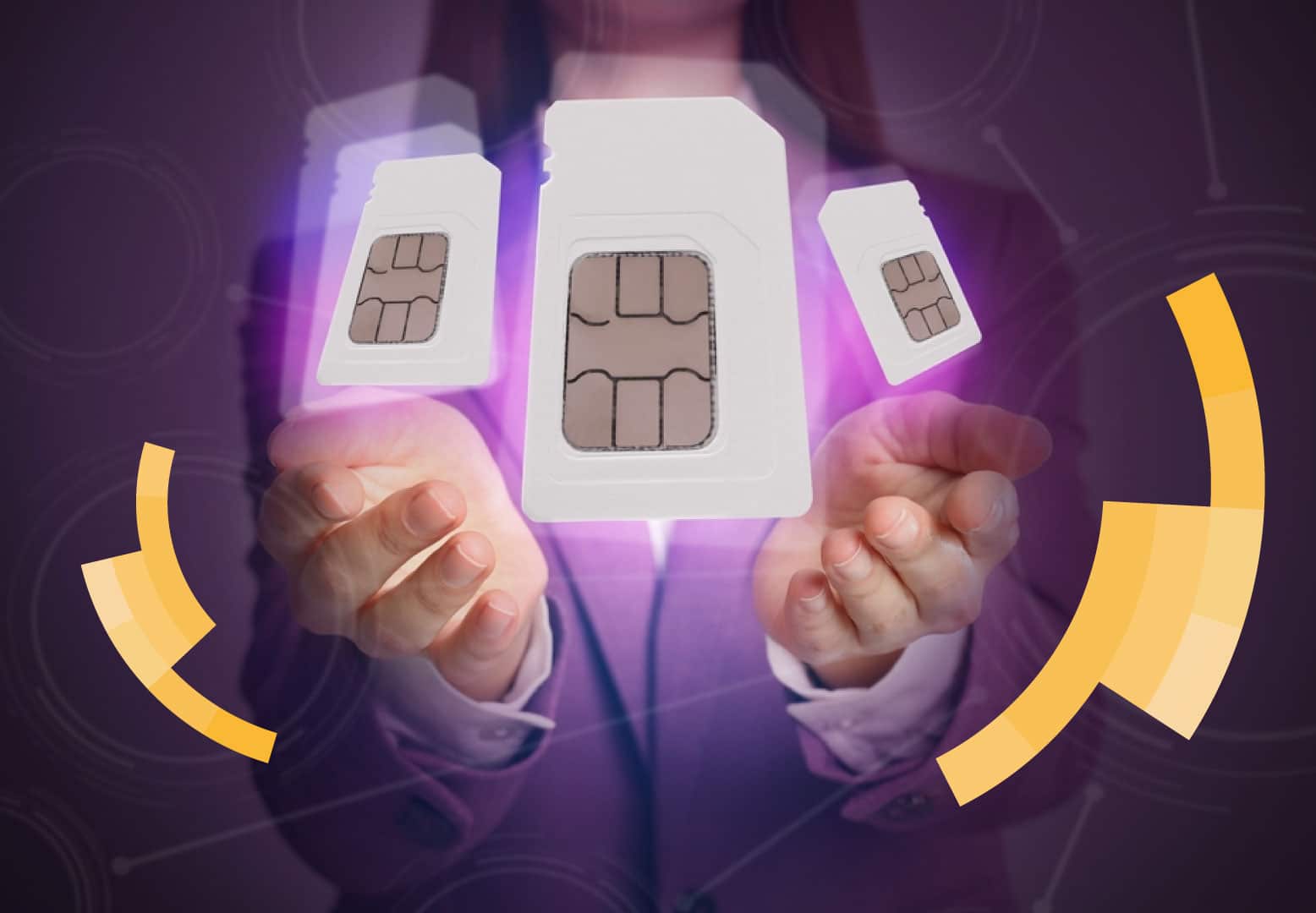
There are several types of tourist SIM cards available in Vietnam, depending on the purpose of use:

  • Data-only tourist SIM cards: These SIM cards are designed specifically to provide mobile data for internet access.
  • Voice-only tourist SIM cards: These SIM cards offer calling services, allowing users to make and receive calls.
  • Comprehensive tourist SIM cards: These SIM cards provide both calling services and data allowances for internet connectivity to meet various personal needs.
  • The network providers offer tourist SIM cards/international SIM cards in Vietnam.

The best tourist SIM card in Vietnam

In Vietnam, there are many types of tourist SIM cards available on the market. But if choosing the most suitable SIM for your trip becomes difficult, don’t worry. Below are the 3 best types of tourist SIM cards when you travel to Vietnam.

1. Viettel Tourist SIM

The first SIM card on the list is Viettel Tourist SIM. Viettel is the most trusted and widely used network provider in Vietnam. They frequently offer deals for on-net calls and provide free 4G/5G Viettel usage.

See packages and rates of Viettel Tourist Sim Card on Viettel website. 


2. VINAPHONE Tourist SIM Card

Similarly to Viettel, the Vinaphone tourist SIM card is one of the most popular SIM cards in Vietnam. Vinaphone network has international partnerships with 19 countries (21 networks), covering most of the favorite destinations for Vietnamese travelers, including: Australia, the United States, China, Thailand, Egypt, France, Germany, Italy, Hong Kong, Indonesia, Japan, South Korea, Laos, Cambodia, Malaysia, Singapore, Switzerland, Taiwan, UAE.

See rates and packages of Vinaphone Tourist SIM Card on Vinaphone website.


How to register for a tourist SIM card with Vinaphone:

When using the Vinaphone Tourist SIM card, you only need to subscribe to Vinaphone Roaming packages and activate international roaming services to use all the preferential packages offered by this network.

After successful registration, compose a text message with the following syntax to register for the usage package:

DK send to 9123.


3. MobiFone Tourist SIM Card

Unlike other types of SIM cards, MobiFone tourist SIM cards are often used for data access with various attractive packages. MobiFone provides access to almost all territories with nearly 500 network operators to offer the best quality mobile information services for foreign tourists visiting Vietnam.

See packages of MobiFone Tourist SIM Card and rates on MobiFone website.


How to use international SIM with MobiFone:

MobiFone offers tourist packages when purchasing an international SIM card. To use, users need to subscribe to packages as follows:

Type: DK CVQT send to 999 or 0931#
Or DK CVQT ALL send to 999 or press 0932#

best sim card vietnam

Where to buy a tourist SIM card in Vietnam

Owning a quality tourist SIM card makes your trip much easier. In Vietnam, it’s not difficult to find a tourist SIM card vendor. In fact, you can even order online and have it delivered right to your doorstep. Below are simple ways for you to obtain a tourist SIM card in Vietnam.

Purchase at retail locations of network providers

If you get lost in Vietnam, don’t worry, just find and ask any local person for the nearest SIM card store and you will find it. Currently, all network providers in Vietnam distribute their retail locations nationwide. You can easily find Viettel Stores when traveling in Vietnam. Retail locations of network providers such as VinaFone or Mobifone are also very common.

Buy SIM cards at the airport

This is the quickest and simplest way. For serving foreign tourists upon entry into Vietnam. All international airports in Vietnam such as Noi Bai International Airport, Tan Son Nhat International Airport, etc., have tourist SIM card counters located at the airports. All you need to do is just ask the airport staff where the registration area is.

Buy SIM cards at some telecommunications service business stores

Similar to 7-Eleven in many Asian countries, well-known retail chains in Vietnam like Cellphone S, FPT, The gioi di dong… now also offer tourist SIM cards. They provide a full range of SIM cards from network providers such as Viettel, MobiFone, Vinaphone… And especially, you can register online through their hotline.


Tips to select a SIM card for your trip to Vietnam 

Choosing tourist SIM cards with large data allowances.

When visiting a new country, you often use your phone to explore, access information about famous landmarks. Along with that, in Vietnam, there are many conveniences for transportation, ordering food, booking hotels… Everything requires access through phone data, so owning a tourist SIM card with high-speed access is essential.

Reduce data usage by using  free Wi-Fi wherever you go.

Check compatibility between your phone and the SIM

Make sure the tourist SIM card you purchase fits the SIM slot on your device. If you plan to travel to multiple countries in one trip, you should choose to buy a global tourist SIM card instead of buying SIM cards in each country. This will save you a lot of costs!

Consider activation, deactivation, and top-up requirements for the tourist SIM card

Before purchasing a tourist SIM card, carefully research how to activate, deactivate, and top up the account or extend the SIM card. Some tourist SIM cards may activate automatically, while others may require manual activation steps. To ensure a smooth usage process, you need to understand these details.

Read the terms and conditions of use for the tourist SIM card

Before buying a tourist SIM card, read the terms and conditions of use provided by the network provider. This helps you understand the limitations and conditions when using tourist SIM card services, including data limits, call limits, messaging, and fee terms. If there is any point you do not understand or need further clarification, ask the seller before purchasing the SIM.


Tourist SIM cards are one of the indispensable tools for any traveler in Vietnam. To enjoy a wonderful trip, let’s explore more useful tips on choosing the best tourist SIM card in Vietnam. Hopefully, with this information, you will be able to choose the appropriate SIM card for your upcoming overseas trips!

Health Check Up: Essential Exams you must do in 2026

No matter your age, an essential preliminary task is to find the right primary care physician and establish your medical history with them, especially when living abroad. Getting baseline readings on your blood pressure, cholesterol levels and body mass index will help the doctor spot anomalies later – particularly if you make them aware of health conditions within your family history.

If this means you need to ask your relatives about family health, then ask. We each inherit quite a lot from our family members, including the likelihood of developing genetic diseases. Any attempt to organise each medical test by age should account for family history and current symptoms.

Gerard Lalande LUMA

Not every event is completely preventable and avoidable. However, being proactive early can minimize if not prevent from happening in the first place.

Dr. Gerard Lalande, Chief Medical Officer at LUMA

Importance of regular health check ups

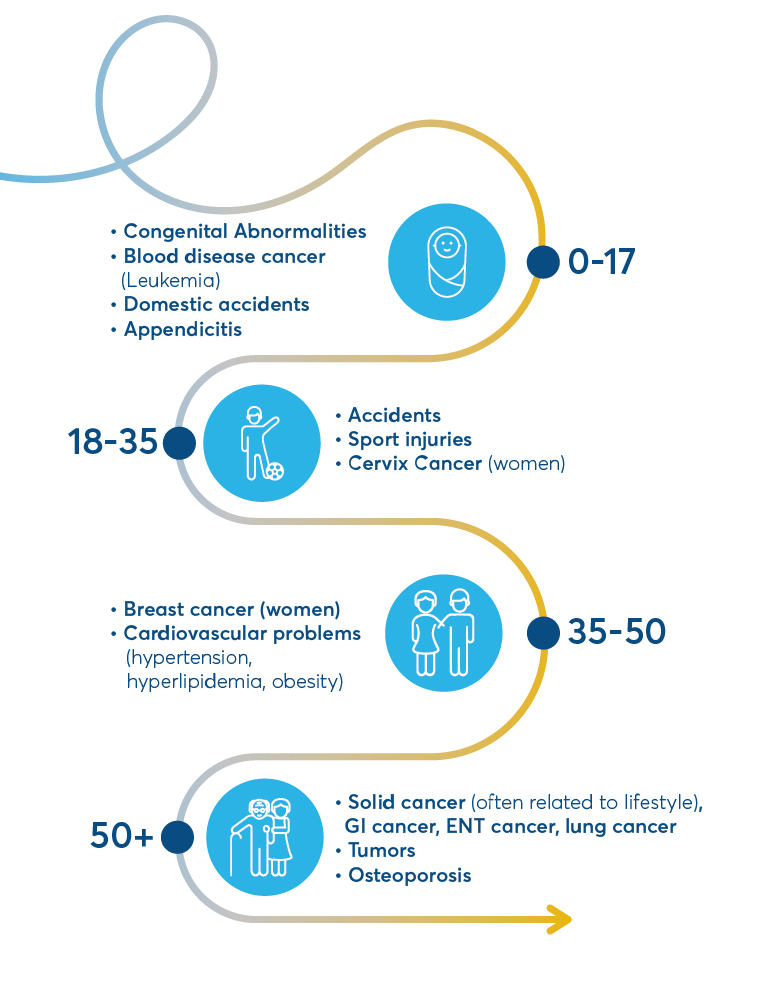
Every stage in life comes with its own joys and challenges. Making the most of each year requires a positive mindset, strong social connections, exciting activities to take part in – and good overall health.

A balanced diet and regular or annual health checkups can make this last part easier to keep an eye on, but there are other steps worth taking as well. Certain types of illnesses and other health conditions become more likely at specific periods in life, and there are many age-related health checkups available that can provide a valuable early warning time if you are at risk.

From your teens onwards, let’s look at each recommended medical test by age, so that you can help prevent potential issues before they occur.

Health Check Up

What Health Check Up should I get?

Health Check Up for 15-30 years old

Testicular cancer most commonly arises between the ages of 25-34, and so young men should begin doing occasional self-exams from 20 years old onwards.

Young women should also begin having pap smears every three years from the age of 21, as cervical cancer is the most common tumour among young women. From 30 onwards, it should be done every three years until the age of 65. Self breast exams are also recommended and should be followed up on with a doctor if any issues become apparent.

When men or women start to become sexually active, it is essential to start getting checked for sexually transmitted diseases. The longer an STD goes without being diagnosed and treated, the more harm it can do over time.

As we become ever more glued to our screens, it is vital to protect our sight. Eye exams should also be performed once every two years, beginning in early adulthood, to check for vision issues as well as eye health. After 45 years of age, annual eye check is necessary.

The skin should also be checked regularly for new spots, freckles and moles, which may be an early indicator of skin cancer. Skin cancer is a serious risk for people who spend time in sunny environments, particularly those with fair skin. This being said, you are at risk of getting skin cancer regardless of you skin colour.

Dental check-ups should be a part of your regular schedule, with a visit to the dentist’s office recommended once every six months throughout your life.

Health Check Up for 30-45 years old

Between the age of 35-40 you should get an assessment at least once every two years. This requires a clinical examination, measuring your vital signs, blood tests and a chest x-ray. Especially from your 40s onwards, keeping a close eye on blood pressure should be a health priority. In fact, our doctor, says that for men “it’s now wise to regularly get cardiovascular evaluation, and for that you need a cardiologist to review the specific cardiologic tests”.  In addition, if you seem to experience new changes in mood, sleep habits or weight, your physician should test your thyroid function.

As mentioned above, women should get tested for cervical cancer once every three years during this period, to catch any symptoms early should they occur.

From the age of 40, women should start actively screening their breasts, with a mammogram combined with a breast ultrasound on a yearly basis.

Health Check Up for 45-60 years old

During this period in life, it is recommended to have a colonoscopy, usually from the age fo 50 years and above, to screen for the risk of colorectal cancer and dependent on the test results of the first screening you should then have one every three or five years. Men should also begin screening for prostate cancer at 45-50.

Women experiencing menopause may also want to consult their doctor if symptoms become overly burdensome.

Health Check Up for 60+ years old

Low dose chest CT Scans for lung cancer are recommended during this time, for those who smoke or used to smoke for a significant period of their lives.

Vision and hearing checks should be done with greater frequency during this stage in life, as part of your regular health check-ups. Eye-related conditions, in particular, are a higher risk for people in this age group.

It also becomes important during this period to be scanned for bone density, particularly if risk factors of osteoporosis (or brittle bones) are evident.

health check up thailand

Physical Examination

A physical examination is a routine check-up that helps assess your overall health. It involves checking vital signs like blood pressure, heart rate, and temperature, as well as examining various body systems. This exam helps detect any potential issues early, ensuring you stay healthy and well-informed about your health.

Blood Tests and Lab Work

Blood tests and lab work are essential tools in assessing your health. They help detect conditions like anemia, diabetes, and infections by analyzing your blood’s components. Regular lab work provides valuable insights into your overall well-being, helping your doctor diagnose issues early and monitor ongoing health conditions effectively.

Imaging and Diagnostic Tests

Imaging and diagnostic tests play a crucial role in healthcare by providing detailed insights into the body’s internal structures. Tests like X-rays, CT scans, and MRIs help diagnose conditions such as fractures, tumors, and internal injuries. These non-invasive procedures aid in accurate treatment planning and monitoring of health conditions.

Preparing for Your Health Check

Preparing for your health check may include specific requirements for various tests. For example, fasting before a blood test typically means refraining from eating or drinking (except water) for 8-12 hours beforehand. Follow any instructions provided by your healthcare provider regarding medications that may need to be temporarily stopped or adjusted prior to the tests. Always ask your doctor or clinic staff for clarification if you’re unsure about any preparation steps.

How to Choose the Right Healthcare Provider

Choosing the right healthcare provider for a health check involves considering their expertise, credentials, and reputation. Look for someone who communicates well in English, is attentive and understanding of your concerns and provides empathy when needed. Consider factors such as location, insurance coverage, and patient reviews to ensure a comfortable and effective healthcare experience.

Pre-appointment Checklist

In order to make sure you are making the best use of your time and are able to gather all information that is required, it’s great to have a pre-appointment checklist.

  1. Gather medical records and insurance information.
  2. Write down any symptoms or concerns to discuss.
  3. Prepare a list of current medications and supplements.
  4. Follow any fasting or preparation instructions for tests.
  5. Bring a list of questions for your healthcare provider.
  6. Ensure you have transportation to and from the appointment.
  7. Arrive early to complete any paperwork.

What to Bring to Your Health Check

Once you’ve decided when and where you would like to carry out your health check, don’t forget to bring with you:

Identification: Such as your driver’s license or ID card.

Insurance Information: Including your insurance card and any relevant documents.

Medical History: A list of past surgeries, illnesses, and current medications.

Symptom List: Any symptoms or concerns you’ve been experiencing.

Previous Test Results: If you have them, bring any recent test results or imaging reports.

Questions: Prepare a list of questions or topics you want to discuss with your healthcare provider.

Comfortable Clothing: Wear loose-fitting clothes that are easy to move in, if necessary for physical examination.

Support: If needed, bring a family member or friend for support or to help remember details from the visit.

Detailed Breakdown of Health Check Tests

Health check tests provide a comprehensive evaluation of your well-being. These include blood tests to assess cholesterol, glucose levels, and organ function; imaging tests like X-rays and MRIs for detailed anatomical assessments; and screenings such as mammograms and colonoscopies to detect pathologies early. Each test plays a vital role in preventive healthcare.

Cardiovascular Health

Cardiovascular health encompasses the condition of the heart and blood vessels, crucial for overall well-being. It involves monitoring heart function, blood pressure, cholesterol levels, and managing lifestyle factors like diet and exercise to prevent heart disease and maintain optimal health.

Blood Pressure Measurement

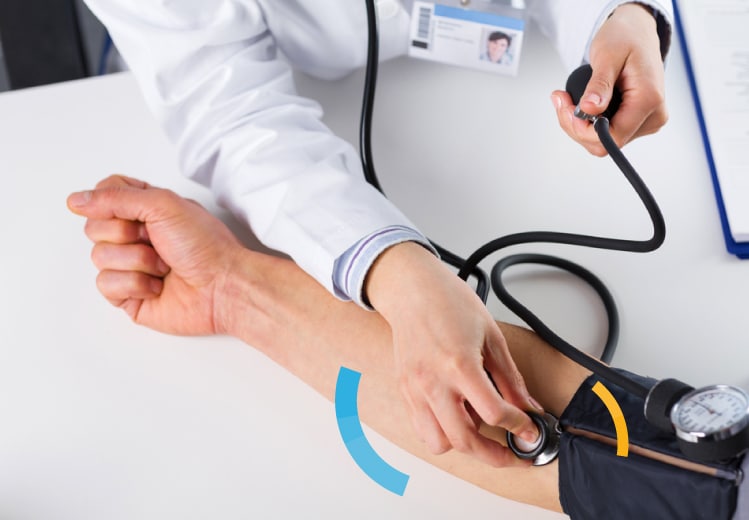
Blood pressure measurement assesses the force of blood against artery walls. It’s typically recorded as two numbers: systolic (when the heart contracts) and diastolic (when it relaxes). Normal blood pressure helps maintain proper circulation and overall cardiovascular health.

Cholesterol Levels

Cholesterol levels measure fats in the blood, crucial for cell function. LDL (“bad”) cholesterol can build up in arteries, increasing heart disease risk, while HDL (“good”) cholesterol helps remove LDL. Managing cholesterol through diet and lifestyle supports heart health.

Electrocardiogram (ECG)

An electrocardiogram (ECG or EKG) records the heart’s electrical activity. It helps diagnose heart conditions like arrhythmias and heart attacks by measuring the heart’s rhythm and detecting abnormalities in its electrical signals, crucial for assessing cardiovascular health.

Respiratory Health

Respiratory health involves the well-being of the lungs and airways, essential for breathing and oxygen exchange. It includes monitoring lung function, assessing conditions like asthma and COPD, and promoting good respiratory hygiene to maintain optimal lung function and overall well-being.

Pulmonary Function Test

Pulmonary function tests (PFTs) measure lung function, assessing how well you breathe. They gauge lung capacity, airflow, and gas exchange, helping diagnose conditions like asthma and COPD. PFTs are crucial for evaluating respiratory health and guiding treatment decisions.

Chest X-ray

A chest X-ray is a diagnostic tool that produces images of the heart, lungs, and surrounding structures. It helps detect conditions such as pneumonia, lung cancer, and heart failure by providing detailed insights into the chest cavity, aiding in diagnosis and treatment planning.

Metabolic Health

Metabolic health refers to how well your body processes and uses energy. It involves factors like blood sugar levels, insulin sensitivity, and lipid metabolism. Maintaining good metabolic health through diet, exercise, and lifestyle choices helps prevent conditions like diabetes and obesity.

Blood Sugar Levels

Blood sugar levels measure glucose in the bloodstream, crucial for energy. High levels (hyperglycemia) can indicate diabetes or stress, while low levels (hypoglycemia) can cause weakness or confusion. Monitoring and managing blood sugar through diet and medication maintain optimal health.

Liver Function Tests

Liver function tests assess liver health by measuring enzymes, proteins, and bilirubin levels in the blood. They help diagnose liver diseases like hepatitis and monitor liver function during treatment. Regular testing aids in maintaining liver health and preventing complications.

Cancer Screenings

Cancer screenings involve tests like mammograms, colonoscopies, and Pap smears to detect cancer early, when treatment is most effective. Regular screenings based on age and risk factors are vital for early detection and improving survival rates.

Mammogram

A mammogram is an X-ray of the breast used for breast cancer screening. It detects abnormalities like tumors or calcifications early, allowing for prompt treatment. Regular mammograms, especially for women over 40, help in early detection and improving treatment outcomes.

Pap Smear

A Pap smear is a cervical cancer screening test that checks for abnormal cells in the cervix. It helps detect early signs of cervical cancer or abnormalities, enabling timely treatment. Regular Pap smears are essential for women’s health and cancer prevention.

Colonoscopy

A colonoscopy is a procedure that examines the colon and rectum using a flexible tube with a camera. It detects polyps, tumors, and signs of colorectal cancer early, facilitating timely intervention. Regular colonoscopies are crucial for preventing colorectal cancer and maintaining digestive health.

Bone Health

Bone health refers to the strength and density of bones, crucial for mobility and protection of organs. It involves maintaining adequate calcium intake, regular exercise, and preventing conditions like osteoporosis through lifestyle choices and sometimes medications to reduce fracture risk.

Bone Density Test

A bone density test measures bone strength and risk of fractures. It detects osteopenia and osteoporosis, as well as assessing bone mineral density using X-rays or other technologies. Early detection helps in managing bone health and reducing fracture risk through lifestyle changes and treatments.

Interpreting Your Health Check Results

Interpreting your health check-up results is essential for understanding your overall well-being. It involves reviewing various tests such as blood work, imaging, and screenings to assess factors like cholesterol levels, organ function, and cancer markers. Understanding these results helps you and your healthcare provider identify any abnormalities, track progress, and make informed decisions about treatment and lifestyle adjustments to maintain or improve your health.

Understanding Normal vs. Abnormal Results

Understanding normal vs. abnormal results involves comparing your test values to established reference ranges. Normal results indicate your health is within expected parameters, while abnormal results may signal potential health issues requiring further investigation, treatment, or lifestyle changes for optimal health management.

Next Steps After Receiving Your Results

After receiving your results, discuss them with your healthcare provider to understand implications and next steps. This may include further testing, treatment, lifestyle changes, or preventive measures to manage any conditions identified and maintain overall health and well-being.

Please note that every person’s body creates its unique medical history, and the above recommendations are only to be taken as the most general of guidelines. Consult your doctor often with questions and concerns you may have about your health, and about which is the right medical test by age.


Note also that tests and screenings do not cover all the risks you are likely to face. Some of which can’t be prevented by early screening, as they can depend on healthy lifestyles, careful daily living and other factors.


For any stage of a person’s life, it is essential to have the right treatment whenever it is needed. Quality care depends on having comprehensive medical insurance, and LUMA provides some of the most popular and dependable international health insurance plans.

LUMA Care Application
Contact Us

Copyright © 2026 lumahealth.com. All Rights Reserved.   Privacy Policy & Terms of Conditions