
Thailand Weather in April

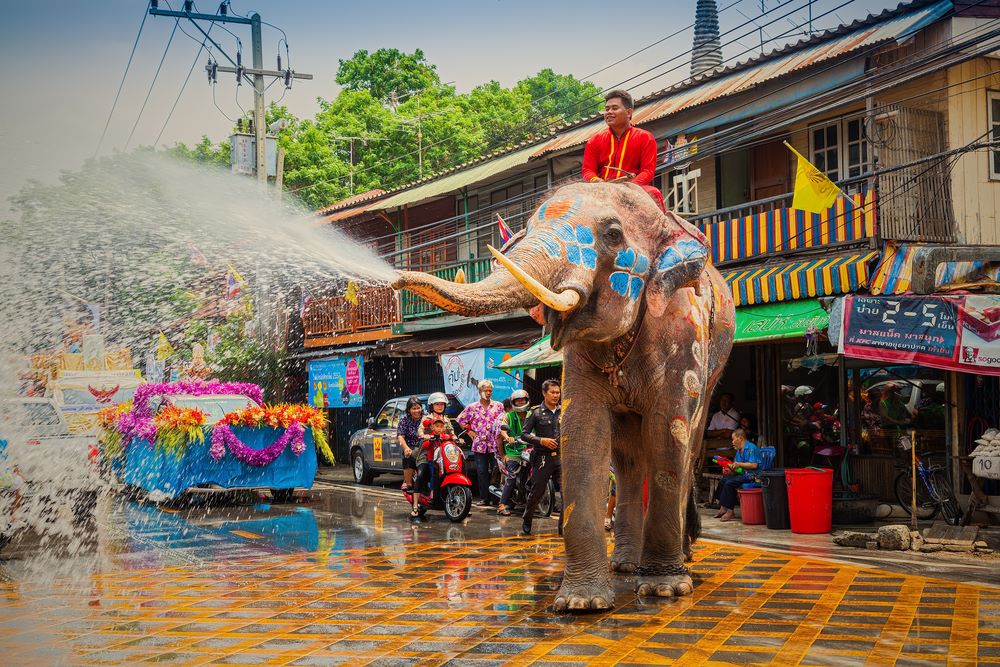
Ready to explore Thailand weather in April? You’re in for a vibrant treat! April ushers in Thailand’s hottest month, paired with the electrifying Songkran festival (Thai New Year), featuring water fights, parades, and nationwide celebrations. Whether you’re eager for cultural thrills or a peaceful nature retreat, this guide unpacks Thailand weather in April by region, spotlighting top destinations and insider tips to craft your perfect trip.
april weather in thailand

Thailand Weather in April: Overview

Curious about Thailand weather in April? It’s the hottest month of the year, with temperatures soaring and occasional peaks over 45°C in full sun. Wherever you go, staying hydrated and wearing sunblock are musts.

The North and North East sizzle under dry skies, Central Thailand turns steamy, and the South blends warmth with occasional showers. Songkran adds a festive twist, making this a unique time to visit.


Here’s what awaits in Thailand’s key regions:

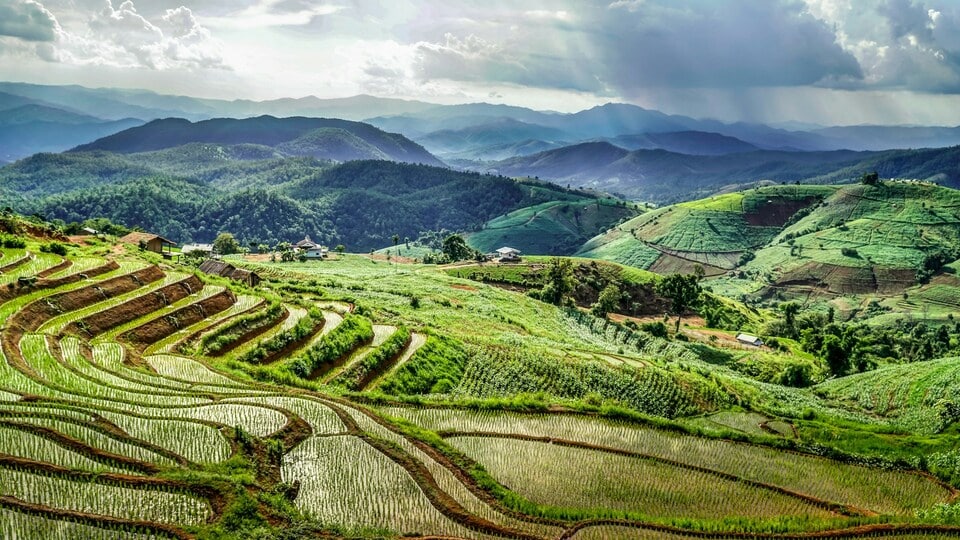
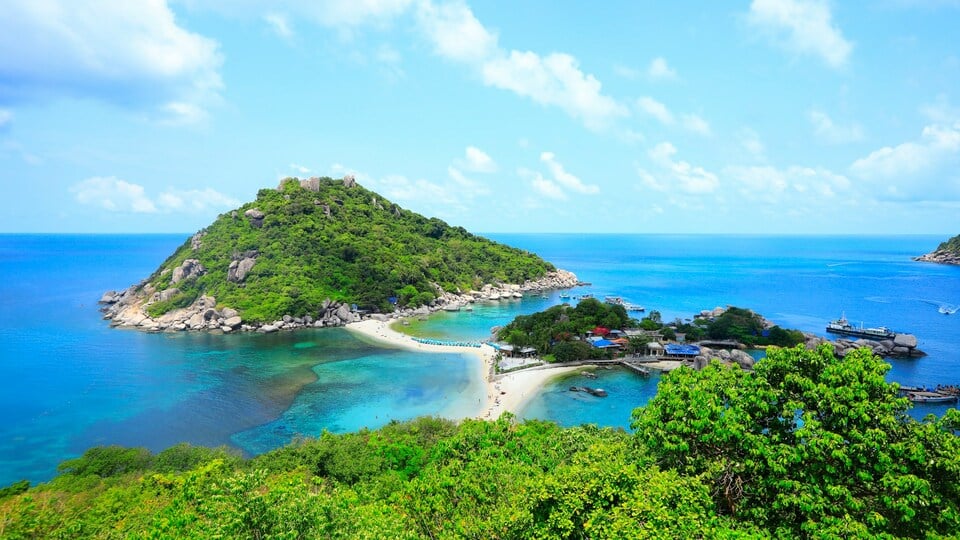
  • North Thailand (e.g., Chiang Mai, Chiang Rai): Hot and dry (27-38°C), with little rain but potential haze from agricultural burning.
  • North East Thailand (e.g., Udon Thani, Khon Kaen): Blazing heat (28-39°C), dry conditions, and clear skies.
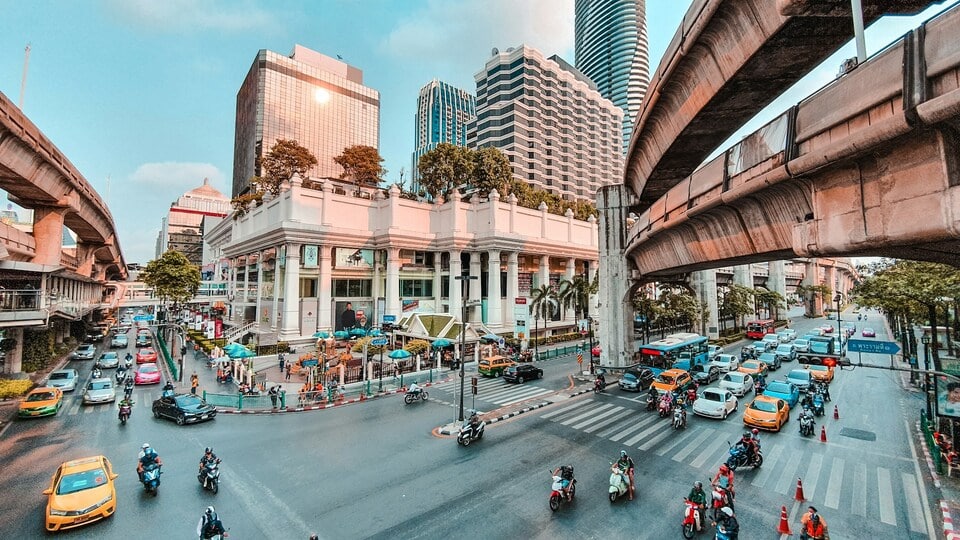
  • Central Thailand (e.g., Bangkok, Ayutthaya): Very hot (29-38°C) with high humidity and minimal rain.
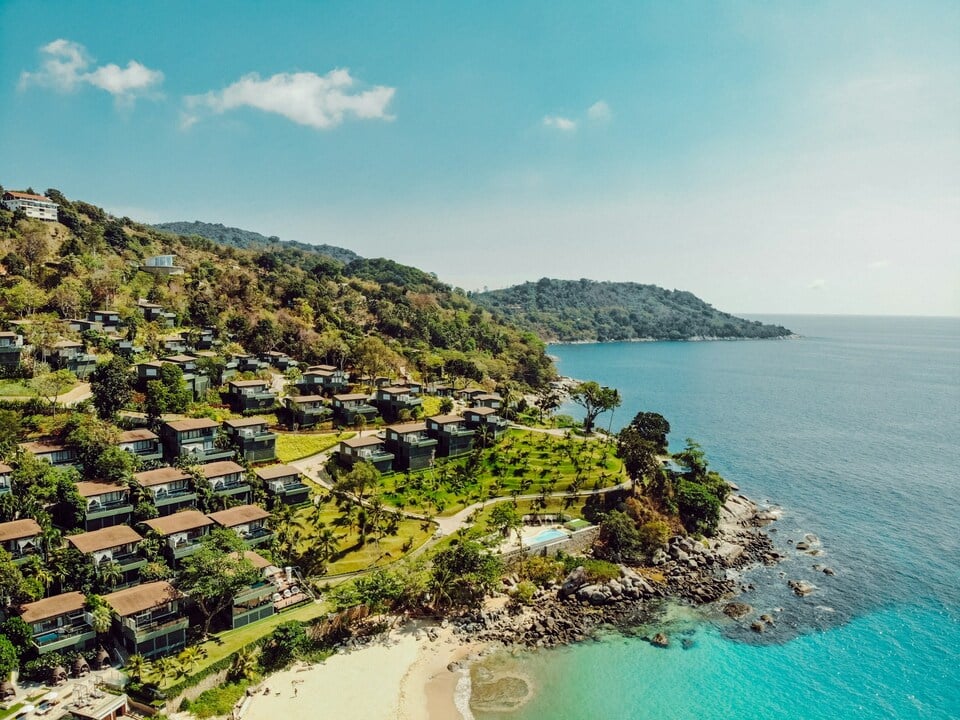
  • South Thailand (e.g., Phuket, Krabi, Surat Thani): Warm and humid (28-34°C), with sunny days on the Andaman coast and occasional showers on the Gulf side.


What Happens in Thailand in April

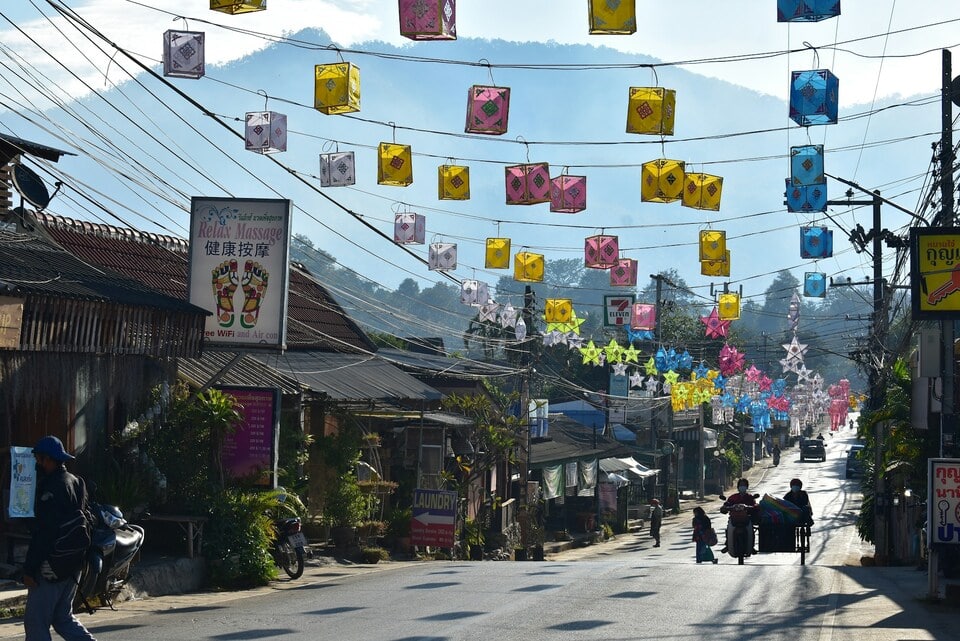
Songkran, the Thai New Year, also known as the Water Festival, usually happens mid April but dates can shift depending on the lunar calendar.

This iconic event sees locals and visitors splashing water to wash away bad luck and welcome a fresh start.

Companies often shut down for a few days, and employees tack on extra holidays, extending the festive break. While tourist areas buzz with activity, the country slows down on administrative and business fronts as New Year celebrations take priority.


Does it Rain in Thailand in April?

Wondering how Thailand weather in April handles rain? It’s still among the driest months, though the South sees hints of the coming wet season with more frequent showers. Most areas bask in sunshine, ideal for Songkran festivities or outdoor fun.

Here’s the rainfall rundown per region:

  • North Thailand (Chiang Mai): 3 rainy days, 20 mm rainfall
  • North East Thailand (Udon Thani): 2 rainy days, 15 mm rainfall
  • Central Thailand (Bangkok): 3 rainy days, 30 mm rainfall
  • South Thailand (Phuket): 6 rainy days, 60 mm rainfall
  • South Thailand (Surat Thani): 7 rainy days, 70 mm rainfall


Is it Hot in Thailand in April?

How does Thailand weather in April feel temperature-wise? It’s the hottest month of the year, with daytime highs testing your endurance. Nights bring slight relief, but you’ll still feel the heat everywhere.

Check out the typical min and max temps per region:

  • North Thailand (Chiang Mai): Min 22°C, Max 38°C
  • North East Thailand (Udon Thani): Min 24°C, Max 39°C
  • Central Thailand (Bangkok): Min 26°C, Max 38°C
  • South Thailand (Phuket, Surat Thani): Min 25°C, Max 34°C


Best Places to Visit in Thailand in April

Looking for the best of Thailand weather in April? The heat can’t dim the country’s festive energy or natural beauty.

Our LUMA experts share their top recommendations to make the most of your April adventure.


Chiang Mai: Top Recommendation for April by Dr. Gerard

Dr. Gerard is the Chief Medical Officer at LUMA, Who Has Been Living in Thailand for Over 30 Years

Why Visit: Chiang Mai’s warm, dry weather pairs perfectly with Songkran’s water-soaked celebrations, offering a more genuine and family-friendly experience compared to Bangkok’s high-energy chaos.
Recommended Activity in Chiang Mai in April, by Dr. Gerard: Stroll the city’s smaller streets to experience more local and authentic celebrations.
Insider Tip from Dr. Gerard: Chiang Mai has great access to water thanks to the moat, but beware of water gun pressure, which can lead to serious eye infections or damage if it hits your eyes at high force. Wear swimming goggles to stay safe!


Surat Thani: Top Recommendation for April by Petch

Petch is the Partner Development Manager at LUMA and a Travel Enthusiast Who Spent More Than 10 Years in the Travel & Hospitality Industry

Why Visit: While Songkran is a must, Surat Thani’s Khao Sok National Park offers a lush, serene escape from the festival chaos, with warm weather and occasional showers enhancing the rainforest’s vibrancy.

Recommended Activities in Surat Thani in April, by Petch:

  • Boat Tour on Cheow Lan Lake: Visit limestone cliffs and hidden caves, then swim or kayak in the serene turquoise waters.
  • Stay on Floating Bungalows: Relax surrounded by stunning lake views.
  • Trekking and Wildlife Spotting: Explore the rainforest, caves, and waterfalls—home to gibbons, wild cats, and elephants—ending with a breathtaking viewpoint.
  • Visit Elephant Sanctuary: Interact ethically with elephants in a luxury jungle camp.

Insider Tip from Petch: Fly to Phuket or Krabi, then travel by land to Khao Sok. Extend your stay after Songkran for a quieter, nature-focused retreat—pack lightweight rain gear for occasional showers.

Best Places to Visit in Thailand

places to visit bangkok

Bangkok: A City Where History Meets Modernity


✔️Immerse yourself in cultural grandeur: Explore the magnificent Grand Palace, a shimmering complex showcasing exquisite Thai architecture and housing the revered Emerald Buddha. Witness the vibrant Wat Arun (Temple of Dawn) glowing at sunrise and marvel at the intricate details of Wat Pho, featuring the Reclining Buddha, a colossal gilded statue.


✔️Cruise down the Chao Phraya River: Embark on a scenic boat tour along the “River of Kings,” Bangkok’s lifeblood. Take in the sights of iconic landmarks like Wat Arun and the Royal Barges Museum, housing ornate vessels used in royal ceremonies.


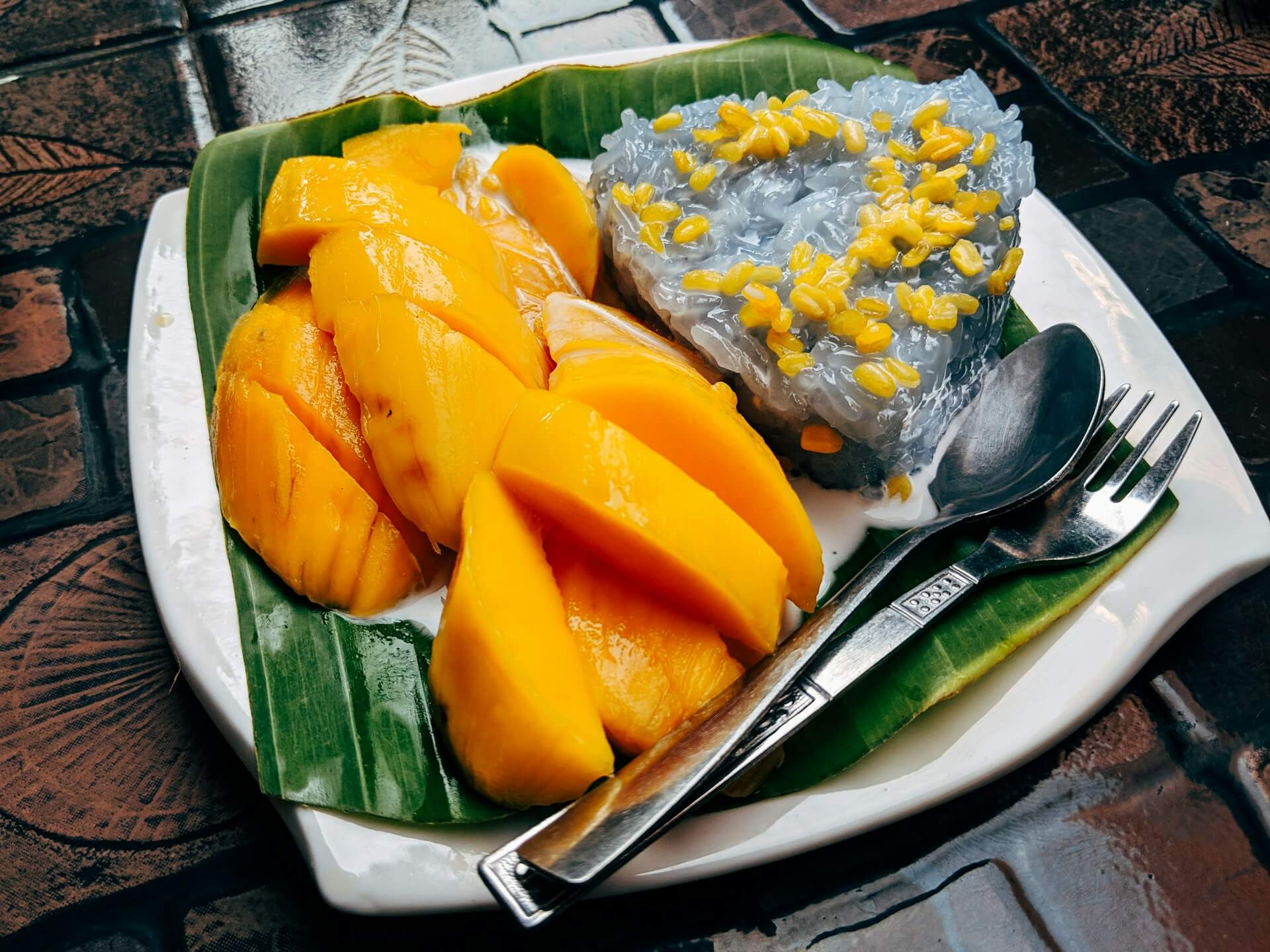
✔️Indulge in culinary delights: Bangkok is a haven for foodies. Explore bustling street food stalls offering mouthwatering Pad Thai, Tom Yum Goong (spicy shrimp soup), and mango sticky rice. For a more upscale experience, delve into renowned restaurants serving traditional Thai cuisine with a modern twist.


✔️Shop till you drop:  From the labyrinthine alleys of Chatuchak Weekend Market, the largest weekend market in the world, to upscale malls like Siam Paragon, Bangkok caters to every shopping whim. Find handcrafted souvenirs, trendy clothing, and local delicacies.

places to visit chiang mai

Chiang Mai: Unveiling Thailand’s Rich Heritage


✔️Step back in time: Explore the ancient city walls and moat surrounding Chiang Mai, remnants of its glorious Lanna past. Climb the sacred Wat Phra Doi Suthep perched atop Doi Suthep mountain, offering panoramic views of the city and a chance to experience Buddhist rituals.


✔️Embrace the vibrant night markets: Chiang Mai comes alive at night with its bustling night bazaars. Immerse yourself in the sights, sounds, and aromas of Warorot Market, overflowing with handicrafts, clothing, and local treats. Sample exotic fruits, explore intricate silk scarves, and find unique souvenirs.


✔️Connect with nature:  Escape the city and delve into the lush jungles surrounding Chiang Mai. Visit an ethical elephant sanctuary and learn about elephant conservation. Hike through the mountainous terrain of Doi Inthanon National Park, Thailand’s highest peak, and discover hidden waterfalls and diverse flora and fauna.


✔️Explore hill tribe villages: Gain insights into the rich cultural heritage of Thailand’s hill tribes. Visit Karen villages nestled in the mountains and learn about their unique customs, clothing, and way of life.

places to visit phuket

Phuket: Island Paradise Awaits


✔️Beach Bliss:  Phuket boasts pristine beaches catering to every desire. Relax on the powdery white sands of Patong Beach, a lively hub known for its restaurants, bars, and water sports. For a quieter escape, head to Kata Beach or Karon Beach, offering stunning views and a laid-back atmosphere.


✔️Explore the Old Town Phuket:  Wander through the charming streets of Phuket’s Old Town, a UNESCO World Heritage Site. Admire the Sino-Portuguese architecture, a blend of Chinese and European influences. Browse through art galleries, antique shops, and local boutiques.


✔️Island Hopping Adventures:  Embark on a day trip to Phi Phi Island, made famous by the movie “The Beach,” and discover Maya Bay with its turquoise waters and towering limestone cliffs. Explore the hidden coves and stunning coral reefs of Phang Nga Bay by kayak or longtail boat.


✔️Scuba Diving and Snorkeling Paradise:  Unveil the underwater world of Thailand. Explore vibrant coral reefs teeming with marine life at renowned dive sites like Similan Islands and Racha Islands. For a more relaxed experience, snorkel in the clear waters surrounding Phi Phi Island and encounter colorful fish and coral formations.

places to visit krabi

Krabi: A Playground for Nature Lovers


✔️Rock Climbing Paradise:  Krabi’s towering limestone cliffs attract rock climbers from all over the world. Railay Beach, accessible only by boat, offers stunning views and a variety of challenging climbing routes for all skill levels.


✔️Unveiling Hidden Gems:  Explore the Tham Phra Nang Nah (Princess Cave), a beautiful cave temple accessible only by boat during low tide. Discover hidden lagoons and towering limestone formations on a boat tour through Phang Nga Bay, where you can spot the iconic James Bond Island.


✔️Kayaking Adventures:  Paddle through the emerald waters of Ao Thalane mangrove forests, teeming with birdlife and offering a glimpse into Krabi’s unique ecosystem.


✔️Relaxation and Rejuvenation:  Krabi’s many luxurious resorts and spas. Unwind with traditional Thai massages, aromatherapy treatments, and a variety of wellness options to rejuvenate your mind and body.

places to visit Ayutthaya

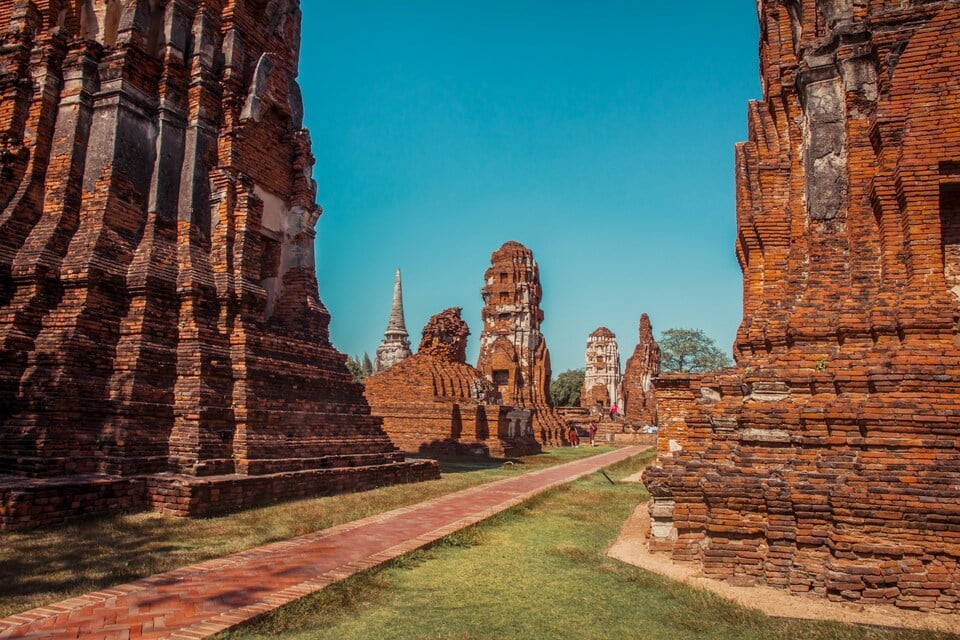
Ayutthaya: A Journey Through History


✔️Step into the Past:  Explore the ruins of Ayutthaya, the former capital of Siam, a UNESCO World Heritage Site. Witness the grandeur of the once-mighty kingdom through the remnants of temples and palaces like Wat Mahathat, where a Buddha head is entwined in the roots of a banyan tree, and Wat Phra Si Sanphet, showcasing the ruins of towering prang (spires).


✔️Museums and Historical Sites:  Delve deeper into Thailand’s history at the Ayutthaya Historical Park Museum, housing artifacts and exhibits showcasing the kingdom’s rise and fall. Visit the Ayothaya National Museum for a comprehensive collection of sculptures, ceramics, and everyday objects from the Ayutthaya period.


✔️Evening Light Show:  Experience the magic of Ayutthaya at night with the “Light of Ayutthaya” illumination show. Witness the ruins come alive in a dazzling display of lights and sounds, creating a mesmerizing spectacle.

places to visit koh samet

Koh Samui: Island Escape for Relaxation and Luxury


✔️Beach Bliss on Koh Samui:  Unwind on the pristine sands of Koh Samui’s beaches. Lamai Beach offers a relaxed atmosphere with beautiful resorts and restaurants, while Chaweng Beach is a vibrant hub known for its nightlife and water sports activities.


✔️Explore Ang Thong National Marine Park:  Discover the paradise of Ang Thong National Marine Park, an archipelago of 42 islands with hidden coves, pristine beaches, and vibrant coral reefs. Kayak through emerald lagoons, hike to viewpoints for stunning panoramic vistas, and snorkel or dive amongst diverse marine life.


✔️Spa and Wellness Retreats:  Koh Samui is a haven for relaxation and rejuvenation. Immerse yourself in a world of pampering with traditional Thai massages, yoga retreats, and a variety of wellness experiences offered by luxurious spas and resorts.


✔️Cultural Gems:  Explore Wat Phra Yai, a revered temple featuring a massive golden Buddha statue. Visit the Fisherman’s Village Bophut, a charming area with traditional wooden houses, shops selling local crafts, and delicious seafood restaurants.

places to visit pai

Pai: A Haven for Backpackers and Adventurers


✔️Nature’s Playground:  Embark on an adventurous journey through Pai’s stunning natural landscape. Hike through bamboo forests to discover hidden waterfalls like the Mae Yen Waterfall, a cascading wonder surrounded by lush greenery. Rent a motorbike and explore the scenic Pai Canyon, a dramatic landscape of red clay formations.


✔️White Water Rafting:  Experience the thrill of white water rafting on the Pai River. Navigate through exciting rapids and immerse yourself in the beauty of the surrounding mountains and valleys.


✔️Relaxed and Bohemian Vibe:  Pai offers a laid-back atmosphere, attracting backpackers and budget travelers. Explore the town’s vibrant night market, overflowing with local crafts, souvenirs, and delicious street food. Enjoy live music at cozy cafes and restaurants.


✔️Elephant Sanctuaries:  Visit an ethical elephant sanctuary and learn about elephant conservation efforts. Observe these gentle giants in a natural environment, and support responsible tourism practices.

These are just a few of the many treasures Thailand has to offer. With its captivating culture, stunning landscapes, and vibrant energy, Thailand promises an unforgettable holiday experience for every kind of traveler. So, pack your bags and get ready to discover the magic of the Land of Smiles!

Popular food in Thailand

Pad Thai

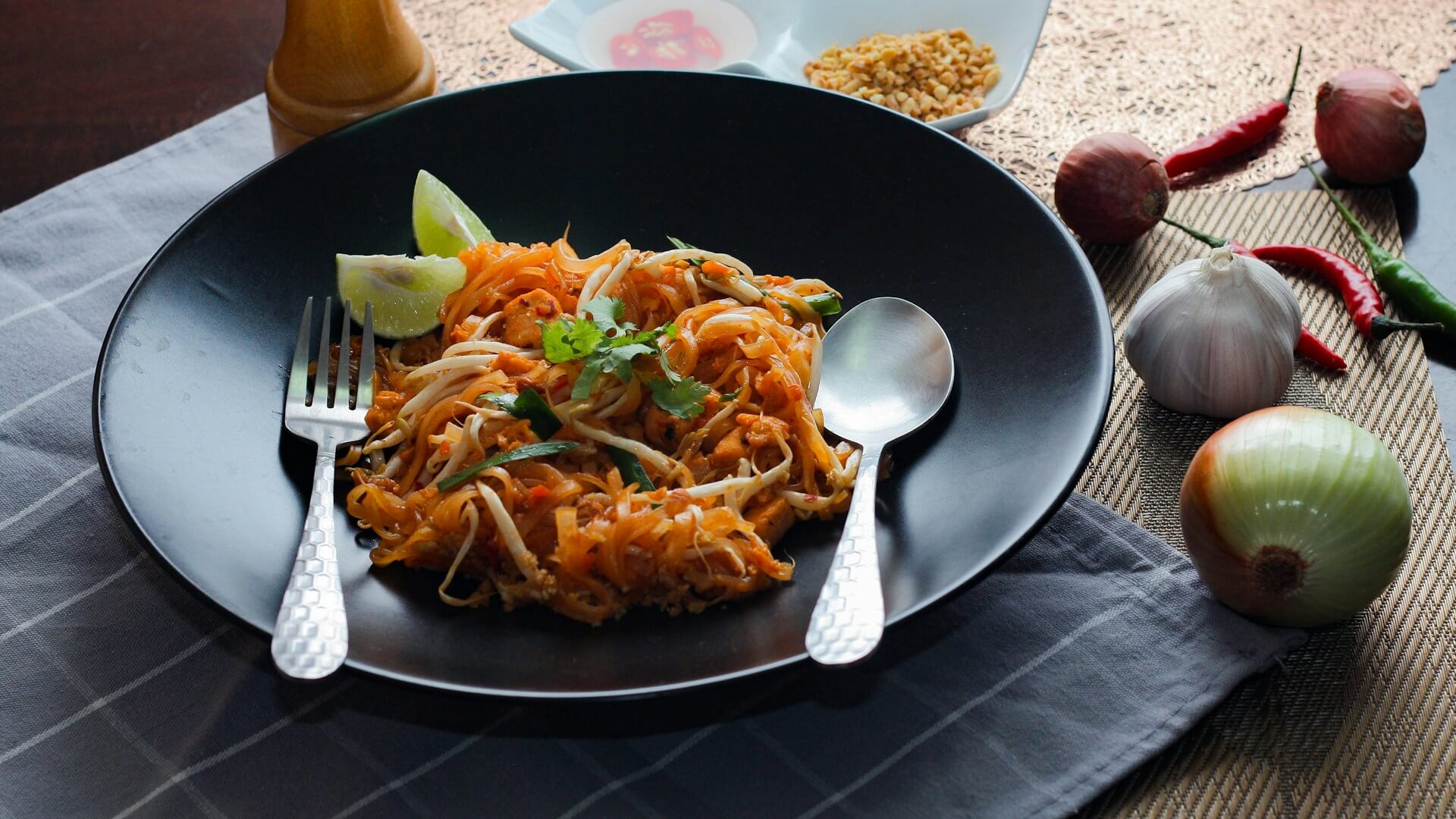
✔️ Pad Thai (ผัดไทย): Arguably Thailand’s national dish, Pad Thai is a stir-fried rice noodle dish with a sweet and savory sauce. It typically includes egg, tofu, bean sprouts, vegetables, and your choice of protein like shrimp, chicken, pork, or tofu. A sprinkle of crushed peanuts and a squeeze of lime add the perfect finishing touch.


Ingredients Commonly Used:


  • Rice Noodles (เส้นก๋วยเตี๋ยวผัดไทย / sen kui tiao pad thai): Preferably pre-soaked to achieve the perfect texture.
  • Eggs (ไข่ / khai): Scrambled eggs add richness, body, and protein to the dish.
  • Protein:
  • Chicken (ไก่ / gai)
  • Shrimp (กุ้ง / goong)
  • Pork (หมู / moo)
  • Tofu (เต้าหู้ / tau hu)
  • Bean Sprouts (ถั่วงอก / thua ngok): Fresh bean sprouts add a refreshing crunch and vegetal character.
  • Garlic (กระเทียม / krathiam): Minced garlic forms the base of the aromatic flavor profile.
  • Shallots (หอมแดง / hom daeng): Chopped shallots add another layer of savory depth.
  • Radish (หัวไช้เท้า / hua chai tao) (optional): Shredded white radish provides a mild peppery bite (not always included).
  • Fish Sauce (น้ำปลา / nam pla): Fish sauce is a staple Thai ingredient, adding a salty and umami backbone to the dish.
  • Tamarind Paste (มะขามเปียก / ma-kham phiak): Tamarind paste adds a sweet and slightly sour note, balancing the flavors of Pad Thai.
  • Palm Sugar (น้ำตาลปี๊บ / nam taan piib) (or brown sugar): Palm sugar (or brown sugar as a substitute) brings sweetness to the dish.
  • Dried Shrimp (กุ้งแห้ง / goong haeng): Soaked and ground dried shrimp add an intense shrimpy flavor, though some recipes omit them.
  • Lime Juice (น้ำมะนาว / nam ma-now): A squeeze of fresh lime juice adds a refreshing citrusy tang.
  • White Pepper (พริกไทยขาว / phrik thai khao): White pepper provides a touch of warmth and spice.
  • Chili Flakes (พริกป่น / phrik pon) (optional): Chili flakes for an extra kick of spice (use according to your preference).
Tom Yum Goonga

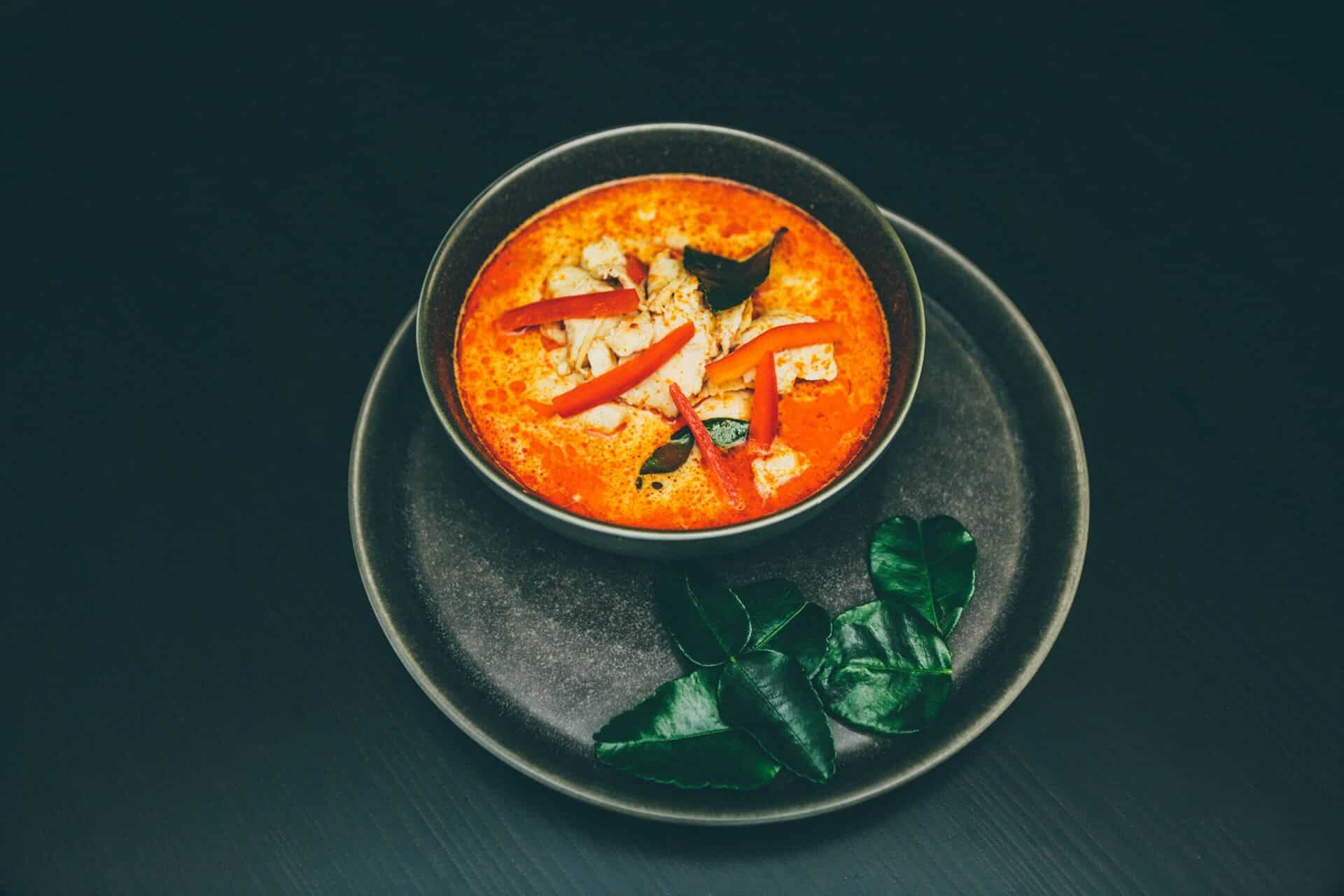
✔️Tom Yum Goong (ต้มยำกุ้ง): This hot and sour shrimp soup is a classic Thai dish. The fragrant broth is flavored with lemongrass, kaffir lime leaves, galangal, chilies, and shrimp paste. Tom Yum Goong can be enjoyed with mushrooms, straw mushrooms, tomatoes, and fresh herbs like cilantro and lime basil.


Ingredients Commonly Used:


  • Shrimp (กุ้ง / goong)
  • Lemongrass (ตะไคร้ / takrai)
  • Galangal (ข่า / kha)
  • Kaffir lime leaves (ใบมะกรูด / bai makrut)
  • Chilies (พริก / phrik)
  • Tom Yum paste (น้ำพริกต้มยำ / nam phrik tom yum) – a blend of chilies, lemongrass, galangal, kaffir lime leaves, shrimp paste, and other aromatics
  • Coconut milk (กะทิ / kati)
  • Fish sauce (น้ำปลา / nam pla)
  • Lime juice (น้ำมะนาว / nam ma-now)
  • Straw mushrooms (เห็ดฟาง / het fang) (optional)
  • Mushrooms (เห็ด / het) (optional)
  • Tomatoes (มะเขือเทศ / ma-kheua thet) (optional)
  • Fresh cilantro (ผักชี / phak chi)
Khao Pad

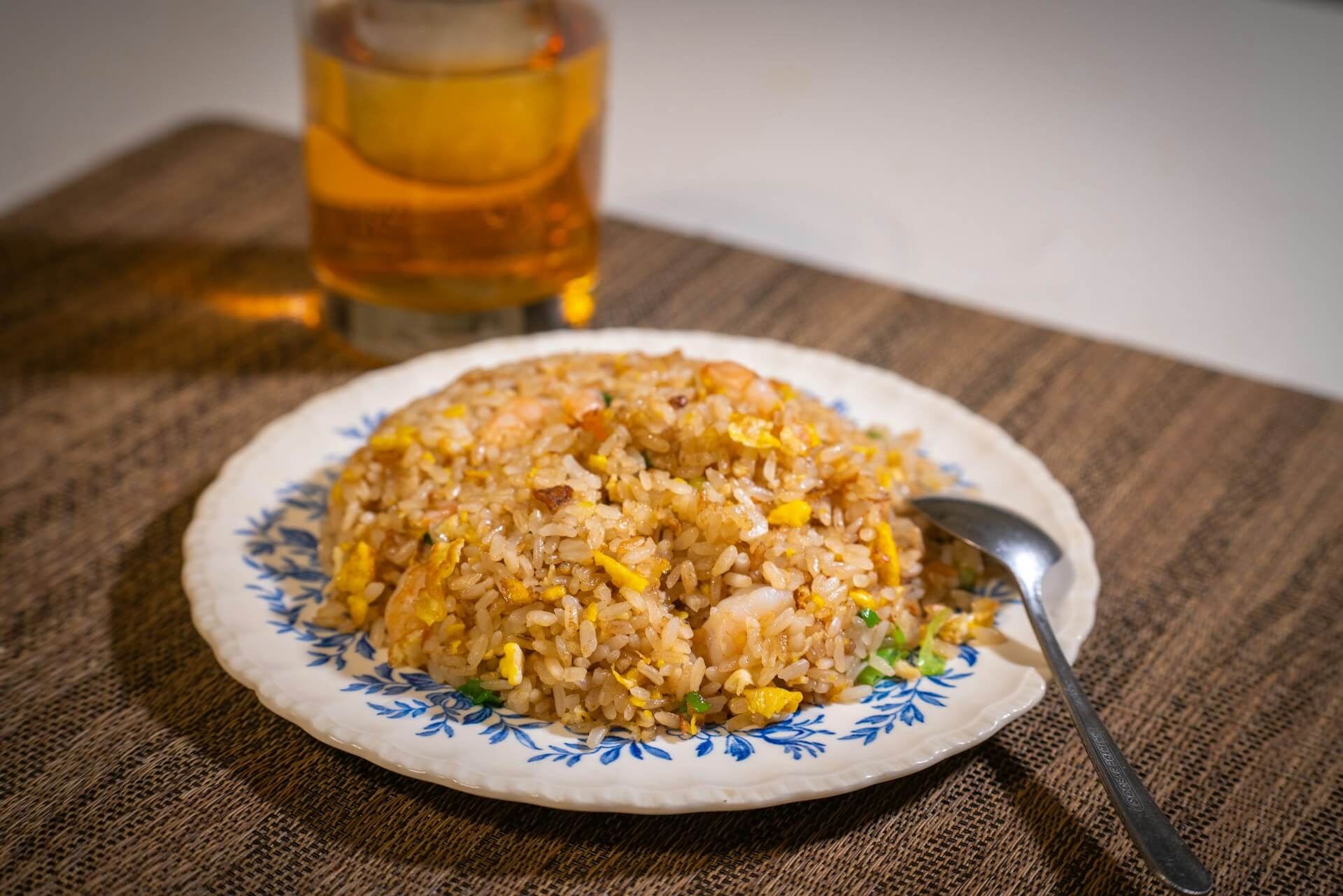
✔️Khao Pad (ข้าวผัด): This simple yet satisfying dish translates to “fried rice” and is a staple in Thai cuisine. It’s typically stir-fried with egg, vegetables, meat (chicken, pork, or shrimp) and seasoned with fish sauce, soy sauce, chilies, and sometimes crabmeat. Variations include pineapple fried rice and curry fried rice.


Ingredients Commonly Used:


  • Cooked Jasmine Rice: The fragrant foundation of the dish.
  • Protein: Chicken, shrimp, pork, tofu, or your choice!
  • Eggs: Scrambled for richness and texture.
  • Veggies (optional): Onions, garlic, and sometimes peas or carrots add freshness.
  • Flavorings: Fish sauce, soy sauce, and chilies for that classic Thai taste (spice level adjustable).
Gaeng Daeng

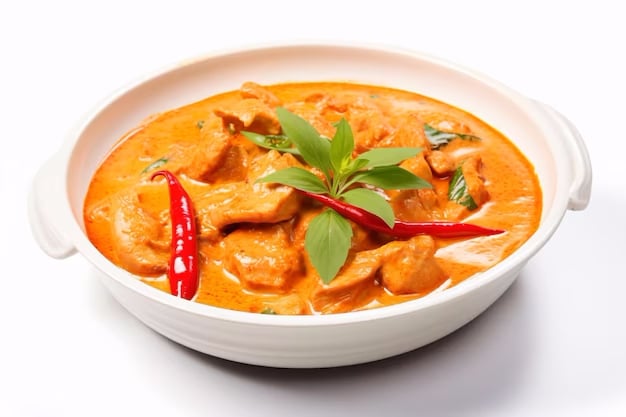
✔️Gaeng Daeng (แกงแดง): Red Curry is a rich and flavorful curry made with a red curry paste, coconut milk, and your choice of protein like chicken, beef, duck, or tofu. Vegetables like bamboo shoots, bell peppers, and green beans are often included. Red Curry is typically served with steamed rice.


Ingredients Commonly Used:


  • Red curry paste (น้ำพริกแกงแดง / nam phrik kaeng daeng) – a blend of chilies, red chilies, lemongrass, galangal, kaffir lime leaves, shrimp paste, and other spices
  • Coconut milk (กะทิ / kati)
  • Protein (เนื้อสัตว์ / neua sat): chicken (ไก่ / gai), pork (หมู / moo), duck (เป็ด / pet), tofu (เต้าหู้ / tau hu)
  • Vegetables (ผัก / phak): bamboo shoots (หน่อไม้ / no mai), bell peppers (พริกหยวก / phrik yooak), green beans (ถั่วฝักยาว / thuaa fak yao) (variations exist)
  • Fish sauce (น้ำปลา / nam pla)
  • Palm sugar (น้ำตาลปี๊บ / nam taan piib) (or sugar)
  • Lime juice (น้ำมะนาว / nam ma-now) (optional)
  • Kaffir lime leaves (ใบมะกรูด / bai makrut) (for garnish, optional)
Gaeng Keow Wan Gai

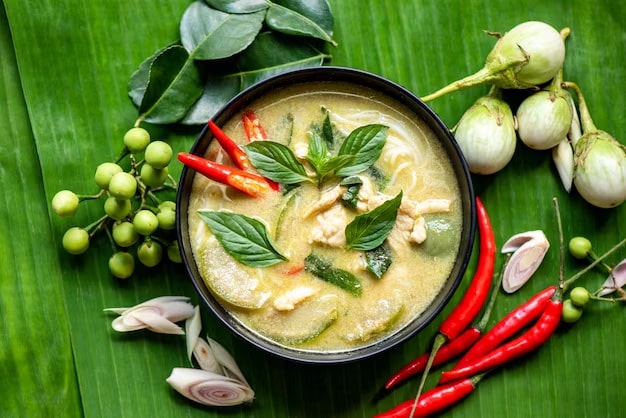
✔️Gaeng Keow Wan Gai (แกงเขียวหวานไก่): Green curry is another popular Thai curry, known for its vibrant color and slightly milder taste compared to red curry. The green curry paste is made with chilies, green peppercorns, lemongrass, kaffir lime leaves, and other herbs. Similar to red curry, it’s cooked with coconut milk and your choice of protein and vegetables and served with steamed rice.


Ingredients Commonly Used:


  • Green curry paste (น้ำพริกแกงเขียวหวาน / nam phrik kaeng khiao wan) – a blend of chilies, green peppercorns, lemongrass, kaffir lime leaves, galangal, and other herbs
  • Coconut milk (กะทิ / kati)
  • Chicken (ไก่ / gai) (most common protein)
  • Vegetables (ผัก / phak): similar to Gaeng Daeng (bamboo shoots, bell peppers, green beans)
  • Fish sauce (น้ำปลา / nam pla)
  • Palm sugar (น้ำตาลปี๊บ / nam taan piib) (or sugar)
  • Lime juice (น้ำมะนาว / nam ma-now) (optional)
  • Kaffir lime leaves (ใบมะกรูด / bai makrut) (for garnish, optional)
Som Tam

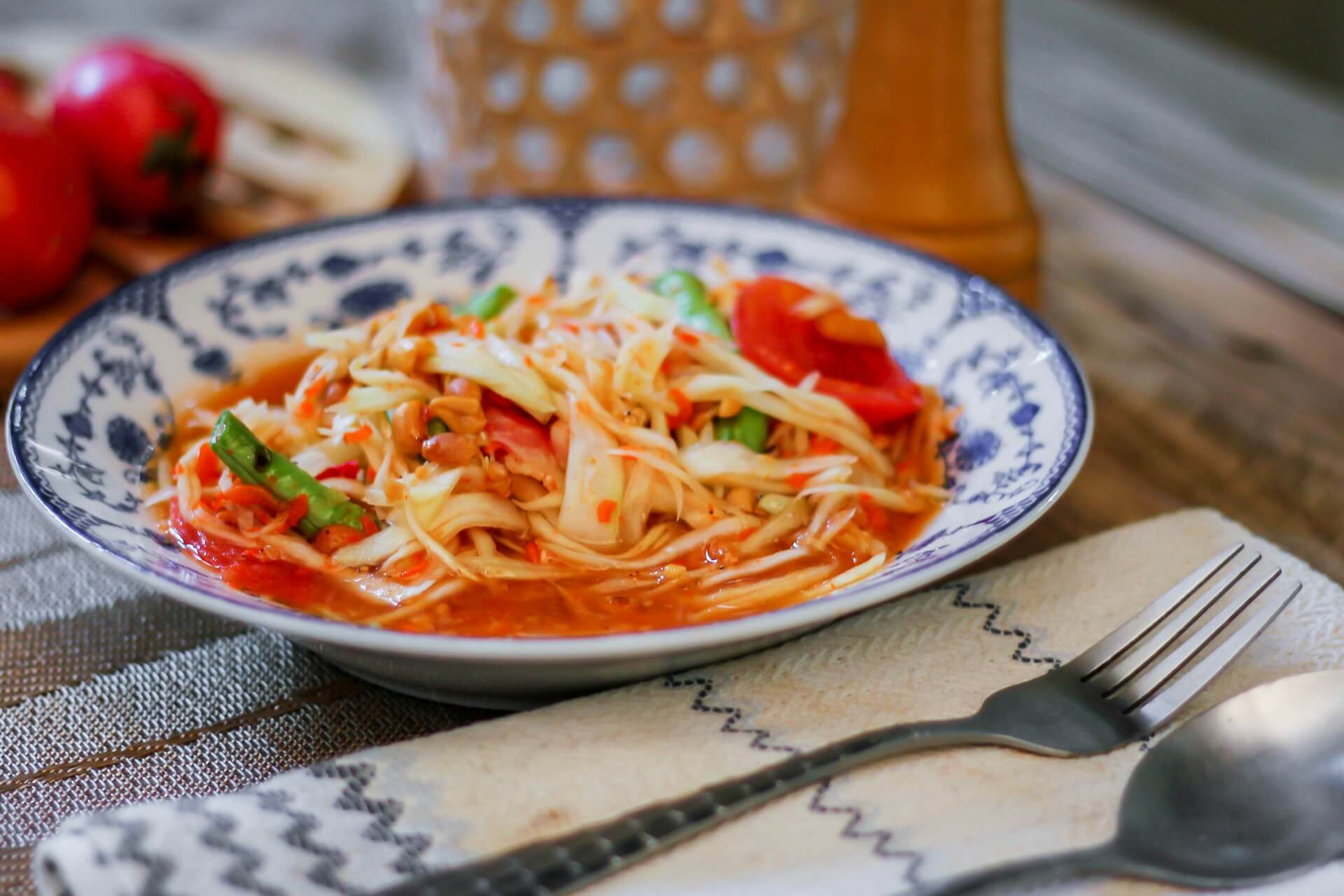
✔️Som Tam (ส้มตำ): This spicy green papaya salad is a refreshing and flavorful dish from Isan, Thailand’s northeastern region. Shredded unripe papaya is pounded with chilies, fish sauce, lime juice, garlic, sugar, and shrimp paste (optional). Som Tam is often served with sticky rice and other accompaniments like grilled chicken and vegetables.


Ingredients Commonly Used:


  • Unripe green papaya (มะละกอดิบ / ma-la-ko dip) – shredded
  • Chilies (พริก / phrik)
  • Fish sauce (น้ำปลา / nam pla)
  • Lime juice (น้ำมะนาว / nam ma-now)
  • Garlic (กระเทียม / grathiam)
  • Palm sugar (น้ำตาลปี๊บ / nam taan piib)
Khao Niao

✔️The “Khao Niao” (ข้าวเหนียว) component is a specially prepared glutinous rice.  Unlike regular rice, glutinous rice has a higher starch content, resulting in a sticky and slightly chewy texture.  The rice is typically soaked for several hours before being steamed in a bamboo steamer.  Coconut milk, sugar, and a pinch of salt are often added during steaming, infusing the rice with a subtle sweetness and a touch of coconut creaminess.


Ingredients Commonly Used:


  • Glutinous Rice (ข้าวเหนียว / khao niao): Unlike regular rice, glutinous rice has a higher starch content, resulting in the characteristic sticky texture of Khao Neaw.
  • Water (น้ำ / nam): Water is used to cook the rice.
  • Coconut Milk (กะทิ / kati) (optional): Coconut milk adds a touch of sweetness and creaminess to the rice, though not always used.
  • Salt (เกลือ / keu): A pinch of salt enhances the flavor of the rice.

Thailand is a food lover’s paradise, and these top 10 must-try Thai dishes are just the tip of the iceberg. From spicy soups to creamy curries, there is no shortage of delicious and exotic eats to try in Thailand. So, the next time you find yourself in this beautiful country, be sure to indulge in these mouth-watering dishes for an unforgettable culinary experience.

LUMA Care Application
Contact Us

Copyright © 2026 lumahealth.com. All Rights Reserved.   Privacy Policy & Terms of Conditions