
Malaria in Thailand: Signs, Symptoms and Treatments

Despite decades of control success and a competent country-wide health infrastructure, malaria remains an important health threat in rural Thailand. While Malaria risk is present throughout the country, major urban areas are generally very low risk, such as Bangkok, Chiang Mai, Pattaya, Phuket and Samui. The endemic areas are typically the hilly or forested areas. Most cases are from the border areas of Thailand especially Thai-Myanmar and Thai-Cambodia border.

malaria in thailand

What is Malaria?

Malaria is a serious and sometimes fatal disease caused by a protozoa. There are four kinds of malaria parasites which can infect humans are Plasmodium falciparum, P. vivax, P. malariae, P.ovalae.

How is Malaria transmitted?

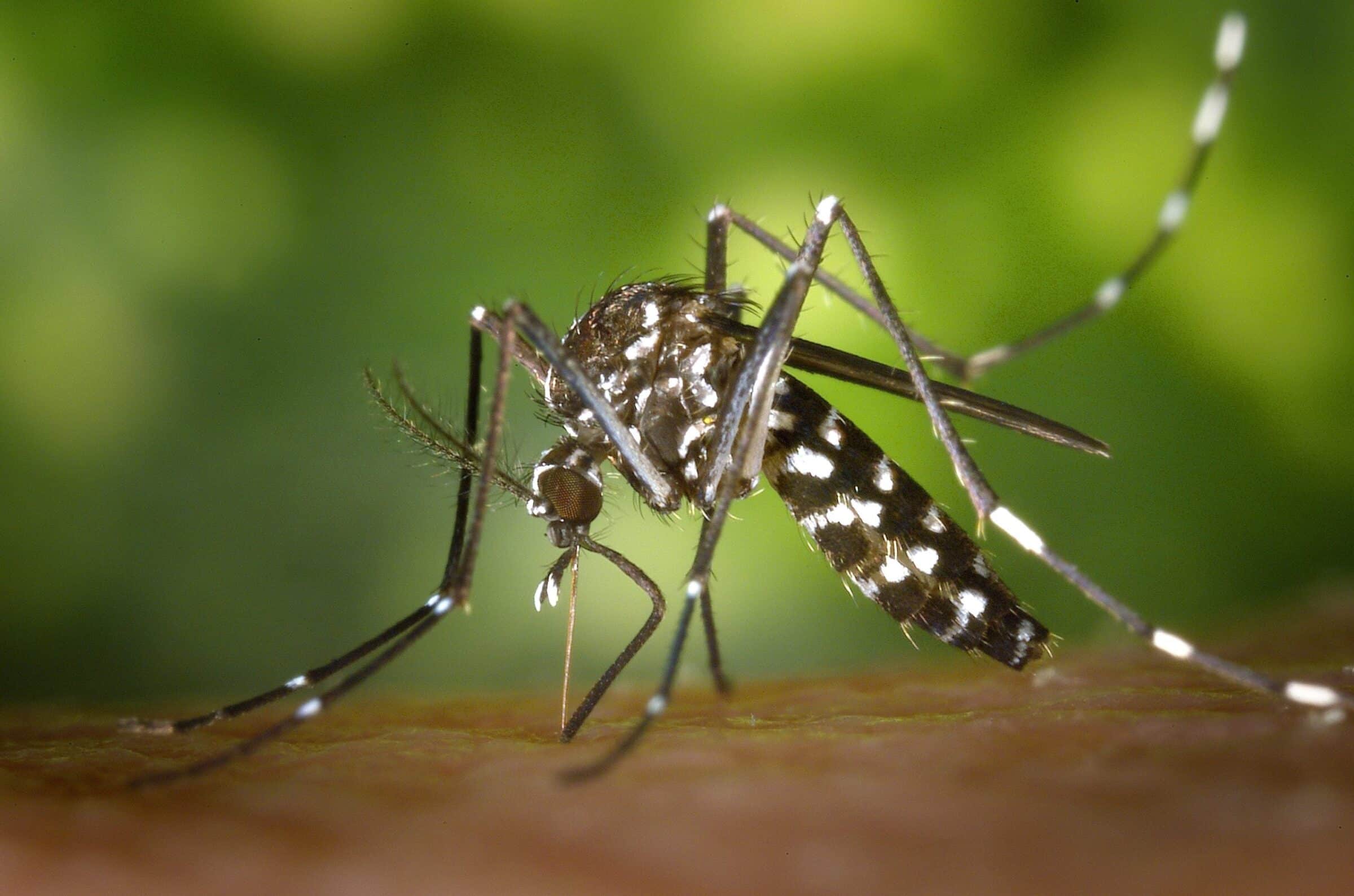
Usually, people get malaria after being bitten by an infected female Anopheles mosquito. Only this specific species of mosquito can transmit malaria and they mainly bite during the night. When the infected mosquito bites the host passing on the infection, the parasites reach the human bloodstream and enter the red blood cells where the quickly multiply and rupture the cells. This process is then replicated in other new red blood cells damaging multiple organs.

Because the malaria is found in human blood, malaria can also be transmitted through blood transfusion, organ transplantation, or the shared use of needles or syringes contaminated with blood. Malaria is not transmitted from person to person like a cold or flu. You cannot get malaria from casual contact with malaria-infected people.

What are the signs and symptoms of malaria?

Symptoms of malaria include fever, chills, headache, muscle pain, loss of appetite. Nausea, vomiting and diarrhea may also occur.

Malaria may cause pallor and jaundice (yellow coloring of the eyes and skin). Infection with Pfalciparum, if not promptly treated, may cause kidney failure, seizures, coma and leading to death.

For most people, symptoms begin 7 days to 8 weeks after infection and follow a typical cyclical pattern lasting 4-6 hours every 2-3 days. Two kinds of malaria ie P.vivax and P.ovalae can remain dormant in the liver for several months and up to 4 years.

sign of malaria

What is the treatment of Malaria?

Malaria is a treatable disease especially when it is treated early. The type of drugs and length of treatment depend on which kind of malaria is diagnosed, how severe are the symptoms and the age of the patient. If you suffer from symptoms listed above and have travelled in an area where malaria is common, you should immediately check with your doctor.

how to prevent Malaria in thailand

What is the best method to prevent Malaria?

If you are traveling into a high-risk area then you should seek advice from your Doctor on the best ways to prevent Malaria.

Here are some top tips for prevention:

– Always sleep under a bed net.

– Use insect repellents. Apply the repellent on exposed part of the body for every 3-4 hours especially after the sunset. Repellents are available at any local drug store.

Ask for “Yah TahGahn Yoong”.

What is the recommended antimalarial prophylaxis in Thailand?

Malaria chemoprophylaxis is not recommended in Thailand. Malaria, in Thailand, is the multi-drug resistant strain. That means limited malaria tablets can protect you against malaria in Thailand and can often cause unpleasant side effects. Antimalarial prophylaxis can be used in specific situations only. Speak with a qualified medical doctor or discuss with your healthcare provider for medical advice and which antimalarial regimen is best suited to your needs.

CMV: What parents must know about Cytomegalovirus

CMV insurance Thailand

Cytomegalovirus (CMV) is a common virus that is insufficiently recognized by parents and even medical practitioners. Pregnant women are the most at risk as contracting CMV during pregnancy can result in transmission of the virus to the unborn child.

The incidence of CMV is 20 times higher compared to toxoplasmosis, another medical concern during pregnancy.

What is CMV?

Cytomegalovirus (CMV) is a virus from the herpes family that is transmitted by children under 6 years old. The virus spreads through body excretions including saliva, tears and urine. 

It is most often benign however people whose immune system is weakened by a chronic disease or by drug treatment have a higher risk of developing severe symptoms of CMV.

More importantly, cytomegalovirus infection in pregnant women can lead to serious developmental disorders in the fetus.

CMV insurance Thailand

What are the consequences of CMV?

Consequences of CMV for mommy:

Consequences of CMV infection for the pregnant woman are usually mild.

Consequences of CMV for baby:

Unborn children who contract CMV in utero risk may develop various symptoms from birth and during growth, including mental retardation, hearing problems or even complete deafness.

Congenital CMV:

When a baby is born with CMV, it is called congenital CMV. Some babies may develop health problems at birth while some babies will show symptoms later during their growth.

The CDC declared in May 2022 that CMV stands for the most common infectious cause of birth defects in the US. 1 out of 200 babies is born with congenital CMV and 1 out of 5 babies with congenital CMV will have symptoms or long-term health problems such as hearing loss.

Congenital CMV at birth can include but not limited to:

  • Premature birth
  • Low birth weight and Intrauterine growth restriction (IUGR) (the baby may have impaired growth in the womb, resulting in a smaller size than expected)
  • Rash
  • Jaundice
  • Microcephaly (small head)
  • Hepatosplenomegaly (larger liver and spleen than normal)
  • Retinitis (damaged eye retina)
  • Seizures

Congenital CMV during baby’s growth can include but not limited to:

  • Lack of coordination or weakness
  • Intellectual disability
  • Hearing loss
  • Vision loss
  • Microcephaly (small head)
  • Seizures
CMV insurance Thailand

Is CMV contagious and how is CMV transmitted?

CMV can spread via different routes:

  • Direct contact with infected body fluids: tears, saliva, urine or blood. 
  • From mother to baby inside the womb. CMV can cross the placenta and infect the developing fetus. 
  • From mother to baby when breastfeeding.

Certain situations pose a higher risk of exposure to the virus:

  • Children under 6 years old: They have a higher likelihood of sharing the virus unknowingly while playing, kissing, or hugging, and subsequently transmitting it to their parents.
  • Caring for a baby: Taking care of a baby, such as during diaper changes, increases the risk of exposure to CMV.
  • Specific populations at risk: Childcare providers and parents whose older children attend pre-school while also planning for a new pregnancy.

Again, CMV infection usually presents mild to no symptoms and/or consequences at all to healthy individuals. Beside the fetus, CMV infection presents higher risk for immunodeficient people.

What are CMV Symptoms?

Detecting CMV can be challenging since its symptoms often resemble those of the flu, along with feelings of nausea – which is quite common during a pregnancy.

How to diagnose CMV?

CMV can be detected with a blood test during which 2 types of antibodies are evaluated:

  • IgM antibodies – produced by the body in response to an acute CMV infection. Detecting IgM antibodies in a blood test suggests a recent/active CMV infection.  
  • IgG antibodies – produced by the body after infection and staying in the bloodstream for a longer duration. Detecting IgG antibodies suggests past exposure/infection to CMV.  


If a blood test performed before a pregnancy reveals IgG, it could mean there are enough antibodies to protect both the mother and the fetus during the pregnancy. 

If blood tests conducted during pregnancy do not detect any IgM or IgG antibodies up to 12 weeks, it is generally considered to be a reassuring outcome.

What are CMV treatment? How to protect yourself from CMV?

At present, there is no available vaccine or cure for CMV. There is however a treatment to help reduce the severity of symptoms and complications caused by CMV virus. 

It is crucial to consult with healthcare professionals for guidance and appropriate management of CMV-related symptoms, as they can provide the most up-to-date information on available treatments and interventions.

How to prevent CMV:

Recent research has demonstrated that the period of greatest risk for the mother or mother-to-be lies within the two months prior to pregnancy and throughout the first trimester of pregnancy.

During this period, we recommend parents to limit exposure to children’s body fluids: 

  • When comforting a child, avoid contact of your mouth with the child’s tears. Instead of kissing their cheeks, kiss the head.  
  • Wash hands thoroughly after changing the baby or whenever you’re in contact with urine or feces. 
  • Avoid sharing food with baby. Don’t use the same glass or cutlery and refrain from finishing baby’s leftovers.

We understand these pieces of advice may seem difficult especially for parents of young children but it is only temporary until the most critical period of CMV exposure is over.

Health insurance that covers CMV

Dengue Fever in Thailand

“How Dangerous is Dengue Fever in Thailand?” This is one of the very first questions I had when I first moved to Thailand. Dengue fever is one of the most common and deadly viral illness as a result of an insect bite. 


It is transmitted by the Aedes genus of a mosquito and is endemic in more than 120 countries, particularly in the Southeast Asia region, Central America, South America and the Caribbean. In recent decades, the incidence of dengue has increased dramatically. There is an estimation of 40-50% of the world’s population who is at risk of the disease.


Unlike other common diseases in Thailand. There is no specific antiviral agent for this disease. When detected early and with proper medical care, dengue fever is typically a self-limited disease with a mortality rate of less than 1%. However, a small percentage of individuals who have previously had a dengue infection; if re-infected can develop severe dengue implications. This includes dengue hemorrhagic fever and dengue shock syndrome. If left untreated, the mortality rate of severe dengue is as high as 20%.

In Thailand, Dengue fever is mostly found among people at the age between 15 to 34 years old (Source: Ministry of Public Health).

Dengue Fever Thailand

What is Dengue?

Dengue fever is a viral illness transmitted by mosquitoes. It’s a significant health concern in many tropical and subtropical regions, including Thailand. While most cases are mild, a small percentage can develop severe complications, including dengue hemorrhagic fever and dengue shock syndrome.


How is Dengue Transmitted?

Dengue is primarily transmitted by female Aedes mosquitoes, particularly Aedes aegypti and Aedes albopictus. These mosquitoes breed in stagnant water, often found in containers around homes and communities.


Symptoms and Signs of Dengue

Dengue fever will first manifest as an abrupt flu-like symptom for 3-15 days, this usually happens 4-8 days after the mosquito bite. The symptoms usually last for 2-7 days. However, you might be surprised to learn that many individuals with dengue may not show any symptoms.

In the early onset of dengue, patients may experience chills, rash and facial flushing which may last for 2-3 days. The rash in dengue is characterised by red mottling of the skin that starts on hands and feet, it will then spread to the trunk. In children younger than 15 years old, the characteristics of the rash is flat and raised lesion that may form on the skin. 

Dengue is usually suspected in individuals with high fever (40°C and higher) who are living or have travelled within 2 weeks of symptom onset to an area where the disease is known to be present. The dengue transmission may be reoccurring and have accompanying symptoms of:

  • Headache
  • Pain behind the orbit of the eye
  • Severe muscle pain: Especially of the lower back, arms, and legs
  • Joint pain: Usually of the knees and shoulders
  • Nausea and vomiting (diarrhea is rare)
  • Rash
  • Weakness, malaise, and lethargy
  • Altered taste sensation
  • Anorexia
  • Sore throat
  • Mild bleeding symptoms on skin, gums, nose,
  • Enlargement of lymph node
  • Severe dengue (various hemorrhages and possibly shock)

In patients who contracted severe dengue implications, the symptoms are similar but after the fever breaks (3-7 days after symptom begin or sometimes within 24 hours), signs of plasma leakage appears. This is where the protein rich fluid component of the blood leaks from blood vessels into the surrounding tissue. 

Plasma leakage is the most serious complication that distinguishes mild dengue from severe dengue. Development of bleeding can be seen such as bleeding from sites of trauma, gastrointestinal bleeding and blood in urine. Besides that, severe abdominal pain, persistent vomiting that may contain blood, fatigue and seizures (in children) may also be present.

In dengue fever, the subsequent 24 hours is frequently prove critical. If left untreated, hemorrhagic fever, for example, could progress to shock. It is important in knowing the initial signs and symptoms to be alerted for in order to help early detection.  

If you experience any of these signs or symptoms, we advise that you go to your nearest hospital. 


What is the treatment of Dengue? 

There is no specific antiviral treatment for dengue. The focus is on managing the symptoms and preventing complications. Rest, hydration, and pain relief are often recommended. In severe cases, hospitalization may be necessary.


What is the best method to prevent Dengue?

The best way to prevent dengue is to reduce mosquito populations and avoid mosquito bites. Here are some basic yet effective strategies:

  • Eliminate stagnant water: Regularly clean and empty containers that can hold water, such as flowerpots, buckets, and discarded tires.
  • Use mosquito repellent: Apply insect repellent.
  • Wear long sleeves and pants: Cover your skin, especially during peak mosquito activity times.
  • Install mosquito netting: Use mosquito nets on beds and windows to prevent mosquitoes from entering your home.


By understanding the risks, symptoms, and prevention methods, you can help protect yourself and others from dengue fever.

LUMA Care Application
Contact Us

Copyright © 2026 lumahealth.com. All Rights Reserved.   Privacy Policy & Terms of Conditions