
The Ultimate Guide to Hospitals in Thailand

“What is the best Hospital in Thailand?” Many expats who have never been to a Thai hospital may have had this question in their mind. Thailand is an excellent place to receive medical care, but within every country there is nevertheless a range in quality among hospitals. When the times comes to receive treatment for any particular ailment, it pays to do research on which hospitals consistently deliver a high level of care.

Conducting such research, however, may not always be simple and straightforward – particularly outside your home country. But it is worth taking the time to gather information sooner rather than later, as it’s impossible to know when you will need to see a doctor to address pressing health needs.

Thailand hospital

With that in mind, here are some tips on how to determine which are the best international hospitals in Thailand.

1. Seek local advice as well as input from other expats living in Thailand

Sooner or later we all need medical attention, and the most accurate advice often comes from those with firsthand experience in seeking medical treatment. Although treatment quality may indeed vary between different departments within the same hospital, if several people recommend (or advise against) visiting a particular medical facility, their suggestions should be taken seriously.

2. Listen to people in the industry

Anyone involved with the healthcare industry, from nurses to people in the insurance or pharmaceutical business, will be able to tell you which doctors have a strong reputation for excellence. The same people will also be familiar with the best options available for medical treatment in the area. Every medical facility develops its own reputation over time, and those in the healthcare industry are best placed to differentiate between the first choice international hospitals in Thailand and their less impressive competitors. Be aware, however, that in Thailand, the same doctor can work in many different hospitals. The doctors with the best reputations are often very well booked and the waiting period can be long. At LUMA we offer a unique medical referral service. If our member is not too sure about the type of doctors to see, our experienced doctors can refer to the right medical specialists.

3. Select preferably hospitals with international accreditation

International organizations such as JCI are set up specifically to make the hospital selection process easier, by putting their stamp of approval on a select group of medical facilities that meet their strict requirements. The best international hospitals in Thailand are very likely to be the ones that receive accreditation from such respected institutions.

4. Ensure that the hospitals are set up to receive foreign patients

When you have narrowed down your list of hospitals to consider, determine whether each one has experience treating foreign patients. International translators and bi-lingual staff are very important resources for a hospital to have, because they surely help in the communication between the medical profession and yourself.

There are other points to consider as well, when preparing to receive professional treatment in Thailand Hospital. For most patients, location will be an important variable, as accommodation, transport and general local atmosphere can add or detract from the overall experience.

Choosing Hospitals in Thailand

Disclaimer: The following medical centers are typically used by western expats in Thailand. Hospitals are listed in no particular order, and we neither endorse or recommend them. If you choose to receive medical care at any of these facilities, that is at your sole discretion, and LUMA assumes no responsibility in relation to their management of care.

When choosing the right hospital in Thailand for you, there are three factors to consider: the facility’s quality and special medical treatments offered; and the service. Below is a list of top hospitals in Thailand, broken down by region.

Central Thailand

Central Thailand, consisting of 22 provinces, is home to many of the country’s premier medical facilities. If you’re looking for the best hospital in Bangkok, these hospitals are some of the most well known and many specifically cater to expats:

  • Samitivej Hospital, Bangkok – over 2,000 health professionals and 400 specialists treat patients at this 275 bed tertiary care hospital.
  • Bangkok Hospital – this hospital has a long history of treating international patients.
  • Siriraj Hospital, Bangkok –  though not specifically catering to foreigners, many expats often cite Siriraj as one of the best government hospitals in Thailand.
  • BNH – this medical facility is recognised as Thailand’s first international private hospital, and has been serving expats for over 120 years.
  • Bumrungrad – one of South East Asia’s largest hospitals, this 580 bed medical center has a long history of treating international patients.

East Thailand

Consisting of 7 provinces, East Thailand is bordered by Cambodia to the east, Central Thailand to the west, and the gulf coast to the south.

  • Bangkok Pattaya Hospital –  one of the best known hospitals in Pattaya. This 400 bed facility is a JCI accredited, multidisciplinary hospital.
  • Pattaya International Hospital –  another option for expats searching for a hospital in Pattaya, this 80 bed private hospital offers emergency services and some common medicine and surgery care. Some of Pattaya International Hospital’s specialties include plastic surgery and state of the art orthopedic and dermatology centers.
  • Pattaya Memorial Hospital – offers emergency services, medicine and surgery care.

Northeast Thailand

Also known as Isaan, northeast Thailand is the country’s largest region and is home to 20 provinces. Laos borders the region to the north and east, and Cambodia borders the south. Here are some of the best known hospitals in Isaan.

  • Bangkok Hospital Udon – a JCI accredited hospital located in Udon Thani.
  • Srinagarind Hospital – The main tertiary medical referral center in Isaan, this hospital in Khon Kaen is the principle teaching hospital for Khon Kaen University’s faculty of medicine.
  • Ake Udon – this hospital in Udon Thani has 350 beds and has been in operation since 1997.

North Thailand

Home to 9 provinces, north Thailand borders Myanmar, Laos, Isaan and Central Thailand. Here are some of the best known hospitals in Chiang Mai.

  • Bangkok Hospital, Chiang Mai – JCI accredited, multidisciplinary hospital in Chiang Mai that is part of the Bangkok hospital BDMS group.
  • Chiang Mai Ram Hospital – this Chiang Mai hospital is well known among local expats.
  • Maharaj Nakorn Chiangmai hospital – a government tertiary care hospital that has 1,400 beds and 69 intensive care units.
  • Kasemrad Sriburin Hospital – established in 1996, this Chiang Rai hospital offers a broad range or medical specialties, as well as a dental clinic.
  • Chiang Rai Prachanukhro Hospital – perhaps most famous for being the hospital where the children in the cave recovered, this is a government hospital located on Satharn Payabarn Road.

Southern Thailand hospitals

Bordering Malaysia to the south and connected to Thailand’s central region via the narrow Kra Isthmus, Southern Thailand is home to 14 provinces.
Here are some of the best-known hospitals in Southern Thailand, including the top hospitals in Samui and Phuket.

  • Bangkok Hospital, Samui – a 50-bed multidisciplinary hospital in Samui that is part of Bangkok hospital BDMS group.
  • Bandon International Hospital Samui – offers 24-hour emergency services and has departments in cardiology, neurology, general surgery and other common medical practices.
  • Koh Samui Hospital – located on the west side of the island, this is the only public hospital on the Samui.
  • Siriroj International Hospital – previously known as Phuket hospital, this is a 150-bed, multidisciplinary medical facility.
  • Vachira Phuket Hospital – a tertiary government hospital in Phuket.
  • Dibuk Hospital – opened in 2015 as a 29 bed hospital, this medical facility will expand to 224 beds in the coming years.

The Bottom Line

After deciding on your list of the best international hospitals in Thailand, it is very important to select an insurance policy that covers you at these hospitals and offers cashless treatment. Indeed, even under the best of conditions, recovery from a serious accident or illness is challenging, so it is essential that you should not be worry about cost of treatment and its payment obligations.

Thai Visa: Requirements and How to Apply

At LUMA, we strive to give access to the right information to our members. We try to be as updated as possible but might encounter some delays. 

Please note this page is for informational purpose only. We strongly encourage you to double check with your respective embassy in your country of residence.

Whether you’re visiting Thailand for holiday, work, study or personal reasons, you’ll need a visa and there are a number of long stay visas in Thailand. In this Thai Visa handy guide, we break down which visas are issued for whom and what.


Thailand issues a visa on arrival for many international passports, which generally speaking allows you 30 to 60 days in The Kingdom, which is fine for short holidays or trips passing through.

Most other types of visas must be applied for and issued at a Thai Embassy or Consulate outside Thailand so that you already have it in your passport by the time you enter the country. It’s worth noting that consular officers reserve the right to refuse to give a visa and do not have to provide a reason nor refund for any fees paid. Also, the fee for each visa may be subject to change.


Furthermore, it’s worth checking on your own country’s government website for guidance about travel overseas.

Thai Visa

TOURIST VISA

Tourist Visas are for visitors who want to spend more time in Thailand than a visa on arrival will allow, and are good for long holidays. Working on a Tourist Visa is not allowed in Thailand.

Duration of a Tourist Visa: Upon arrival, visitors with a Tourist Visa can stay for up to 60 days, with the option to apply to extend for a further 30 days at the Office of Immigration Bureau in Government Center B, Chaengwattana.

Price of a Tourist Visa: 1,000 baht

How to apply to a Tourist Visa


1. Apply Online

Go to Thai e-visa website (available for almost every country and nearly every type of visas for online application).

2. Apply at the Thai Consulate or Thai Embassy in your country of Residence (outside Thailand)

You’ll need to present:
• Passport or travel document that is valid for at least 6 months
• Completed visa application form
• A recent 4x6cm photograph
• Evidence of flight itinerary into and out of Thailand
• Evidence of adequate financial support (20,000 baht per person or 40,000 baht per family)

At present, 93 countries are under the Visa Exemption rule meaning passport holders of these countries can enter Thailand without a tourist visa. They will be granted a maximum of 60 days in Thailand when entering the country via an international airport or a land border check-point from bordering countries (and can be extended for another period not exceeding 30 days).

Tourist Visa

TRANSIT VISA

This type of visa is issued to applicants who are transiting through Thailand en route to their country of destination or participating in amateur sports activities in Thailand. Working in Thailand is not permitted with a Transit Visa.


Validity of a Transit Visa: 3 months


Duration of a Transit Visa: 30 days with the option to apply to extend for a further 30 days at the Office of Immigration Bureau.


Price of a Transit Visa: 800 baht


How to apply to a Transit Visa:

At the Thai consulate or embassy in your country of origin (or outside Thailand), you’ll need to present:
• Passport or travel document that is valid for at least 6 months
• Completed visa application form
• A recent 4x6cm photograph
• Evidence of flight itinerary into and out of Thailand
• Evidence of adequate financial support (20,000 baht per person or 40,000 baht per family)
• Visa of a third country in a passport or travel document
• Letter of invitation stating the application’s participation in sports activities in the Kingdom

NON-IMMIGRANT VISA

These long stay visas in Thailand are issued for a variety of purposes, all of which are designated in the individual letter code. Depending on the circumstances, applicant and category, the length of stay allowed by and validity period of the visa will vary, but usually covers at least one year, though Non-Immigrant Visa holders may be required to check in with Thai immigration every ninety days throughout their stay. All Non-Immigrant Visas must be applied for and are issued at Thai embassies or consulates outside Thailand.


Categories of Non-Immigrant Visa:

F (Official): For visitors performing official duties
B (Business): To carry out business or to be employed in Thailand
IB (Investment with Bureau of Investment): To make investments in businesses
ED (Education): To study in Thailand, take part in a study tour of government agencies, to participate in projects, seminars, conferences or courses by government agencies or international organisations, to participate in certain Buddhist activities (as approved by the government).
R (Religion): To perform missionary work or religious activities, with the approval of appropriate government agencies.
EX (Expert): To work as a specialist in a particular field.
RS (Research): To conduct scientific research, training or teaching in a research institute (with approval from the National Research Council of Thailand).


NON-IMMIGRANT VISA “O” – Highlights

This Thailand long stay visa is also issued for a number of reasons, and must be applied for at a Thai embassy or consulate outside Thailand. Depending on the purpose, the length of stay allowed may vary.


Reasons for applying for a Non-Immigrant Visa “O”:
• To stay with Thai family members
• To volunteer or work with social welfare organisations
• For former Thai citizens to stay in Thailand
• To receive medical treatment in Thailand
• To take part in a judicial process
• To retire in Thailand
• For family members of a foreigner residing in Thailand with a long-term visa


Retirement Long Stay Visas


NON-IMMIGRANT VISA “O-A”

The “O-A” is for foreign retirees to stay in Thailand for a year, without the intention of working. 


Eligibility for OA Visa: Applicants must be aged 50 or over at the time of application


Length of stay for OA Visa: 1 year


Required Documents for OA Visa Application:
• Financial evidence showing monthly income of no less than 65,000 THB or having a current balance of 800,000 THB (bank statements, proof of earnings or any other proof).
• Certificate of criminal record clearance from the country of nationality or the country where the application is submitted.
• A medical certificate issued from the country where the application is submitted, showing no prohibitive diseases as indicated in the Ministerial Regulation No. 14 (B.E. 2535) – The certificate needs to be valid and issued not more than 3 months before application.
• A Health Insurance issued by a Thai or Foreign Insurer for general illnesses (including Covid-19), with an insured sum of no less than 100,000 USD or 3,000,000 THB.

Quick links:
o List of approved Thai Insurers by the Thai General Insurance Association (TGIA) for OA Visas
o The Foreign Insurance Certificate which needs to be completed, signed and stamped by the Insurer 


NON-IMMIGRANT VISA “O-X”

Under a relatively new scheme, the Thai government allows nationals from 14 countries to take up a long stay in Thailand for up to 10 years. Applicants can apply for Non-Immigrant Visa “O-X” (Long Stay) at the Thai embassy or consulate in their own country or at the Immigration Bureau in Thailand.


Length of stay for OX Visa: 5 years per visa, up to 10 years


Price of OX Visa:10,000 baht


Required Documents for OX Visa Application:
• Financial evidence with a fixed deposit of no less than 3,000,000 THB or no less than 1,800,000 THB together with a monthly income of no less than 1,200,000 THB per year in a Thai bank located in Thailand
• Certificate of criminal record clearance from the country of nationality.
In case the applicant has a permanent residence in another country, such records are needed from both the country of nationality and country of permanent residence.
• A medical certificate issued from the country where the application was submitted, showing no prohibitive diseases as indicated in the Ministerial Regulation No. 14 (B.E. 2535) – The certificate needs to be valid and issued not more than 3 months before application.
• A Health Insurance issued by a Thai Insurer with Inpatient Benefits of no less than 400,000 THB and Outpatient Benefits of no less than 40,000 THB.
• Biography

Quick links:
o List of approved Thai Insurers by the Thai General Insurance Association (TGIA) for OX Visas
o The Foreign Insurance Certificate which needs to be completed, signed and stamped by the Insurer 

DESTINATION THAILAND VISA (DTV VISA)

Required Documents for DTV Visa Application:
• Document indicating the current location
• Financial evidence: amount of no less than 500,000 THB, e.g. bank statements, sponsorship letter


Additional documents depending on the option chosen when applying:

1) Digital nomad/Freelance
An employment contract or employment certificate in their country or professional portfolio showcasing digital nomad, remote worker, foreign talent or freelancer status

2) Thai Soft Power Attending Thai language classes, Muay Thai Gym, etc.
Proof of confirmation to attend the activity or letter of appointment from hospital/medical center

3) Spouse and Children under 20 years old of DTV applicant
• DTV visa of the DTV holder
• Proof of relationship to the DTV visa holder, e.g. a copy of marriage certificate/birth certificate/certificate of adoption

LONG-TERM RESIDENT VISA (LTR VISA)

LTR visa targets 4 main segments being: Wealthy Global Citizen, Wealthy Pensioners, Work-from-Thailand Professionals, and Highly skilled Professionals.
Spouse and children of LTR visa holder can apply for dependent visa.


Price of LTR Visa: 50,000 baht


How to apply to a LTR Visa:
Register with the BOI 
• Documents required depend on the type of category stated above. In general, a health insurance with a minimum of 50,000 USD coverage is needed unless you can prove a sufficient deposit. Find more information on our dedicated Long Term Resident Visa (LTR) article. 

DIPLOMATIC/OFFICIAL VISA

In some circumstances, and upon request by the appropriate sources, people with diplomatic passports may be granted visas in order to carry out diplomatic missions or related activities. These kinds of visas usually require particular documentation supplied by the foreign government or international organisation.

COURTESY VISA

Courtesy visas are usually issued to diplomatic personnel, though sometimes also to people with ordinary passports, who need to visit Thailand for personal reasons. Similarly, the application for courtesy visas must be supported with documentation from the foreign government.

This content was brought to you in partnership with our Partner Assist Thai Visa. Assist Thai Visa

Guide to Sexually Transmitted Infections (STIs) and Sexual Health in Thailand

When you think of Thailand, there are certain health threats which come to mind, such as air pollution, food poisoning or traffic accidents.  However, another area which should not be overlooked are Sexually Transmitted Infections (STIs).  A topic not really discussed, but if you’re sexually active, here’s a breakdown of what you need to know.

What Are STIs and How Do They Spread?

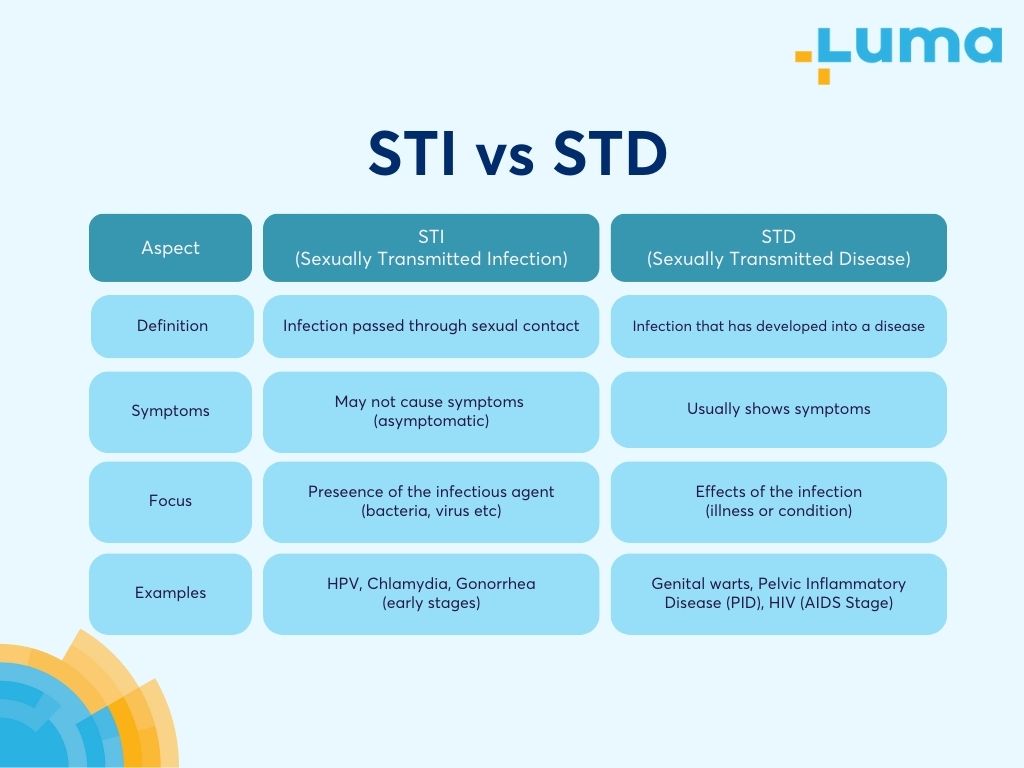
STI vs STD – what’s the difference?

While the terms STI and STD are often used interchangeably, understanding the distinction is important for early detection and prevention. Many STIs don’t show symptoms, yet they can still be transmitted and may progress into more serious conditions (STDs) if left untreated. Being informed helps you take control of your sexual health.

How are STIs transmitted?

STIs can be spread through close physical contact, most commonly known as sexual activity.  Generally, STIs are passed through bodily fluids, however some can be transmitted via skin contact with an infection area.  It’s also important to be aware that STIs can be caught or passed on even if no symptoms are present.

Here are some common transmissions:

  • Sexual activity without protection
  • Sharing personal items that haven’t been cleaned properly.
  • From a parent to baby during pregnancy, childbirth or breastfeeding
  • Through blood transfusions or sharing of needles.

Why You Should Care About STIs in Thailand

Sexually transmitted infections (STIs) are a growing concern in Thailand, where many STIs can show no symptoms but eventually they can lead to serious health issues if left untreated.

Rising STI cases in Thailand

In recent years, Thailand has seen a noticeable increase in reported cases of STIs, especially among young adults and in Bangkok in particular.  In 2024, it was reported that 96.87 of every 100,000 people in Bangkok were diagnosed with an STD, and over 10,879 people in Bangkok have an STD.

The increase in Thailand can be linked to many factors, such as limited awareness of STIs and STDs, inconsistent use of protection and especially the stigma surrounding sexual health.  This could most definitely discourage people from getting tested.

Common STIs in Thailand which you should know about

  • Gonorrhea
  • Chlamydia
  • Hepatitis A, B, and C
  • Genital herpes (HSV)
  • Human Immunodeficiency Virus (HIV)
  • Syphilis

Gonorrhea

Gonorrhea has been around for centuries, and was previously known as ‘the clap’.  While today we understand the cause, a bacterium known as Neisseria gonorrhoeae, the infection is making a comeback globally due to its growing resistance to common antibiotics.


Gonorrhea is usually spread through unprotected sexual activity, and the sharing of unclean personal items.  Furthermore, it can be transmitted through oral sex.  While using protection such as condoms can significantly lower the risk, it does not completely eliminate it as the bacteria can still be transmitted through contact of the infected fluids or skin.


Symptoms, if present, will usually show up within two weeks and can include painful urination and a yellow/green watery discharge.  Unfortunately, many people, especially women, don’t notice these symptoms and when left untreated, gonorrhea can lead to serious health issues such as pelvic inflammatory disease (PID), infertility and an increased risk of other infections.


Gonorrhea is usually treatable, with an antibiotic injection and a cone-time antibiotic tablet.  It is often recommended that a follow-up test is taken to confirm that the infection is fully cleared.  If you feel you are at risk or have concerns, get yourself tested – early detection can make a difference.

Chlamydia

Chlamydial infection is one of the most common sexually transmitted infections around the world. Like gonorrhoea, it is easily transmitted through sex without a condom, oral sex, anal sex and can even occur when you and your partner’s genitals come into contact.


Many people with chlamydia don’t notice any symptoms, however, if signs do appear, they can include discomfort during urination or an unusual discharge – typically within one to three weeks.  Often, the symptoms subside until the disease reaches an advanced stage, when it begins to cause inflammation and severe pain which, if not treated quickly, can make the person sterile. If left untreated, not only do you run the risk of being infertile, but you could find yourself some long-term health problems, including PID, epididymo-orchitis (inflammation of the testicles). That is why it’s important to stay on top of your STI screenings.


A simple urine or swab lab test is all your doctor will need to determine whether you’re positive for Chlamydia. If this is the case, a course of antibiotics should be prescribed and you should avoid having sex until you and your current sexual partner have finished the antibiotics.

sti in Thailand

Hepatitis A, B, C

Contracting one of the hepatitis triplets can sometimes be as easy as do-re-mi.

Hepatitis A is mainly transmitted through poor sanitation and contaminated food – or sometimes through oral or anal sex. The disease can cause swelling of the liver and, in extreme cases, liver failure. Hep A is usually not a serious illness and most people make a full recovery, however, and you can be protected through a vaccination.


Hepatitis B, on the other hand, is far more serious and is particularly common in Southeast Asia. It is usually contracted by exposure to other people’s bodily fluids, or a cut on your skin, but it is also commonly spread through sex. Many people with hepatitis B will not experience symptoms and may even manage to fight off the infection without realizing. However, if symptoms do decide to show up to the party – usually 2 to 3 months after exposure – they include, flu-like symptoms, loss of appetite and yellowing of the skin and eyes.


Infection can result in major liver damage and severely impact your quality of life and life expectancy. The main issue with Hep B is the risk of chronic evolution after the acute phase, which is about 5 to 10% of patients. There is no cure for Hep B, but you can be immunised against it. If you have only been exposed to the virus for a few days, emergency treatment may stop you from becoming infected.


Hepatitis C is endemic in Thailand. It is usually transmitted by sharing contaminated needles in the South East Asian region, and less so through sharing personal care items like razors, or having unprotected sex, although this is rare unless blood is present. Hep C, if left untreated, can lead to cirrhosis of the liver, over time causing the liver to stop working effectively. Be warned: there is no specific preventative medicine or vaccine for Hep C, however it can be treated with medicines that stop the virus from multiplying in the body.


Genital Herpes

The symptoms for genital herpes, HSV-2, are small blisters that burst to leave re, open sores on the sexual organs and thighs, which usually take a couple of weeks to heal. The disease can be contracted sexually or orally (as with the HSV-1 virus) and can be prevalent among the general population. In particular instances of genital herpes men and women may mistake the STD for other bacterial or bladder infections and that’s why regular testing and screening is important.


Unfortunately, there is no cure for either of the HSV viruses but symptoms come and go through occasional relapses. It’s during this relapse that a person with herpes is most contagious to others. If symptoms occur doctors can take a swab and test for genital herpes. If you test positive for genital herpes, you should let your previous partners know that they should get tested too. Whilst there is no cure, antiviral medicine can be prescribed to stop the symptoms from getting worse and cream can be administered for the pain.


HIV and AIDS

HIV is a virus that attacks the immune system and weakens your ability to fight everyday infections and disease. AIDS, the full-blown manifestation of chronic virus HIV, is one of the deadliest diseases to have affected man in recent history. It can be passed from one person to another through sexual contamination.


The first cases of HIV/AIDS were reported in 1984, more than 30 years on the World Health Organization puts the number of deaths from the pandemic at 36 million worldwide. Unfortunately, in Thailand there has been a recent resurgence of HIV among youth, with 23,000 new cases reported in 2012.


HIV infection involves 3 phases:

  1. One or two months after incubation, HIV mimics a short-lived flu infection with a high-fever, headaches and cough.
  2. A ‘long silent period’ that has no symptoms and can last anywhere between 2 to 15 years. This can mean victims don’t realize they’re infected with HIV. This delay in diagnosis allows the disease to become more advanced and the virus progressively weakens the immune system by destroying some specific white blood cells.
  3. The resulting condition is AIDS, when the CD4 count reaches lower than 200 cells/mm3  – in which a number of potentially life-threatening infections and illnesses occur. There is currently no cure for HIV, but there are some effective drug treatments that help to suppress the virus and can support a long and healthy life.


HIV can now rapidly be diagnosed with blood and saliva tests within a few weeks or months of contact with an infected individual. It is now recommended by the center for disease control that people have a HIV screening in their annual health check up.


These days treatment is initiated the moment HIV is diagnosed, with a series of antiviral drugs, which are able to prevent up to 80 to 90 per cent of the cases to full-blown AIDS.


Syphilis

Syphilis is a bacterial infection that is usually acquired through close contact.

Some people with syphilis display no symptoms, but those who do suffer from painless sores or ulcers around the genitals, small skin growths, white patches around the mouth, tiredness and high fever or a blotchy, red rash. In fact syphilis has so many possible symptoms that it could be mistaken for other diseases.


If you’re worried that you might have syphilis, get yourself down to the clinic to be tested because usually syphilis doesn’t go away on its own. The medicine typically requires a prescription from a doctor and comes in the form of an injection to the buttock or a course of antibiotics.


Following treatment, any sexual contact with another person until at least 2 weeks after your treatment finishes.

sti in Thailand

Where to get tested for STIs in Thailand

In Thailand, STI testing is commonly available through various healthcare providers.  There are many government clinics, such as those under the Ministry of Public Health which can offer low-cost testing services and treatments.


Private hospitals such as Samitivej Hospital and Bangkok Hospital also provide comprehensive sexual health services, which are usually shorter in waiting times and offer more privacy.  However, please note that these additional conveniences can come at a higher price.


Non-governmental organizations (NGOs) such as the Thai Red Cross and SWING Foundation also offer STI testing.


What to expect and confidentiality

STI testing in Thailand is generally confidential, especially at private hospitals and NGOs.  Once arrived at the facility, you will most likely be asked for some basic information and possibly a passport or ID number, however, some clinics may allow anonymous testing.


The process often involves a brief consultation with a healthcare representative, a sample collection (blood, urine or swab) and a follow up session to receive your results.  Results are usually available within a few days, however some clinics may offer same-day results for certain tests.


Anonymous and Affordable Options

For those concerned about cost or privacy, Thailand offers several anonymous and low-cost testing options:

  • SWING Foundation Clinics in Bangkok and Pattaya provide free or affordable STI testing, especially for sex workers and LGBTQ+ individuals.

  • Rainbow Sky Association of Thailand (RSAT) offers STI and HIV testing with a focus on the LGBTQ+ community, including mobile testing units.

  • Thai Red Cross Anonymous Clinic allows testing without disclosing your name or ID, and charges are affordable.


Does Health Insurance cover STI tests ?

Whether or not STI tests can be covered by your health insurance in Thailand depends on the coverage and benefits specific to your plan  Some insurance policies, which have outpatient (OPD) benefits or wellness packages, can cover coverage for STI screenings, consultations and prescribed medications or treatments. 

However, entry level plans, or emergency-only plans may exclude preventive services and treatments.  Therefore, it’s important to review your policy or speak with your insurance consultant to understand exactly what is covered.

LUMA Care Application
Contact Us

Copyright © 2026 lumahealth.com. All Rights Reserved.   Privacy Policy & Terms of Conditions