

How Much Does Cancer Treatment Cost in Thailand?

Cancer treatment cost Thailand

Cancer is a leading illness among the population around the world. When people are diagnosed with Cancer, not only does the disease itself take a massive toll on your body, but also choosing to undergo the treatment can be have negative effects on your body as well.

For most people, a significant consideration is medical treatment expenses, this will depend on the type of cancer, the hospital used and treatment approaches such as an operation, a radiation treatment, a hormone medical treatment or chemotherapy, in addition to the duration of treatment.  

With medical technology advancement, innovative treatments, namely brachytherapy and targeted therapy, become the oncologist treatments of choice, but at the same time, they can come with high costs.

Cancer Incidence in Thailand

Cancer is the No.1 cause of death among Thai people with an increasing number of new patients each year (an average of 130,000 new cancer patients, men and women altogether, per year). Based on Thailand’s National Institute of Cancer, it can be seen that the incidence of cancer in Thailand is still below that found in the United States.

Among men in Thailand the most common types of cancer that occur, and their acknowledged risk factors are:

  • Liver and bile duct cancer
  • Lung cancer
  • Colon cancer

For women in Thailand, there are differences in their top three most common cancers. These include:

  • Breast cancer
  • Cervical cancer
  • Liver and bile duct cancer

Cancer treatment in Thailand

Cancer treatment Thailand

Cancer treatment among Thai citizens are covered with the three main health care schemes. However, certain treatments and medications must be privately paid for.

In general, the cost of treatment in Thailand is lower than some western countries and the United States. Especially room rates and nursing service are cheaper (including stay in intensive care or coronary care units). Staying in a comfortable hospital room in one of the reputable hospitals in Bangkok will actually cost about the same as staying at a five-star hotel.

When it comes to cancer treatment, prices vary dependent on the treatment choice such as, surgery, chemotherapy, hormone therapy and radiotherapy. Types of cancer is also a key factor in price variations. However, it is remarked that costs in public hospitals are usually 30-40% lower than that in the private ones.

According to King Chulalongkorn Memorial Hospital, one of the national leading cancer centres, approximate cost of radiation therapy in common cancers are listed below:

  • Breast cancer: 69,300 – 84,500 baht
  • Cervical Cancer: 145,000 baht
  • Lung cancer: 141,100 – 197,600 baht
  • Prostate cancer: 182,400 baht
  • Colon cancer: 103,000 baht

*Prices are subjective to change. Please contact the hospital for further details. www.chulacancer.net

Meanwhile, private hospitals, especially those oncology-specialised hospitals, offer the state-of-the-art technology, facilities, and international-standard services at far higher rates.

According to Roche’s data in 2013, estimated cost for different treatment methods and cancer stages are as follows:

Cancer Treatment Approaches

Some people with cancer will have only one treatment. But most people have a combination of treatments, such as surgery with chemotherapy and/or radiation therapy. It is normal to feel overwhelmed and confused with the treatment options and choices to be made. But, talking with your doctor and learning about the types of treatment you may have can help you feel more in control.


Surgery

When used to treat cancer, surgery is a procedure in which a surgeon removes cancer from your body. Depending on your type of cancer and how advanced it is, surgery can be used to remove the entire tumor, parts of a tumor and used to ease cancer symptoms.


Radiation Therapy

Radiation therapy is a type of cancer treatment that uses high doses of radiation to kill cancer cells and shrink tumors. This method not only kills or slows the growth of cancer cells, it can also affect nearby healthy cells. That means, this can damage to healthy cells and cause side effects.


Brachytherapy

Brachytherapy, sometimes called internal radiation, is one type of radiation therapy that’s used to treat cancer throughout the body.

Brachytherapy allows doctors to deliver higher doses of radiation to more-specific areas of the body, compared with the conventional form of radiation therapy (external beam radiation) that projects radiation from a machine outside of your body.


Chemotherapy

Chemotherapy is a type of cancer treatment that uses drugs to kill cancer cells. However, chemotherapy not only kills fast-growing cancer cells, but also kills or slows the growth of healthy cells that grow and divide quickly. Damage to healthy cells may cause side effects, such as mouth sores, nausea, and hair loss. That may sound frightening, but there are many ways you can help manage chemotherapy side effects; and they often get better or go away after you have finished chemotherapy.


Hormone therapy

Hormone therapy is a cancer treatment that slows or stops the growth of cancer that uses hormones to grow. Hormone therapy is also called hormonal therapy, hormone treatment, or endocrine therapy.


Targeted therapy

The most expensive treatment for cancer. Targeted therapy is the foundation of precision medicine. It is a type of cancer treatment that targets the changes in cancer cells that help them grow, divide, and spread.

Thailand’s leading cancer centres in Thailand

Public

  • National Cancer Institute of Thailand: The leading national institution for cancer control and patient care. Their mission is to develop and manufacture knowledge and technology for cancer and to create policy-oriented recommendations.
  • Siriraj Cancer Center: The center provides comprehensive cancer care and treatment by a multidisciplinary team of cancer specialists, including physicians specializing in cancer and chemotherapy, radiation oncologist, surgical pathologist, anesthesiologist and dietician.
  • Division of therapeutic Radiation and Oncology, King Chulalongkorn Memorial Hospital: This Thailand’s leading cancer center provides a world-class standard of care. In addition to our top-quality care, the Center also places a strong emphasis on doing research and training future specialists in radiation oncology – radiation oncologist, medical physicist and radiotherapist.
  •  Ramathibodi Comprehensive Cancer Center, Mahidol University, Faculty of Medicine Ramathibodi Hospital: Cancer specialists here are dedicated to providing cancer patients the best possible treatment and quality of care. Multi-disciplinary teams see patients whose personalised treatment planning is required.

Private

  • Wattanosoth Hospital: Bangkok Cancer Hospital: With 10 years’ experience as a private dedicated cancer care institution in Thailand, Wattanosoth Hospital provides quality service with regards to prevention, diagnosis, and treatment of cancer patients under the “Concept of Total Cancer Care”.
  • BNH Hospital: For Onco-Gynecology, BNH have established a partnership with Chulalongkorn and MD Anderson from the USA. MD Anderson is one of the most reputable cancer centres in the UK.
  • Bumrungrad Hospital: The renowned hospital is JCI-accredited and treats 1.1 million patients annually across a number of illnesses, including 520,000 international patients.
  • Bangpakok International 9 Hospital: The multi-disciplinary care hospital offers an extensive range of procedures with an internationally-trained medical team comprises of more than 150 physicians.
  • Oncology Center Phyathai2 Hospital:   The hospital offers comprehensive medical services starting from diagnosis to effective cancer treatment provided by well-known medical teams and trained nurses. Also, modern tools and equipment along with MTD Team can give best results of treatment. 

6 Best Hospitals in Chiang Mai

Hospitals in Chiang Mai

Chiang Mai is one of the most culturally significant cities in northern Thailand. The former seat of the Lanna Kingdom boasts a great weather, a remarkable cultural heritage, and stunning mountain scenery. Chiang Mai is popular with tourists and expats alike. If you are considering travelling or settling here, rest assured that healthcare is available as Chiang Mai is also home to several world-class healthcare facilities.

Lanna Hospital

Lanna Hospital offers affordable health services of good quality. It is one of the better choices for modern medical care in Chiang Mai. The hospital has 180 beds and provides specialised care. The hospital’s back pain centre and cardiology ward have a good reputation for their high-quality care throughout the northern region of Thailand. Moreover, international patients are well cared for here. There are English speaking staff and on-site interpreters for Japanese and Mandarin. Many of the resident surgeons and specialists received their medical training overseas. The hospital offers everything from dental procedures to infertility treatments to advanced heart procedures. Extensive in-patient services are also available. For example, the physical rehabilitation centre helps patients regain strength after accidents, cancer treatments or major surgeries. The emergency ward is open 24 hours. A fleet of rapid-response ambulances is always ready to respond to medical emergencies. Should patients require more specialised care, the hospital also offers airlift to other hospitals in Thailand.

Bangkok Hospital Chiang Mai

The original Bangkok Hospital was opened in Bangkok in 1972 by a team of physicians, pharmacists and 30 nurses and has become one of the largest privately owned hospitals in Southeast Asia. Bangkok Hospital Group is Thailand’s largest hospital operator with 40 locations throughout Thailand. Locals and expats living in northern Thailand have high regard for Bangkok Hospital Chiang Mai. The hospital is also JCI-accredited. Bangkok Hospital Chiang Mai has a wide range of specialised centres and clinics such as dental clinic, emergency and trauma centre and ear, nose, throat (ENT) clinic under one roof.  The hospital offers a complete range of medical and surgical specialties, using a patient-focused approach and a multidisciplinary team of highly experienced doctors. For international patients, the hospital’s International Medical Service supports English, Mandarin, Japanese, Korean, Burmese, French and some other languages. For in-patient accommodation, the hospital has a range of facilities from more affordable to expensive superior suites.

Sriphat Medical Center

The Sriphat Medical Center is one of the renowned hospitals with expats living in Chiang Mai. It was founded in 1997 by Chiang Mai University. It was one of the hospitals in Chiang Mai recommended for the 15th ASEAN University Games. The Sriphat Medical Center is a 171-bed general hospital with excellent medical services at very affordable prices. It has over 200 doctors providing care of the highest professional level, with experts in various fields and state-of-the-art technology such as GI centre, stroke centre, heart centre, CCU and ICU with non-laminar flow system and positive pressure control. Even though the hospital is so popular with patients, waiting times are generally short even without an appointment. Also, the hospital has an ambulance service that operates around the clock.

Rajavej Hospital

Rajavej Chiang Mai Hospital was established in 1997. The 150-bed medical facility is located in Chiang Mai’s Mueang district.  The hospital has over 40 physicians on staff, plus specialists and consultants. Moreover, the hospital has various specialized departments such as internal medicine, surgery, paediatrics, gynaecology, dental clinic, dermatology, radiology, ENT, postmenopausal, physical therapy, dialysis, sports medicine, urology, gastrointestinal and liver, cardiovascular, and endocrinology.

Chiangmai International Dental Center CDCI Dental Clinic

Rajavej Chiang Mai Hospital was established in 1997. The 150-bed medical facility is located in Chiang Mai’s Mueang district.  The hospital has over 40 physicians on staff, plus specialists and consultants. Moreover, the hospital has various specialized departments such as internal medicine, surgery, paediatrics, gynaecology, dental clinic, dermatology, radiology, ENT, postmenopausal, physical therapy, dialysis, sports medicine, urology, gastrointestinal and liver, cardiovascular, and endocrinology.

Chiang Mai International Dental Clinic (CIDC) is centrally located in Chiang Mai’s Nimmanhaemin Road. According to the CIDC website, its team of well-experienced and licensed English-speaking dentists consists of certified specialists and professors. They specialise in dental implants, orthodontic braces and cosmetic dentistry including teeth whitening, porcelain veneers, dental crowns and tooth-coloured fillings. The clinic offers advanced instrumentation such as digitalised X-ray machines, CAD/CAM, digitalised scanners, and vacuum autoclave sterilisers. As one of the 15 facilities of the award-winning Dental Corporation Public Co Ltd,  CIDC provides affordable dental to locals and, increasingly, to international patients as well.

With the top 6 hospitals mentioned, Chiang Mai quality healthcare is readily available. However, medical bills can add up quickly. That’s why it’s essential to ensure you’re covered with a personalized Health Insurance plan.

LUMA provides comprehensive health insurance, you can have peace of mind knowing that your medical expenses are taken care of, allowing you to focus on your health and well-being without the financial burden. 

What are the HPV Symptoms, Risks, and Preventions

Picture of Dr. Kaung Myat Kyi

Dr. Kaung Myat Kyi

Medically Reviewed

hpv test

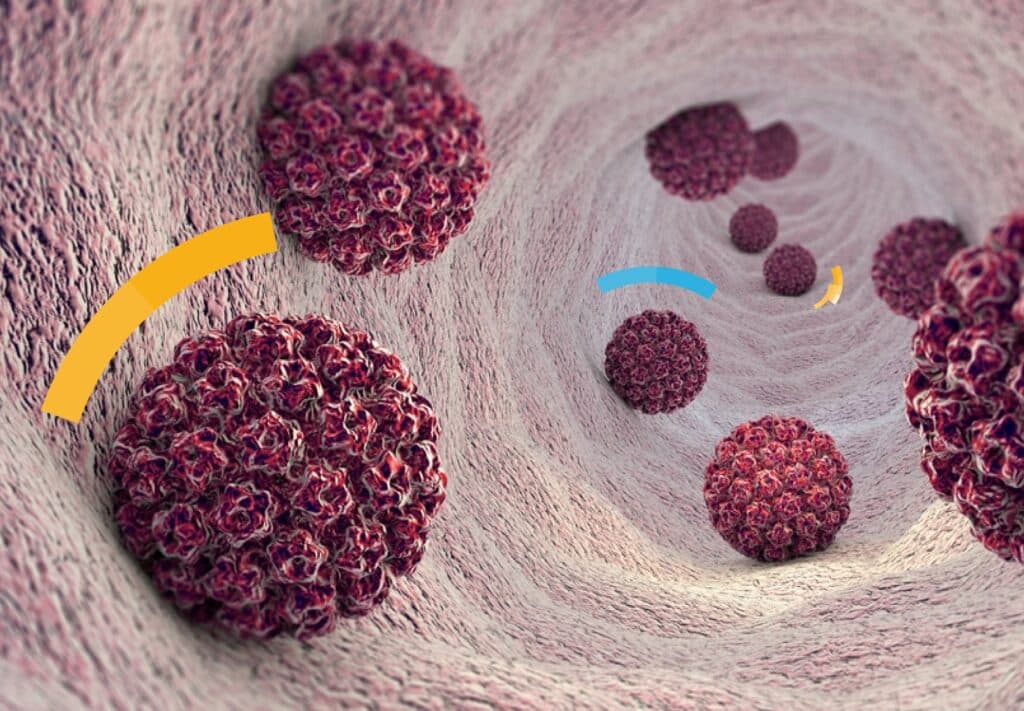
When it comes to health, knowledge is power. And when it comes to HPV (Human Papillomavirus), understanding this widespread virus can be a game-changer in safeguarding your well-being. HPV is a remarkably common virus with over 100 types, and it can lead to a range of health issues, from warts to cancer. In this comprehensive guide, we’ll delve into the depths of HPV, discussing its transmission, risks, prevention, and the importance of regular screenings. So, let’s get started on the journey to HPV awareness and prevention.

HPV, or Human Papillomavirus, is a group of viruses that can infect various parts of the body. With over 100 different types, HPV is incredibly prevalent, making it one of the most common sexually transmitted infections (STIs) worldwide.

hpv symptoms

How is HPV Transmitted?

HPV is primarily transmitted through skin-to-skin contact, most commonly during sexual activities. This includes vaginal, anal, and oral sex. However, it’s important to note that HPV can also be spread through non-sexual means, such as simple skin-to-skin contact.

What are the HPV symptoms?

Individuals who are HIV-positive or engage in same-sex male (MSM) sexual activities may face additional risks related to HPV. These populations may need special tests and more vigilant monitoring to catch and manage potential HPV-related health issues.

HPV: The Silent Invader

Lack of Symptoms

One of the perplexing aspects of HPV is that it often remains asymptomatic, especially in the genital region. Many people infected with HPV may not even know they have it, as there are no visible signs or discomfort.

Warts and Cancer

Warts caused by HPV can appear later on, but high-risk HPV types can lead to cancer without any apparent symptoms. This is why early detection through screenings is crucial.

The Link Between HPV and Cancer

HPV and Cervical Cancer

One of the most concerning aspects of HPV is its association with cervical cancer. Certain high-risk types of HPV can lead to the development of abnormal cervical cells, which, if left untreated, can progress into cervical cancer. This is why regular screenings, particularly for women, are of paramount importance.

HPV and Other Cancers

While cervical cancer is the most well-known consequence of HPV infection, it’s not the only one. HPV has been linked to various other cancers, including anal, penile, vulvar, and oropharyngeal cancers. Men are also at risk, and it’s crucial for everyone, regardless of gender, to be aware of these potential dangers.

hpv treatment

What is the treatment for HPV?

While there is no cure for HPV itself, treatments are available to manage its effects. These treatments focus on removing warts and addressing abnormal cervical cells. However, they do not eliminate the virus from the body entirely. It is best to understand prevents for HPV and which methods you should undertake. Cancers related to HPV need to be treated accordingly.

How to diagnose HPV?

Yes, it’s a good idea. The most common methods for diagnosing HPV-related issues are Pap smears and HPV tests. Pap smears are used to detect abnormal cervical cells, while HPV tests directly identify the presence of the virus. Pap smears are the most reliable and accessible tests to prevent cervical cancer caused by HPV.

Pap Smears: Pap smears, also known as Pap tests or cervical cytology, are a tried-and-true method used to detect abnormal cervical cells in the cervix. During this procedure, a healthcare provider gently collects a sample of cells from the cervix, which is then carefully examined under a microscope. Pap smears are especially effective in identifying precancerous or cancerous changes in cervical cells, allowing for early intervention and treatment.

HPV Tests: In addition to Pap smears, HPV tests are a crucial tool in diagnosing HPV infections. These tests directly identify the presence of the HPV virus in cervical cells. A sample is collected in a similar manner to a Pap smear, but the focus is on detecting the genetic material of the virus itself. This is particularly valuable in identifying high-risk HPV types that may not manifest as abnormal cells, yet still pose a cancer risk.

How can I Prevent HPV?

Prevention is the key to dealing with HPV effectively. Here are some essential measures:

  • Vaccination
  • Pap smears
  • Safer sex practices is the most effective way to safeguard your health.

Vaccination

HPV vaccines are highly effective in preventing infection with the most common high-risk types of the virus which can cause cervical cancer. Vaccination is recommended for both males and females, ideally before becoming sexually active.

Regular Screenings

Regular screenings, especially for women, are essential to detect any abnormal cervical cells or signs of cancer early on. Early detection can make a significant difference in treatment outcomes.

Safer Sex

Practicing safer sex, such as using condoms, can reduce the risk of HPV transmission. However, it’s essential to remember that condoms do not provide complete protection, as HPV can infect areas not covered by condoms.

HPV and the Immune System

In most cases, the body’s immune system can clear the HPV virus naturally over time. This means that while there is no cure, the virus often becomes non-contagious once the immune system eliminates it. However, this does not eliminate the risk of serious health complications that can develop.

HPV is a widespread virus with numerous types, some of which can lead to warts or cancer. Its transmission primarily occurs through sexual contact, but it can also spread through skin-to-skin contact. Regular screenings, especially for women, are vital in detecting and managing HPV-related health issues. 

hpv vaccine

Learn more about Health Insurance in Thailand

Having comprehensive health insurance coverage ensures that you can access timely and essential healthcare services without the burden of exorbitant medical bills of HPV-related cancers. It’s crucial to explore insurance plans that cover HPV vaccinations, screenings, and treatments. Prioritizing health insurance not only provides financial protection but also promotes early detection and prevention, enhancing your overall health and peace of mind. So, invest in your health by obtaining the right coverage today.

LUMA Care Application
Contact Us

Copyright © 2026 lumahealth.com. All Rights Reserved.   Privacy Policy & Terms of Conditions