

Guide to health insurance exclusions: Pre-existing conditions

health insurance exclusions

If you’re reading this, you know that health insurance is important. It can help you save money yet get the very best treatment in the event of a serious illness or accident. However, you want to make sure you understand what is not covered (also known as ‘exclusions’) before you purchase a plan.Most private health insurance policies are designed to cover new medical conditions that occur after your insurance policy goes into effect. Health insurance companies refer to medical conditions that you have before your policy starts as “pre-existing conditions”. 

What is a pre-existing condition?

Pre-existing conditions are medical conditions that you have before your health insurance policy starts

So what do health insurance companies mean by “pre-existing condition”? A pre-existing condition can refer to the following:

  • A past injury or illness that you have already recovered from (such as a broken ankle from your youth)

  • Symptoms which you have yet to seek medical advice, treatment or consultation (such as pains, lumps, bleeding etc.)

  • Any ongoing treatment you are currently receiving (such as medications or other forms of therapy)

  • A condition you already have, but you are not aware of (for example, a growing tumor in your body)

Will all your pre-existing conditions be excluded from coverage? Not necessarily. The degree to which your pre-existing condition can be accepted will vary according to company and health insurance plans.

health insurance policy

Always declare your medical conditions when filling health insurance application

One effective way to find out if your pre-existing conditions will be covered is to make the health insurance company aware of it through a medical declaration – and ask for their terms of acceptance.In addition to the medical declaration, you are recommended to ask the following questions: 

If I go see a doctor a week after my policy starts, will I be covered?

Here are some possible scenarios:

  • If the visit is related to a symptom you experienced before your plan started (such as a pain in your right leg) then it will be considered as ‘pre-existing’ and most insurance companies will not cover it.

  • On the other hand, if you were feeling great with no symptoms at the plan start date, but a week later contracted malaria leading to a stay in the hospital; then most health insurance plans will cover it – as it is not ‘pre-existing’. Be aware than many health insurance plans impose a waiting period on certain benefits. For example, some companies may exclude all treatments other than accidents for the first 30 days of the policy.


What if there were no symptoms when I purchased my insurance and I am later diagnosed with a tumor that had been in my body for months before my insurance plan started, will I be covered?

Here are some possible scenarios:

  • Some health insurance companies will consider this tumor as pre-existing – because it existed before the time your plan started – and will not cover it.

  • On the other hand, some health insurance companies will not consider this as pre-existing – as you were not aware of it at the plan start date.

If I am currently taking medications or receiving treatments, will I be covered?

Consult your health insurance representative about ongoing medication
Most private health insurance policies will not cover ongoing treatments. However some companies may charge you extra in order to cover these conditions.

If I’ve experienced an illness or injury in the past and I’ve fully recovered, will I be covered for these conditions if they re-appear?

This will depend on the chance of the condition re-appearing as well as the underwriting terms and varying practice of different companies.

health insurance medical exclusions

The bottom line:
Different health insurance companies have different approach to ‘pre-existing conditions’. Read their definition, declare your medical conditions and ask the right questions to ensure you understand the coverage before you buy.


Traditional Thai Massage: Benefit for your health

One of the best ways to care for your body and mind is to incorporate massages as part of your weekly self-care routine. Massages generally aid with pain relief for muscles, tendons and joints, as well as relief of stress and anxiety. The wide range of massages available include deep tissue massage, aromatherapy massage, foot reflexology, Swedish massage, and traditional Thai massage, amongst others. Traditional Thai massage, in particular, has always been a popular option for most people due to distinct techniques involved in its provision of service.

Thai massage

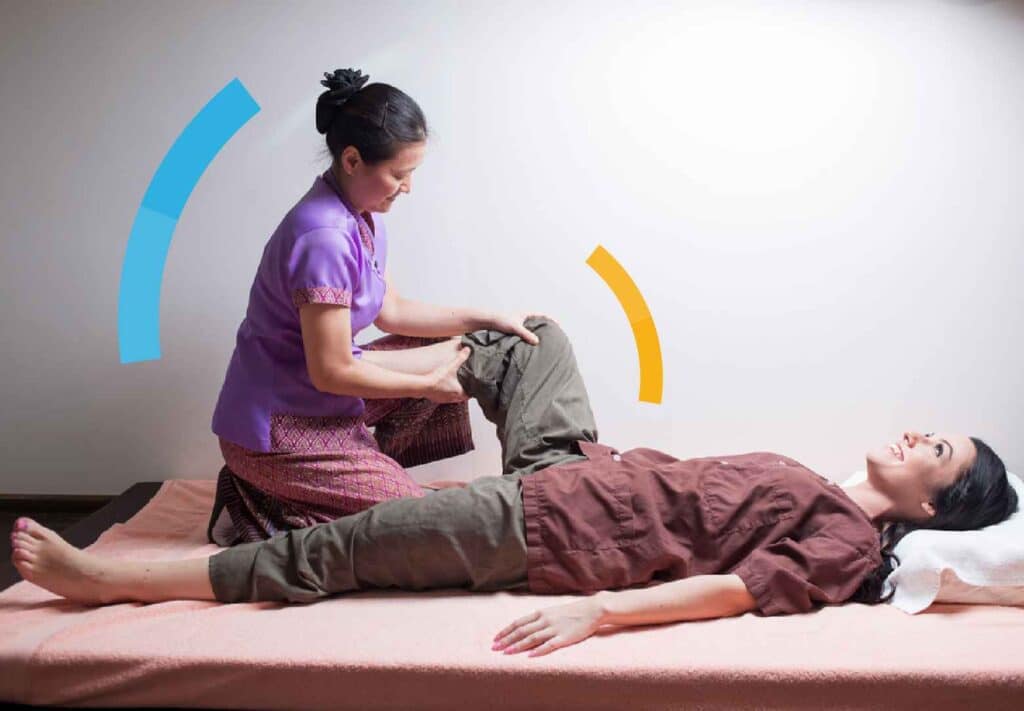
Clearly different from other massage types and usually involving massage oils, traditional Thai massage focuses on stretching, pulling and rocking movements. It incorporates use of the therapist’s hands, knees, legs and feet to apply deep muscle compression, joint mobilisation and acupressure. Here are some of the health benefits that can be obtained through a Thai massage.

Thai tradtional massage equiptments

Lowering of Stress Levels

It is important to note that undergoing stress is not entirely a bad thing. In fact, stress can actually sometimes act as a key component in motivating an individual to push towards achieving both professional and personal goals. However, too much stress can impact an individual negatively, particularly affecting them physically and mentally.

Chronic bouts of stress can lead to serious illnesses, which include depression and cardiovascular disease. Opting for a traditional Thai massage would be able to alleviate stress levels significantly by using gentle pressure and stretching techniques to provide total-body relaxation.


Relieving a Range of Back Pains

Being a complete full body massage and treatment modality, a traditional Thai massage can effectively alleviate or cure back pains structurally. Most cases of back pain stem from a combination of weakness in the back and core muscles, or from shortened or contracted muscles of the legs and abdominal area. 

A Thai massage will be able to cure or relieve these pains through various methods such as relaxation techniques to stretch or trigger the nerves, stretching techniques to open up and mobilize the joints, deep abdominal massage to dissipate knots and adhesions, and cracks to re-align the thoracic and lumbar vertebrae. 

Thai traditional massage leg stretch

Promoting Good Blood Circulation

By incorporating use of gentle, yoga-like stretches, a traditional Thai massage promotes great blood circulation, which oxygenates your body’s tissues. This in turn aids with the process of cell growth in your body, as well as improved heart health. Similarly, use of acupressure and various other techniques is able to stimulate the mobilisation of toxins and waste products out of the body, as well as movement of lymphs, which are white blood cells that fight infections throughout the body.

A traditional Thai massage can also help those who are afflicted by peripheral neuropathy, which is a common complication linked to diabetes. By improving blood circulation, it stimulates and improves the somatosensory system, which plays a major role in balance.


Increasing Your Range of Motion

Apart from promoting blood circulation and lymph movement, the gradual and gentle stretches which are part of a traditional Thai massage can increase a person’s flexibility over a period of time, thus enabling an improvement in the individual’s range of motion.

In addition to that, Thai massage can also better the circulation of fluid in the joints, which is known as synovial fluid, thus reducing friction between joints. As a result, you will be able to attain maximum flexibility throughout your entire body, improve athletic performance and prevent active lifestyle injuries.

Massage energy in Thailand

Providing an Energy Boost

The techniques performed during a traditional Thai massage is founded upon the understanding that the human body is made up of energy lines called “sen”. These channels of energy correspond to individual parts of the body, which include the bones, muscles, blood and nerves. There are also other “sen” channels, called subtle channels, which can affect the mind and consciousness.

Theoretically speaking, muscle tightness causes blockages within these different “sens”. As a result, these blockages limit the flow of life energy, causing stiffness, pain and illness. For example, athletes are susceptible to fatigue, muscle and joint pain, or worse, injury while training or competing. This is the reason why most athletes work with a specialized sports massage therapist regularly. By incorporating use of a traditional Thai massage, athletes or even non-athletes who lead active lifestyles are able to gradually stretch their whole body, providing deeper, more restorative stretches as compared to other forms of assisted stretching techniques. Combined with adequate rest time to relax the body, physically active individuals will be able to achieve optimum energy restoration.

Before partaking in a traditional Thai massage, it would be best to keep a basic checklist of items. Firstly, ensure that your massage therapist has a to-date copy of your complete medical history, as individuals who bear certain medical conditions are advised to refrain from massage. Also, be sure to wear loose, comfortable clothing, and not consume a heavy meal prior to the massage session. If you are planning to have a child or in the early stages of pregnancy, it would be best to consult a doctor beforehand. With all of these in check, you are bound to experience the bountiful benefits of traditional Thai massage.


Food poisoning in Thailand – is it covered by travel insurance?

Most comprehensive travel insurance cover food poisoning as food poisoning, however, each policy is different so be sure to read carefully. Food Poisoning is common for first-time travelers, and with Thailand’s delicious street food scene, it is hard to resist all of the delicious-looking food. While most cases are mild and resolve on their own, some can be severe and require medical attention.  Knowing if your travel insurance covers food poisoning in Thailand can give you peace of mind while you explore all of the street food.

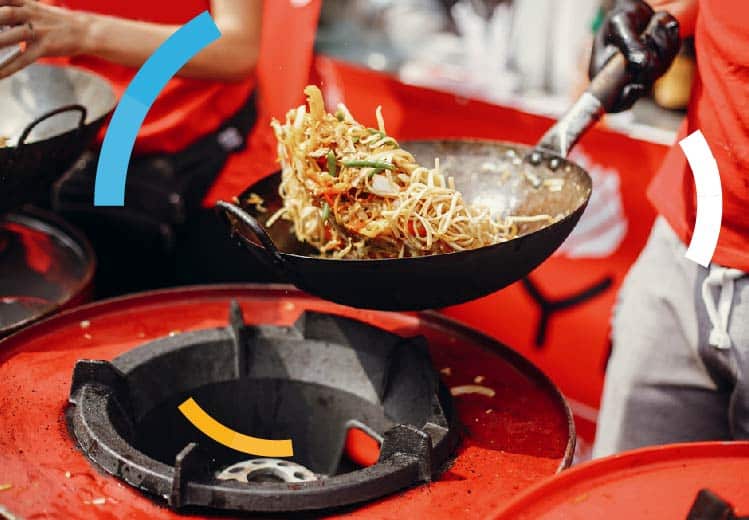
food poisoning street food

Here’s the breakdown:

  • Most travel insurance policies for Thailand cover medical expenses incurred due to food poisoning. This typically includes doctor consultations, medication, and hospitalization costs if necessary. However, it’s crucial to check the specifics of your policy wording to ensure food poisoning is explicitly mentioned under medical coverage.
  • Be aware of exclusions. Some policies might exclude pre-existing medical conditions that contribute to food poisoning susceptibility. Additionally, some might have limitations on coverage amounts or require hospitalization for reimbursement.
  • Always get a medical report. Regardless of policy details,  a doctor’s report detailing your food poisoning diagnosis and treatment received is essential for claiming any medical expenses.
 

Recommendation:  Contact your travel insurance provider before your trip to Thailand. Ask them to clarify if food poisoning is covered under your medical expense clause and inquire about any specific requirements for claiming reimbursement.

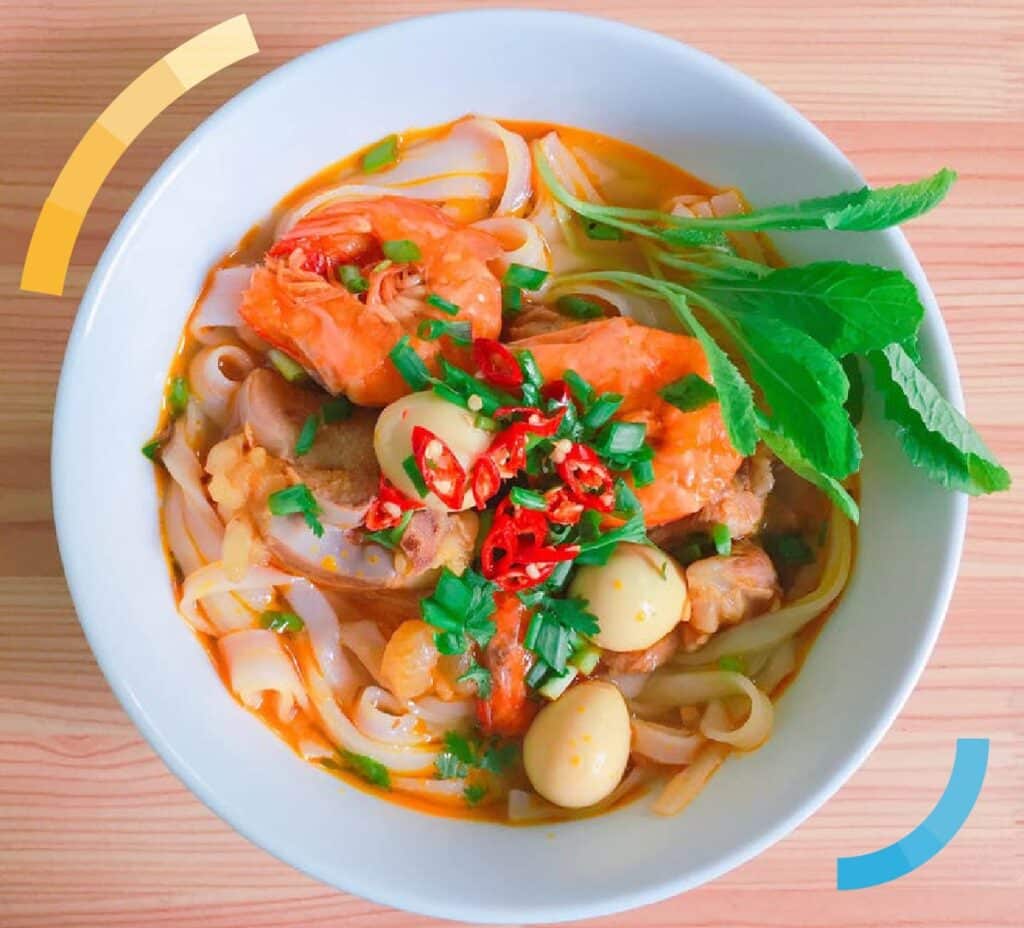
street food tomyum food poisoning

What to do if you have food poisoning in Thailand?

Getting food poisoning can put a damper on your trip. Here’s what to do if you find yourself struck down by this unpleasant illness:

  1. Hydrate! Dehydration is a major risk with food poisoning, especially in Thailand’s hot climate.  Sip on clean water, or an oral rehydration solution (ORS) readily available at 7/11 (which are everywhere in major cities) or pharmacies, to replenish lost fluids and electrolytes.
  2.  Rest. Your body needs all its energy to fight off the infection. It’s not always easy to do when you are on holiday but take it easy and avoid strenuous activities.
  3. Diet:  Avoid harsh foods that can further irritate your digestive system. Stick to bland, easily digestible options like plain rice, toast, or bananas. Gradually introduce other foods as your symptoms improve.
  4. Over-the-counter medication:  Consider over-the-counter medications for symptom relief.  These may include anti-diarrheal medication (loperamide) or anti-emetics (anti-nausea medication) depending on your symptoms. However, it’s important to consult with a pharmacist to ensure these medications are safe for you.
  5. Seek medical attention:  If your symptoms worsen or persist for more than 3 days, high fever develops, or you experience severe dehydration (dizziness, dry mouth, little to no urination),  consult a doctor immediately.

To find a hospital you can refer to our guide on hospitals in Thailand. There are some recommendations and how to choose the best one depending on your location.


How to claim for food poisoning?

If you require medical attention for food poisoning in Thailand and have travel insurance, here’s how to claim for reimbursement:

  1. Keep all receipts.  Collect receipts for all medical consultations, medication purchases, and any other relevant expenses.
  2. File a claim with your insurance provider.  Contact your travel insurance provider as soon as possible and  initiate the claim process. They will typically have a claim form to be filled out,  along with your medical report and receipts; some companies like LUMA, have their own app in which you can upload your documents and claim everything online.
  3. Be prepared to answer questions.  Your insurance provider might ask you about the details of your illness, the food you suspect caused it, and any pre-existing medical conditions you may have.
street food fruit food poisoning

How to avoid getting food poisoning in Thailand?

Here are some tips to minimize your risk of food poisoning in Thailand:

  • Stick to reputable vendors.  Choose stalls with high customer turnover and good hygiene practices. Look for clean preparation areas and staff using proper handwashing techniques.
  • Beware of raw ingredients.  While some raw dishes like papaya salad (som tam) are safe at established restaurants, it’s generally safer to opt for cooked dishes, especially when at street vendors. The hotter the better!
  • Ditch the ice.  Ice cubes in drinks can be a source of contamination if made with unclean water.  Stick to bottled water or sealed beverages.
  • Be cautious with seafood. Thailand has a lot to offer when it comes to seafood, ensure your seafood is fresh and properly cooked. Avoid dishes that have been sitting out for extended periods.
 

By following these tips and having the right travel insurance that covers you for food poisoning, you can minimize the risk and enjoy the delicious world of Thai cuisine with peace of mind.

LUMA Care Application
Contact Us

Copyright © 2026 lumahealth.com. All Rights Reserved.   Privacy Policy & Terms of Conditions