

As LUMA’s Chief Administrative Officer, Frédérique Saurat explains how a simple behavioral assessment can quietly strengthen the way we hire and manage teams.
I’ve spent years learning to read people, not from textbooks or tools, but from life itself. Moving between France, USA, China, and now Thailand has taught me something simple: people aren’t difficult, they’re just different. And when you take the time to understand those differences, things get easier for everyone.
Where it all began.
Recruitment processes and expectations shift across cultures, and during an interview, that short window with the pressure to impress can sometimes paint a picture that’s too good to be true. Over time, we realized we needed a common language – one that works across borders and helps us slow down when the conversation feels great, but the role fit might not be there.
We started exploring with recruitment agencies, to find great fits for the roles we needed, and that’s where the conversation started. A trusted recruiter introduced us to the Predictive Index, which is a behavioral and cognitive assessment tool, a simple 8‑minute behavioral assessment with quite an interesting origin story. It grew from a wartime insight: teams perform when you match work to how people naturally operate. Today, it’s translated into more than 65 languages, to really capture the true nature of a person, as it works best in your mother tongue language, because even small word choices can affect how people describe or even present themselves.
A small step added, with big impacts.
The behavioral assessment we use is very simple, it’s two questions. It’s not hundreds of questions, it’s not complex thought processes, it’s something that should be very straightforward for anyone, regardless of their age, culture or experience.
The assessment reveals working tendencies and signals whether someone would fit well in a specific role based on the job description or department. It surfaces insights about areas that may not naturally come up during interviews or in the supporting documents we use to make hiring decisions.
Making recruitment decisions with confidence.
Hiring is challenging when our exposure is so brief. A CV is just a piece of paper; an interview lasts only an hour. Making a long-term decision on that alone invites bias and avoidable mistakes, so we add a small, consistent signal to steady our decision-making process.
We start with a clean slate, trusting our instincts for the first interview without any assessment data. This allows us to truly listen to the candidate, following the understanding we had from the CV we chose.
When the interview goes well and the CV looks strong, we conduct the assessment before scheduling a second interview. This gives us unbiased data before we move forward based on emotion alone. We then review the assessment results alongside the job description to double-check role fit. When the data and job fit don’t align, we slow down and examine the situation from different angles.
We talk it through as a team and make the call together. But no matter how strong the assessment looks, the final interview is always in person—we sit down face-to-face with the candidate before any decision is made. That’s where gut feeling and data finally come together.
It doesn’t stop at recruitment—it also helps us manage our people.
When a manager who likes clear structure works with someone who thrives on independence, we don’t try to change either person—we adjust how they work together. That might mean regular check-ins, more freedom to work independently, clear hand-offs, or knowing when rules must be followed. We fix how people work together, not the people themselves. This turns conflict into a solvable process problem.

How it’s helped us improve.
- We’ve made fewer hiring mistakes by pausing when an interview feels too perfect
- We’ve resolved team friction faster by understanding how people naturally work
- We’ve placed people more confidently in roles that bring the best out of themselves
It took a few mis-hires before we learned this lesson. The tool doesn’t make the decision—we do. It just helps us see what we might have missed when the pressure’s on or the conversation feels too good to be true. Think of it like a second pair of eyes. It catches the small mismatches we’d otherwise overlook in recruitment, team dynamics, and daily collaboration. We have the confidence to ask harder questions, adjust how people work together, and design workflows that fit natural working styles. But at the end of the day, we’re still the ones reading the room and making the call.
Our 2026 focus: A shared language for high-performing teams
In 2026, I want to give our managers a shared language to understand each other better—so we can build stronger teams and move the company forward together. We’ll keep hiring fair and thoughtful. We’ll track what matters and share what we learn. And we’ll help people understand the reasoning behind decisions, using the assessment to work better as a group—not to label anyone, but to find real solutions that help everyone and grow the company.
Teams that feel understood deliver better, especially across borders and under pressure. If we do this right, people bring their best, managers coach with confidence, and clients feel the difference in every interaction.
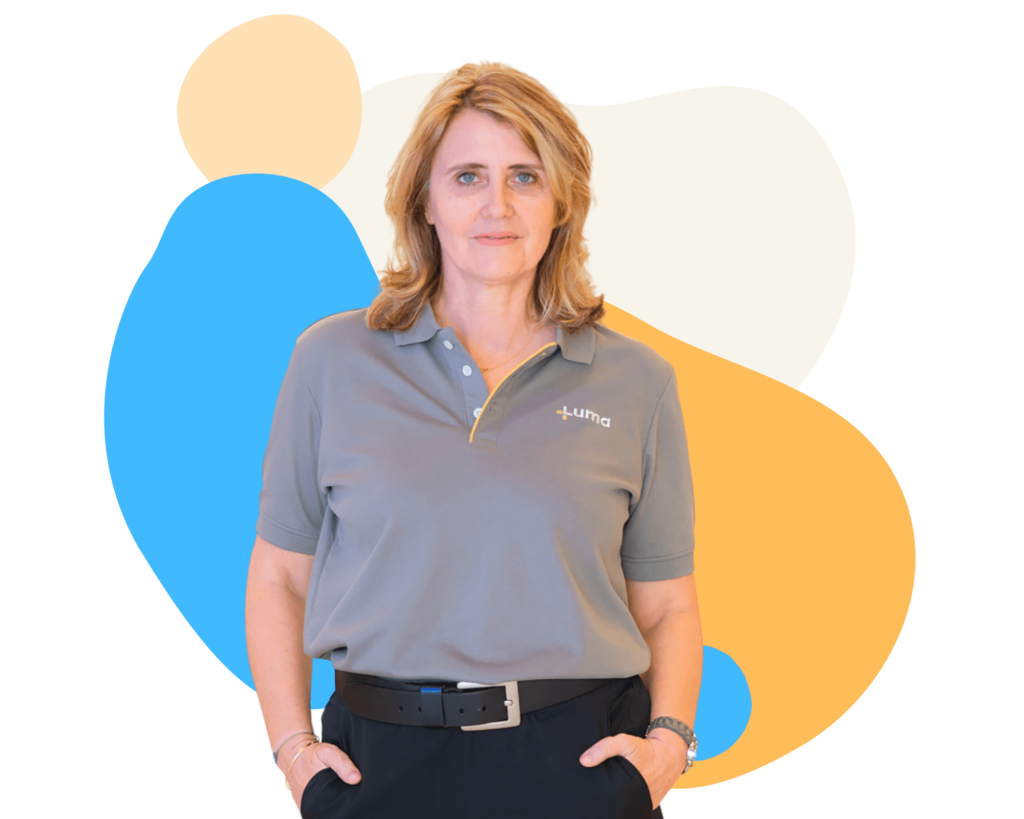
This article was written by Frédérique, sharing her experience on managing different personalities and teams, and how the usage of tools can come into play.
Frédérique Saurat