

Working across cultures is both an art and a learning journey. With experience in France, America, China, and Southeast Asia, Frédérique Saurat, our Chief Administrative Officer, shares her perspective on managing multicultural teams — offering valuable insights from her global leadership experience.
I’ve spent over 20 years working around the world, from France, USA, China, and now Thailand. For the past several years, I’ve been CAO at LUMA, where I oversee finance, HR, admin, and operations. LUMA’s DNA is multicultural: from our founders who are Thai and French, our team spans many nationalities, as well as our clients include NGOs, expats, and multinational organizations across Southeast Asia.
Working in this environment has taught me that managing multicultural teams isn’t just about being aware of differences. It’s about turning those differences into strengths. Here are some of the lessons and practical tips I’ve learned along the way.
Respect Is Universal
One piece of advice I often heard in Asia was “never let people lose face.” That’s good advice, but the truth is broader: no one in any culture wants to lose face.
Whether you’re in Bangkok, New York, or Paris, people respond to respect. Feedback can overcome cultural boundaries when it’s delivered privately, constructively, and with dignity. Respect is the common ground that makes trust possible.
Tips for Leaders:
- Give feedback one-on-one, not in front of others.
- Focus on constructive improvement rather than criticism.
- Acknowledge contributions publicly, correct privately.
Authenticity Builds Trust
In multicultural environments, it can be tempting to over-adapt your personality to “fit” the local culture. My experience has been that this doesn’t work, and people can quickly see through it.
The key is to remain authentic while being sensitive. Your team doesn’t need you to become a copy of them — they need you to be genuine, consistent, and humble. Authenticity builds credibility that lasts.
Tips for Leaders:
- Don’t pretend to be an expert in a culture you don’t fully know — instead, show curiosity.
- Admit what you don’t know and invite your team to teach you.
- Lead with consistency — people trust what feels genuine and stable.
Invite Voices in Hierarchical Cultures
In many Asian workplaces, hierarchy is strong. Employees may hesitate to ask questions, challenge managers, or even raise concerns.
As leaders, we need to actively open the door. I make a point of asking questions, encouraging input, and explaining the “why” behind goals and KPIs. When people understand context, they don’t feel pressured but they feel included.
Tips for Leaders:
- Create “safe space” meetings where all levels can speak freely.
- Ask direct, open-ended questions: “What would you improve?” or “What do you see from your perspective?”
- Share the reasoning behind decisions to build acceptance.
Acknowledge Cultural and Family Influences
Every culture has its unique influences. In Thailand, work often feels like family. Colleagues don’t just work together — they eat together, socialize after hours, and form lasting bonds.
Family obligations also play a major role in career decisions. I’ve seen talented employees prioritize parental expectations or family needs over promotions or relocations. This isn’t disengagement, it’s a cultural reality that leaders should respect.
Tips for Leaders:
- Recognize family commitments and allow flexibility where possible.
- Encourage team bonding outside of work — shared meals, cultural celebrations.
- Understand cultural humility: some employees won’t self-promote or ask questions, so leaders must look deeper.

Use Tools to Bridge Differences
Culture and language gaps can make it hard to understand how people prefer to work. That’s why we use behavioral and personality tests in recruitment and team management.
These behavioral assessments reduce mismatches and explain why colleagues approach tasks differently. I’ve used them to resolve conflicts by showing teams their contrasting profiles and once people understood their differences, collaboration improved.
Tips for Leaders:
- Use personality or work-style assessments to increase self-awareness.
- Share results openly with teams to spark discussions about differences.
- Use tools as a starting point for empathy, not a box to put people in.
Lead with Emotional Intelligence
Not every misunderstanding is a conflict. Often, it’s simply a lack of clarity. Leaders with emotional intelligence can sense when moods, stress, or misunderstandings are creating friction — and step in before issues escalate.
I also believe in the power of apologizing. Too often, leaders see admitting mistakes as weakness. In my experience, it’s the opposite — an apology builds credibility and shows humanity.
Tips for Leaders:
- Pay attention to body language and tone, not just words.
- Don’t assume silence means agreement — check in privately.
- Model humility: admit mistakes, and others will feel safe to do the same.
Be Globally Ready: Evolve With Society
The world itself is becoming more blended — physically, virtually, and culturally. Populations are mixing, and future generations will look and live differently than today.
I once spoke with a cosmetics specialist who explained how companies are already preparing for the future. In 10 to 20 years, hair types and skin tones will be even more diverse due to population mixing. These changes demand new products that don’t exist today but will soon be essential.
The same is true for organizations. Our employees will continue to become more diverse, just like our clients. To stay relevant, we must constantly adapt, evolve, and prepare for needs that aren’t obvious today but will shape tomorrow. That’s what I call being globally ready.
Tips for Leaders:
- Regularly review workplace policies through a “future lens.”
- Anticipate how evolving demographics might affect employee expectations.
- Stay flexible — don’t build systems that assume today’s workforce will look the same tomorrow.
Closing Thoughts
Multicultural teams bring diversity of thought, creativity, and resilience. They reflect the global clients we serve, and they challenge us to keep evolving.
But they don’t thrive on autopilot. They require conscious leadership: respect, authenticity, emotional intelligence, the right tools, and a readiness to adapt to the world as it changes.
For me, the biggest lesson is this: When you manage cultural differences well, they stop being challenges and they become your greatest advantage.
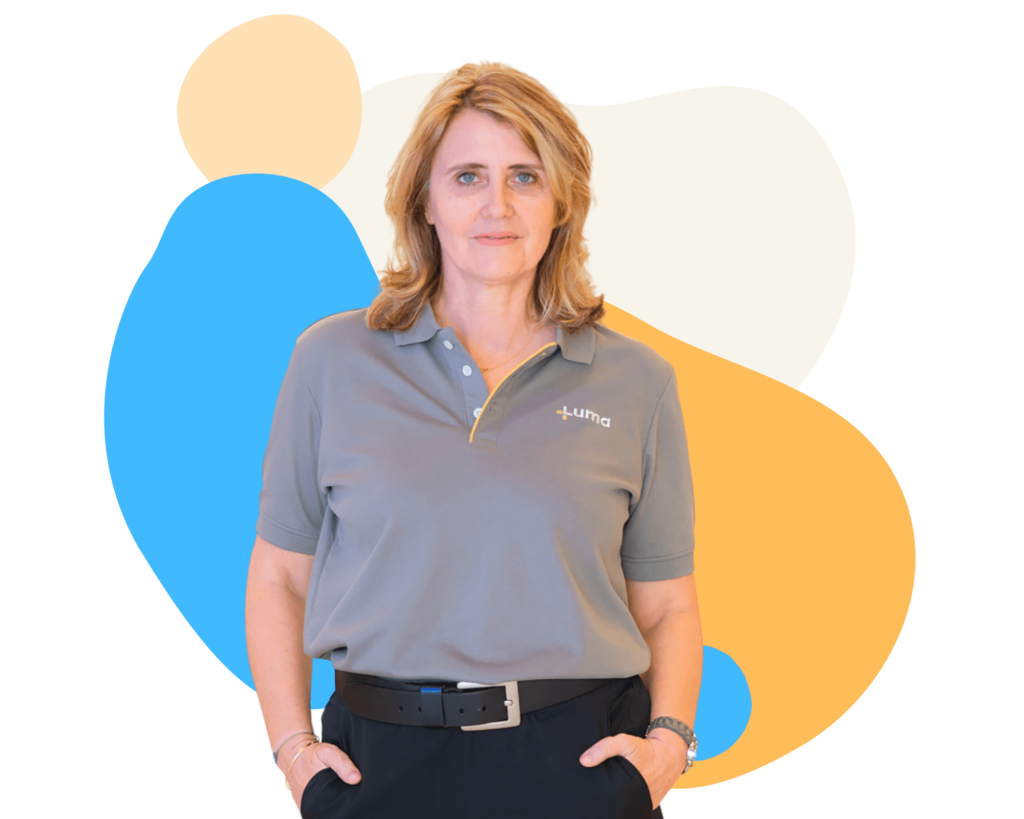
This article was written by Frédérique, sharing her experience and lessons on multicultural work teams through her experience from France, America, China and Southeast Asia.
Frédérique Saurat