


Dr. Thet is a key member of the LUMA medical team. With clinical experience practicing in the United Kingdom, Jamaica, and Southeast Asia, she brings a global perspective to local healthcare. Dr. Thet focuses on providing clear, honest medical advice to help patients navigate complex health decisions and achieve long-term wellbeing.
With so much news on social media today, headlines often try to scare people instead of explaining the full story. For many women, the question “Is there a link between contraceptive pills and a risk of breast cancer?” causes a lot of worry.
The medical reality is that a link does exist, but it is only one small part of your personal health.
How Hormones Affect Risk
The relationship between birth control and breast cancer is about biology. Hormones like estrogen and progesterone can affect breast tissue. Using these hormones for a long time—whether in the pill or Hormone Replacement Therapy (HRT)—can slightly increase the risk of breast cancer.
However, this risk has two important features:
- It is not permanent: The most important finding in recent research is that the risk is temporary. Once you stop taking the pill, your risk levels begin to go back to normal.
- It is a small increase: While you might hear that the risk is 24% higher, this is a “relative” number. For a young, healthy woman, the actual chance of getting breast cancer remains very low.
Understanding Your Total Risk
A frequently cited figure in clinical literature suggests that women using hormonal birth control have approximately a 24% higher rate of breast cancer than those who do not. While that percentage sounds high, it represents relative risk, not absolute risk.
For a young woman with no other risk factors, the absolute probability of developing breast cancer remains very low. Furthermore, many of these studies face limitations, including:
- Heterogeneity: Differences in age groups and lifestyle factors are often not perfectly controlled.
- Regional Gaps: A lack of diverse data from various global populations means findings should be interpreted with professional caution.
Breast cancer risk is rarely the result of a single factor. To focus exclusively on the pill is to ignore the “bigger picture” of oncology. In many cases, lifestyle and genetic factors carry a much heavier weight.
| Factor | Influence on Risk |
|---|---|
| Genetics | High (e.g. BRCA1 / BRACA2 mutations) |
| Age | Significant (Risk rises sharply after age 50) |
| Family History | High (Includes close relatives and even extended family) |
| Lifestyle | Moderate to High (Alcohol use, obesity, and lack of exercise) |
| Contraception | Low to Moderate (Often outweighed by clinical benefits) |
For many, maintaining a healthy weight and limiting alcohol consumption can have a more profound impact on reducing cancer risk than discontinuing a necessary hormonal medication.
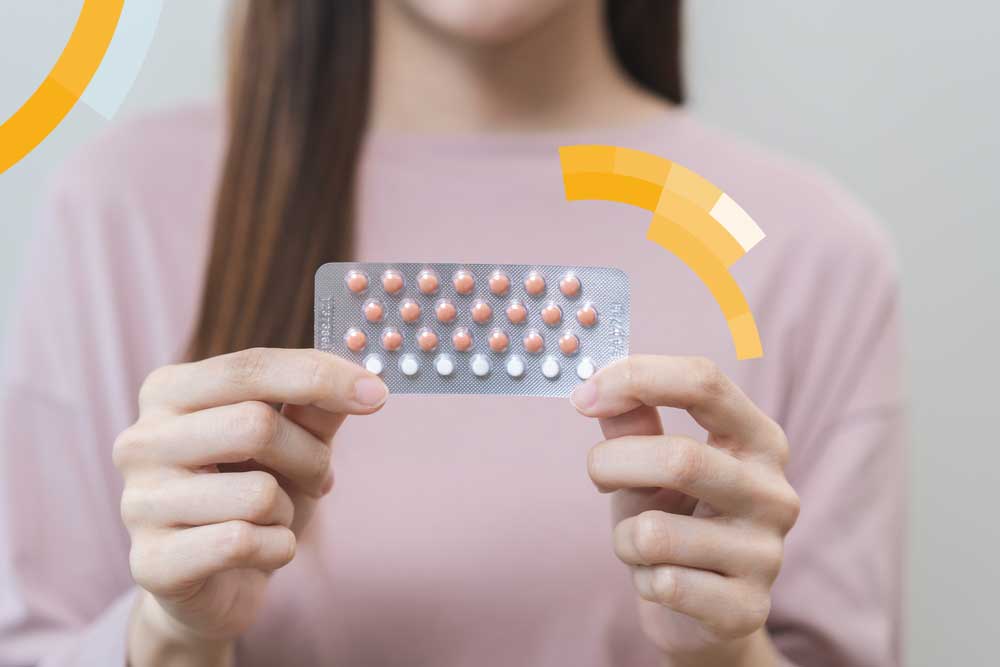
Why a Doctor’s Consultation is Better Than a Pharmacy Counter
In many countries, you can buy contraceptive pills at a pharmacy as easily as buying aspirin. While this is convenient, it can be risky. Many young women, especially in this region, choose to buy pills privately because they are afraid of the stigma surrounding sexual health or they do not want their parents to know.
However, using the pill without speaking to a medical professional first can lead to several problems:
1. The Pill is Not One-Size-Fits-All
There are many different types of contraceptive pills. Some have higher levels of hormones, and some have lower levels. A doctor chooses the right pill for you based on your weight, your age, and your health history. If you simply buy what is on the shelf, you may be taking a dose that is not right for your body.
2. Understanding Your Family History
A pharmacist usually does not ask about your family medical history. But for a doctor, this is the most important information. If your mother, sister, or even a cousin has had breast cancer, your own risk might be higher. A doctor can identify these risks and may suggest a different form of protection that is safer for you.
3. The Danger of Hiding Health Concerns
Because of the stigma or “shame” often linked to sexual health, many young women take the pill in secret. This means if they experience side effects—like high blood pressure or unusual lumps—they may be too afraid to tell anyone.
When you see a doctor, your conversation is private and professional. It is a safe space to ask questions without judgment.
4. Missing Other Health Benefits
The pill is often used to treat conditions like PCOS (Polycystic Ovary Syndrome) or very painful periods. If you take the pill without a diagnosis, you might be treating the symptoms but ignoring the actual cause. A doctor ensures that you are treating the right condition in the right way.
The Bottom Line
Don’t let a sensational headline make a medical decision for you.
The Breast Cancer Research Foundation and most clinical experts agree: for the vast majority of people, the benefits of contraception are greater than the small increase in risk.
What Should You Do?
- Don’t panic. You do not need to stop your medicine today because of a news report.
- Know your history. Ask your family about their medical past.
- Talk to a professional. Sit down with a doctor. Discuss your lifestyle and your worries.
Medicine is personal. It should be a conversation between you and your doctor, not a guessing game at a pharmacy.

This article was written by Dr. Thet, sharing her experience and opinion on the link between contraceptive pills and the risk of breast cancer.