


Dr. Gerard Lalande is LUMA's Chief Medical Officer and the author of Diseases in the Asian Tropics. He trained in medicine at Paris XIII Medical School, France, and holds advanced diplomas in tropical medicine, emergency medicine and aeronautical medicine.
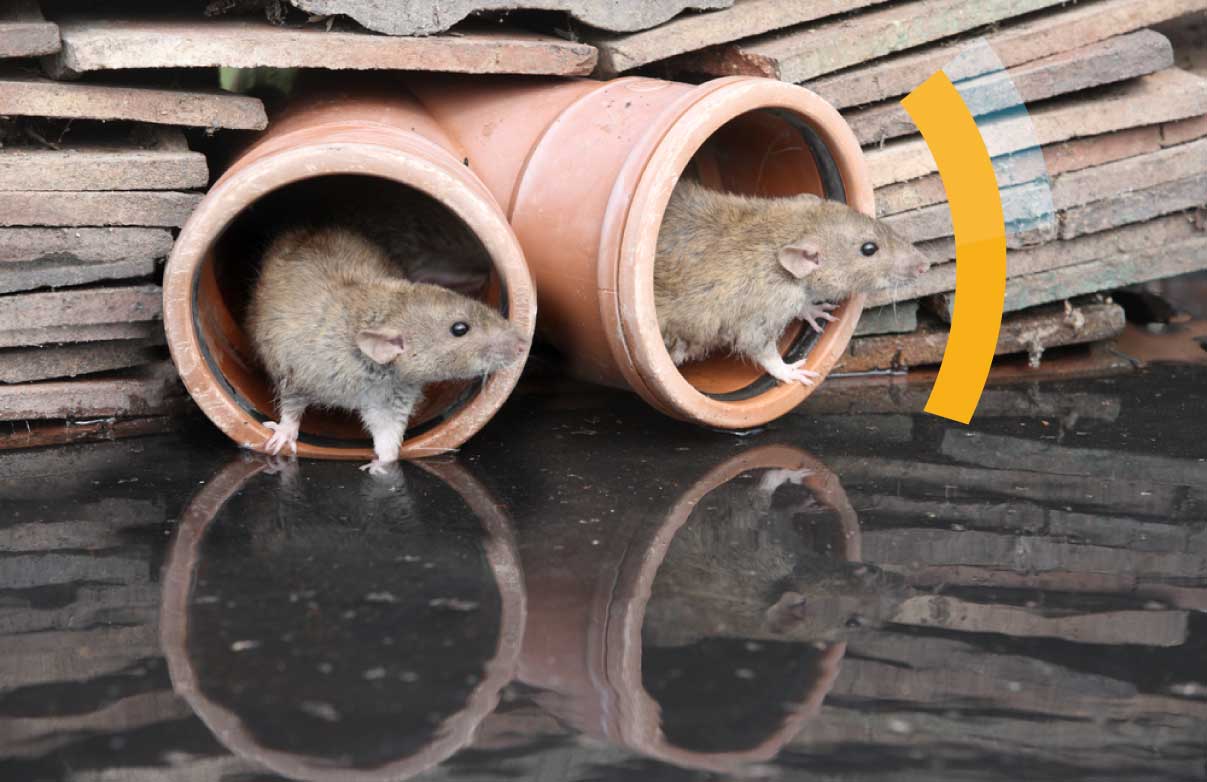
The Thai name “rokh chi nu” (โรคฉี่หนู) means “illness from rat urine”, and it has been everywhere online. The medical name is leptospirosis and it is a serious disease. Where it is common, outbreaks often follow heavy rain and floods, according to Dr. Gerard Lalande. During the 2011 floods, the germs were found in floodwater in the Bangkok area.
What to do next fits in six simple steps. The most important one is also the easiest to skip. Do not wait and see.
What is rat urine disease?
Leptospirosis is an illness caused by bacteria (germs) called Leptospira. According to Dr. Lalande, infected animals pass the germs in their urine, which gets into water and damp ground. In cities, rats are the main carriers, but dogs, pigs and cattle can carry it too. It is one of the common diseases in Thailand.
What to do after walking through floodwater
1. Stay out of the water when you can, and never go barefoot
People who often touch dirty water should avoid it as much as possible, and should not walk barefoot in puddles that may carry the germ. In floodwater, walk through it only when you must, and never with bare feet.
2. Keep it away from cuts, eyes, nose and mouth
Dr. Lalande explains that the germ enters through small cuts or broken skin, through the moist inside of the eyes and nose, or when a person swallows dirty water. So keep floodwater away from cuts, scratches and your face, and never swallow it.
3. Watch your health for a month
Signs usually start one to two weeks after the germ gets in, but can take anywhere from 2 to 30 days. Feeling fine a few days later is not proof that nothing happened. About 60% of all infections cause no clear signs.
Write down the date you were in the water, so you know when the 30 days end and can tell a doctor.
4. Know the early signs
Early signs can include fever, headache, weakness, chills, muscle pain, vomiting, diarrhoea and stomach pain. These can be mistaken for flu or dengue fever, and leptospirosis is often missed, even where it is common. Within a month of floodwater contact, treat them as a reason to act, not as “just the flu”.
5. Go to hospital quickly, and mention the floodwater
In Dr. Lalande’s words: “Any suspicion of leptospirosis requires rapid hospital transfer to carry out lab tests.” In other words, go quickly rather than wait at home. Doctors start treatment before test results come back, to prevent more serious problems. Find a medical facility near you before you need one.
Tell the doctor that you were in floodwater, and when. Because the illness looks like flu or dengue, this detail can help the doctor consider it sooner.
6. Do not relax if you start to feel better
This is the most misleading part of the illness. Dr. Lalande explains that about 1 in 10 people who get symptoms become severely ill, usually in two stages. First comes a flu-like illness, and the person seems to get better. A few days later, they become seriously ill again.
Get emergency care straight away for any of these danger signs:
- yellow skin or yellow whites of the eyes
- bleeding without an injury
- passing less urine than usual
- swollen legs and feet, or pain in the side
- an irregular heartbeat, or feeling dizzy
- a stiff neck or confusion
Why getting help quickly matters
When severe leptospirosis is treated too late or managed poorly, 5 to 20% of those cases end in lasting organ damage or death. With early and proper treatment, Dr. Lalande notes, the chance of getting better is good.
With health insurance in Thailand, the cost of a hospital visit does not have to be the reason to wait.
Source: “Leptospirosis”, in Diseases in the Asian Tropics by Dr. Gerard Lalande.